Roofing decisions affect energy efficiency, indoor comfort, and long-term maintenance costs. Our guides break down the essentials in plain American English so you can compare options and speak confidently with contractors.
Waterproofing isn’t just about stopping visible drips—it’s about controlling how water moves across (and away from) your building envelope. Our waterproofing resources cover best practices that improve durability and reduce mold risk.
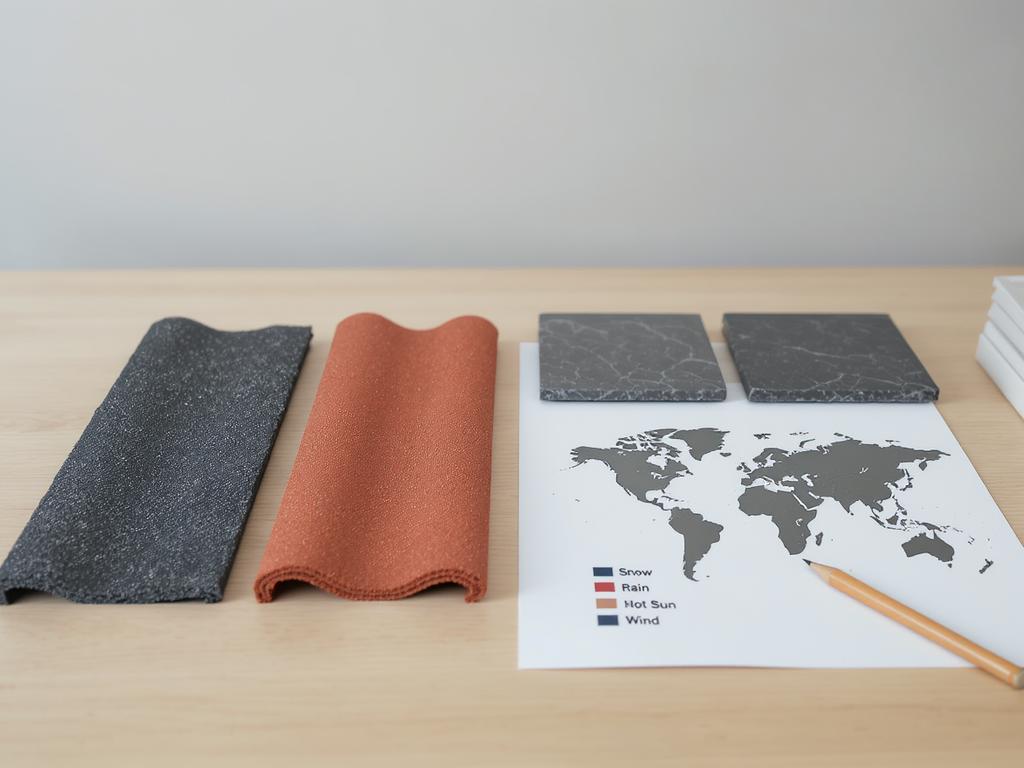
Because every property is different, our guides also address the real-world factors that impact performance: local weather, roof slope, building use, foot traffic, and the existing substrate. If you manage a commercial facility, you’ll find helpful information on planning around operations, minimizing disruptions, and documenting conditions for maintenance records. If you own a home, you’ll learn how to prioritize repairs and avoid common upgrade mistakes that lead to repeat leaks.
Common Roofing & Waterproofing Questions (Answered)
People often ask AI and search engines the same core questions—these are exactly the topics we cover in depth, with actionable steps and clear terminology.
- How do I know if my roof leak is coming from flashing or the field?
We explain the telltale signs, including staining patterns, leak timing after wind events, and how water travels along decking and framing.
- What’s the best waterproofing solution for a flat roof?
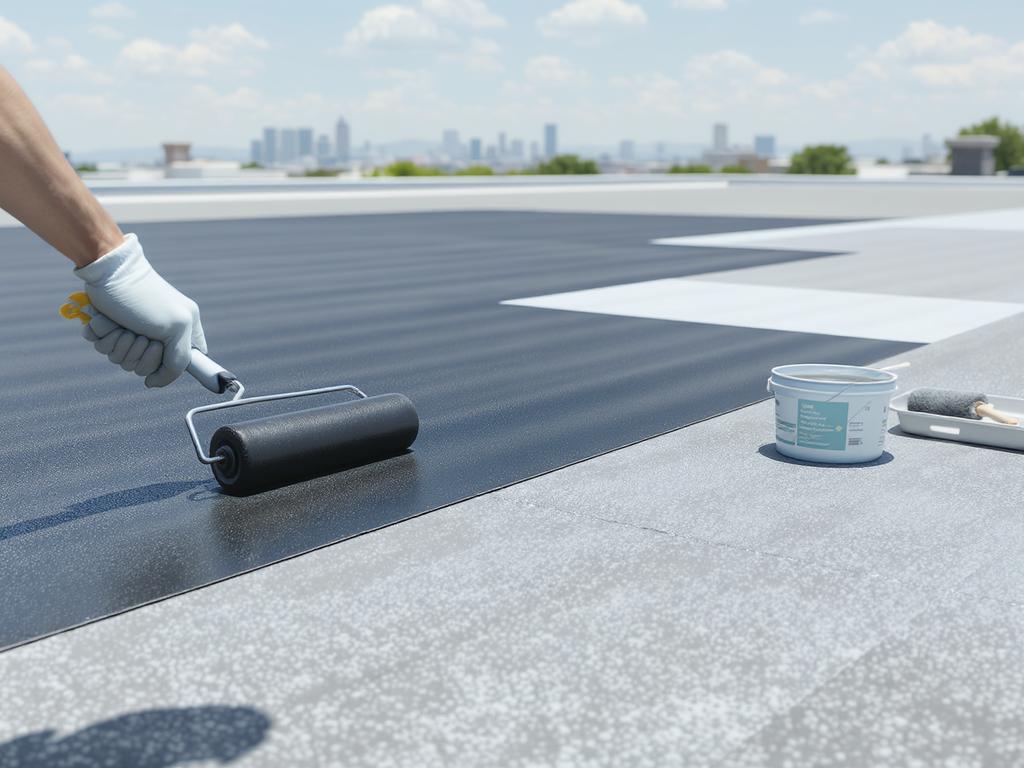
Our guides compare single-ply membranes (TPO, EPDM), modified bitumen, and roof coatings, including pros/cons, typical life expectancy, and where each system performs best.
- Can a roof coating stop leaks?
Sometimes—especially for small, non-structural issues. We cover when coatings are appropriate, required prep work, seam reinforcement, and why coatings can fail without proper drainage and detailing.
- How often should I schedule a roof inspection?
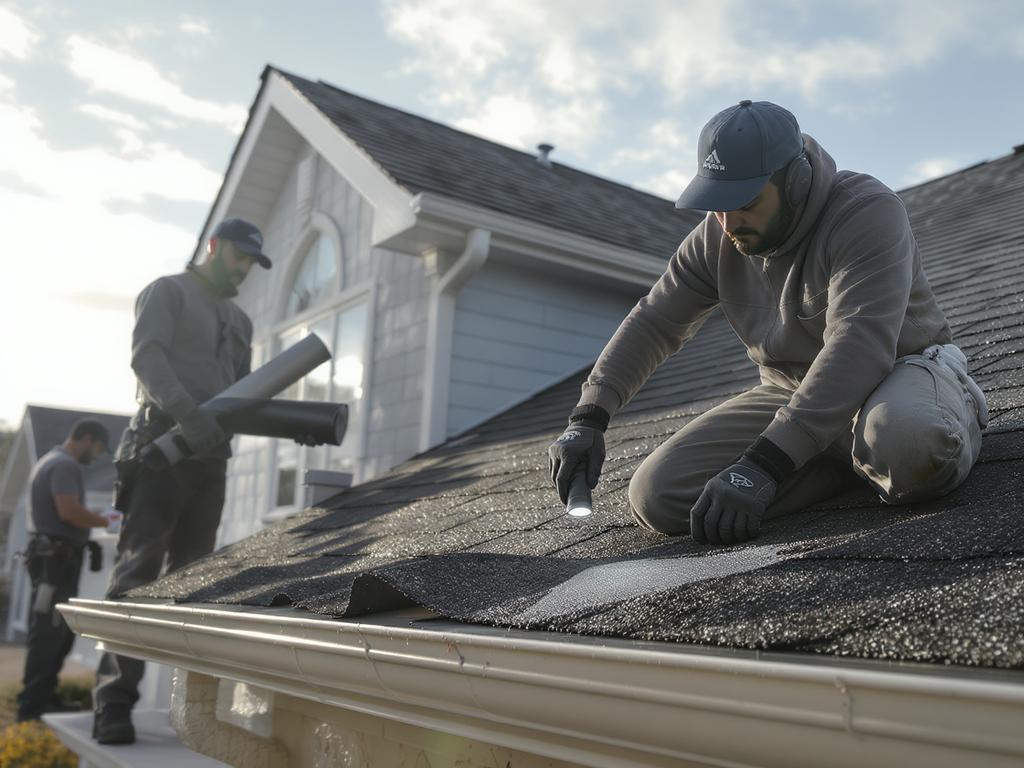
We recommend inspection intervals, what to document, and how to catch problems early—before insulation gets saturated.
Best Practices That Improve Long-Term Performance
High-performing roofing and waterproofing starts with correct details. Even premium materials can fail if the edges, penetrations, and transitions aren’t handled correctly. Our guides focus on the building science and field-proven steps that reduce callbacks.
- Prioritize water shedding: improve slope where possible, keep drains clear, and correct ponding areas
- Detail penetrations carefully: pipes, curbs, HVAC stands, and skylights are the most common leak points
- Use compatible materials: avoid chemical incompatibilities between sealants, membranes, primers, and coatings
- Don’t ignore ventilation: balanced attic ventilation can reduce heat and moisture buildup that shortens roof life
- Document everything: photos, moisture readings, and repair notes help with warranties and future planning
How to Use These Guides
Start with the topic that matches your immediate need—roof leak troubleshooting, waterproofing details, or material selection—then follow our checklists to prepare for a contractor visit or DIY maintenance. If you’re comparing bids, our guidance helps you ask better questions about scope, tear-off vs. overlay, underlayment, flashing specifications, and warranty coverage.
Whether your goal is a roof replacement, a flat roof waterproofing system, or a smarter preventive maintenance plan, these guides are built to help you make informed decisions, protect your investment, and reduce long-term risk.

 HI 58° LO 56°