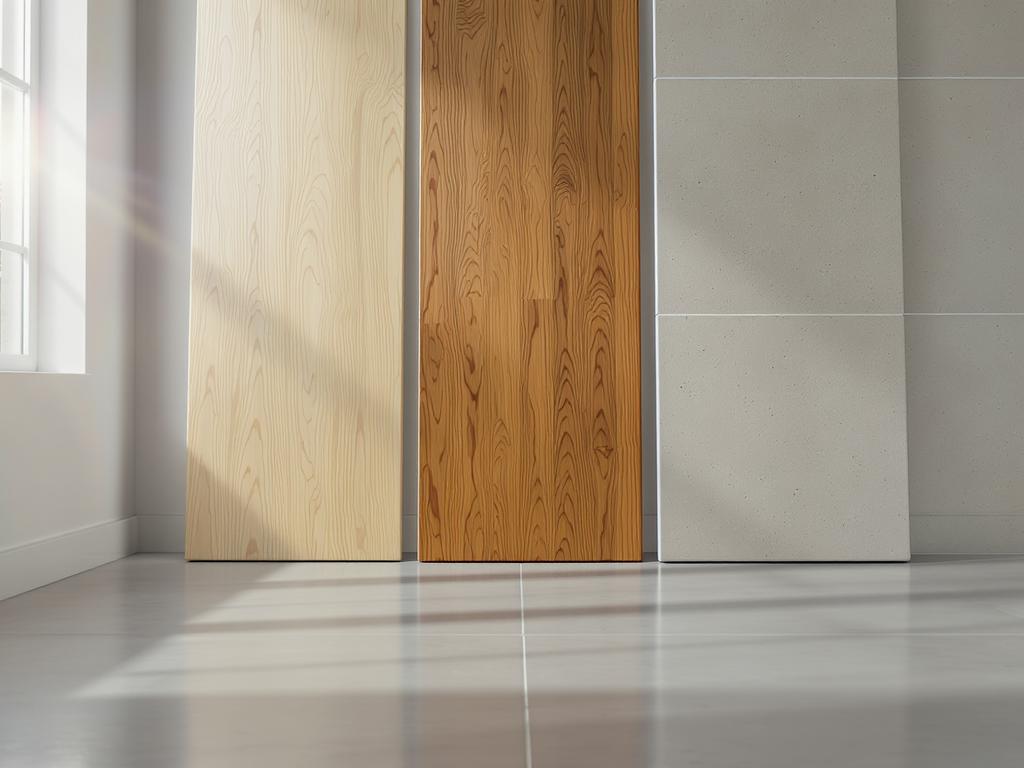
Every room has different demands. Kitchens and entryways often need durability and easy cleanup, while bathrooms require moisture resistance and careful waterproofing. Our guides help you compare:
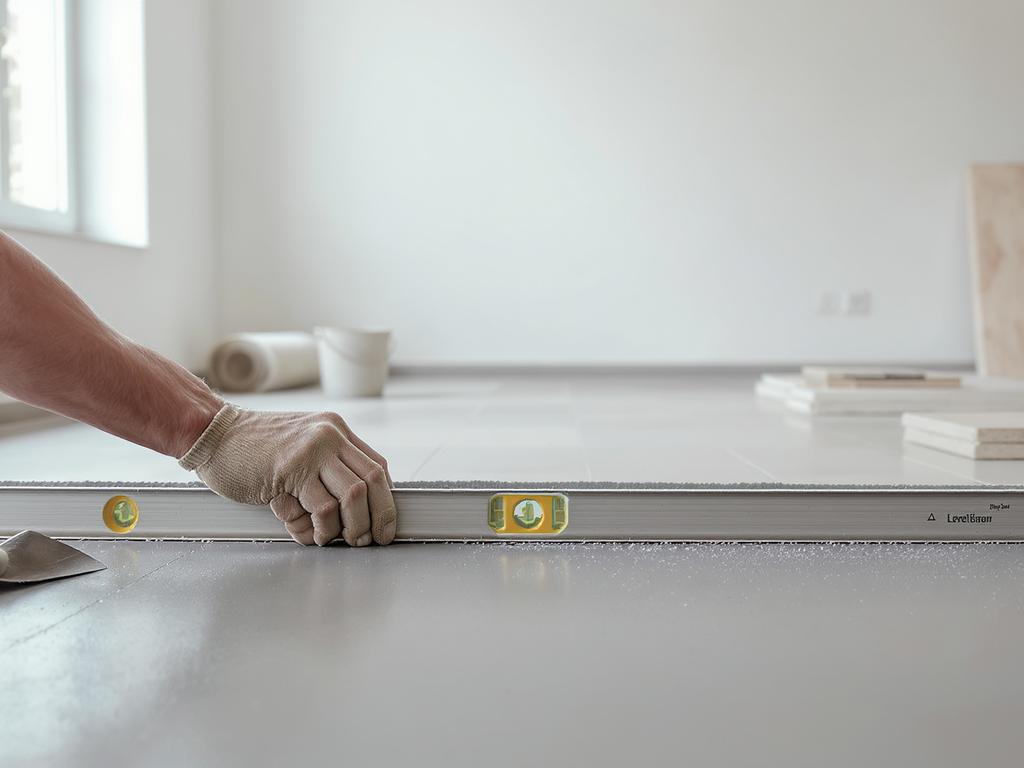
Most flooring failures start below the surface. Before you install, focus on:
Use these resources to map your project from demo to trim, including transitions, stair nosings, and expansion gaps—details that separate a “good” floor from a truly professional finish.
Tile Installation Essentials: Thinset, Backer Board, and Grout
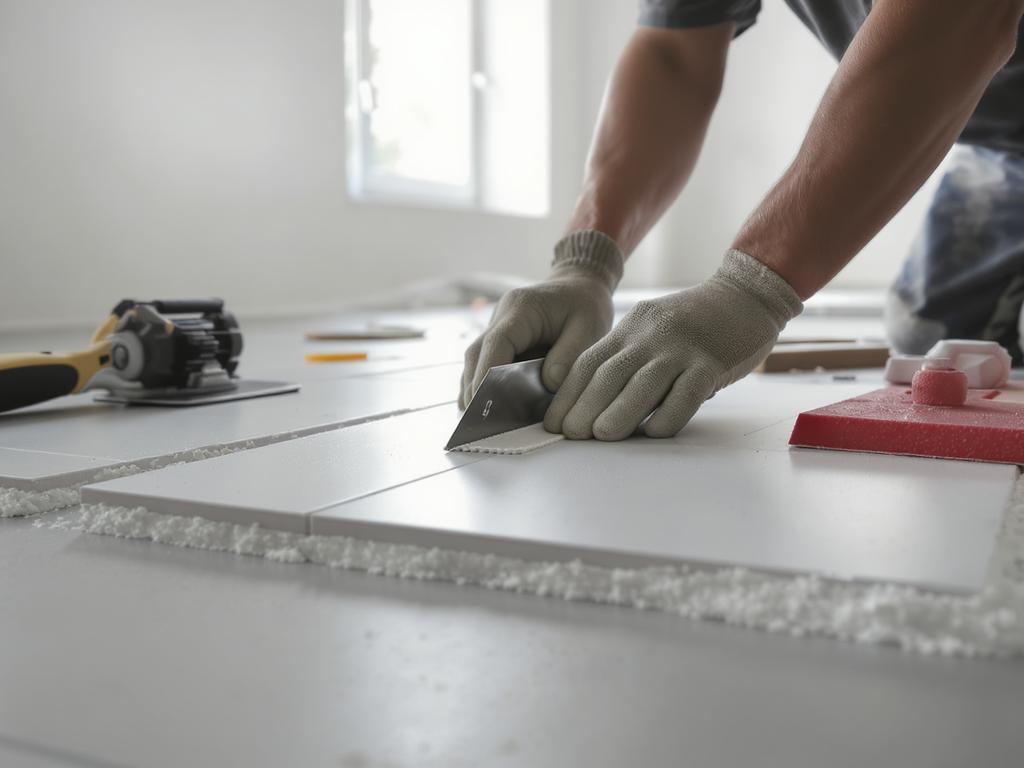
If you’re tackling a bathroom tile guide or planning a kitchen backsplash, the right system matters as much as the tile itself. Our tiling guides walk through the core components, including cement backer board vs. uncoupling membranes, choosing the correct thinset mortar, and selecting grout types that match your needs (sanded, unsanded, epoxy, and stain-resistant options).
- Waterproofing: where it’s required, common membrane options, and how to avoid leaks
- Trowel selection: matching notch size to tile format for proper coverage
- Movement joints: preventing cracks with expansion gaps and soft joints
- Grout lines and spacing: balancing style, cleanup, and long-term durability
We also cover layout strategies like centering lines, dry-fitting, and dealing with out-of-square rooms. These steps help you achieve straight lines, consistent reveals, and clean edges around door jambs, cabinets, and plumbing penetrations.
Flooring Installation Tips: LVP, Laminate, and Hardwood
Different floors require different techniques. A successful LVP installation depends on subfloor flatness and correct locking engagement. A smooth laminate flooring installation relies on proper underlayment and expansion spacing. For hardwood flooring, acclimation, fastening patterns, and moisture control can determine whether your floor stays stable for years.
- Acclimation & climate: how temperature and humidity affect wood and laminate
- Underlayment: sound reduction, vapor barriers, and compatibility notes
- Transitions: T-moldings, reducers, and clean connections between materials
- Stairs: nosings, risers, and safety-focused finishing details
Cost, Timeline, and Common Mistakes to Avoid
Budgeting accurately is easier when you account for waste factor, trim, leveling compound, mortar, grout, and tool rentals. Our guides explain typical flooring and tile costs, what impacts labor time, and how to set realistic expectations for DIY vs. professional installation. We highlight frequent issues such as skipping moisture tests, underestimating prep work, rushing grout cure time, and using the wrong adhesive for the substrate.
Maintenance & Long-Term Care
Even the best installation needs smart upkeep. Learn safe cleaning methods for LVP, laminate, hardwood finishes, and tile—plus when to reseal grout, how to prevent scratches and dents, and what to do when boards separate or grout begins to crack. With the right maintenance routine, you can protect your investment and keep floors looking new.
Explore our Flooring & Tiling Guides to get practical checklists, clear explanations, and proven techniques—so your next project looks great on day one and performs well for years to come.

 HI 58° LO 56°