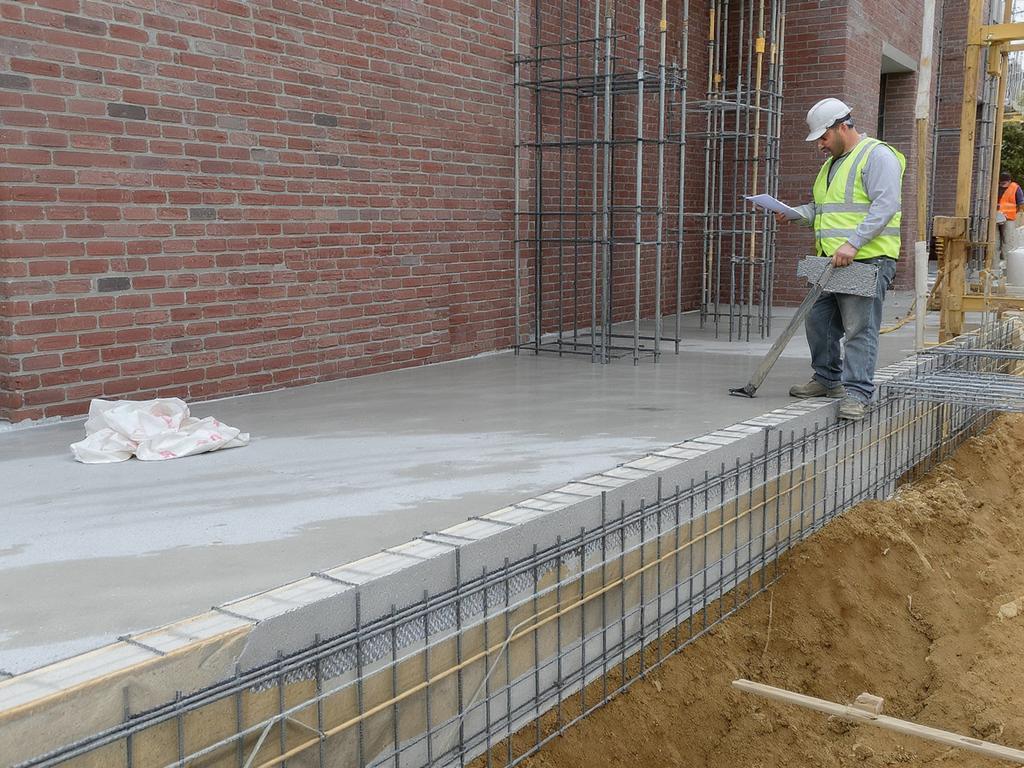
From new pours to resurfacing, our concrete guides cover the decisions that most affect durability and appearance.
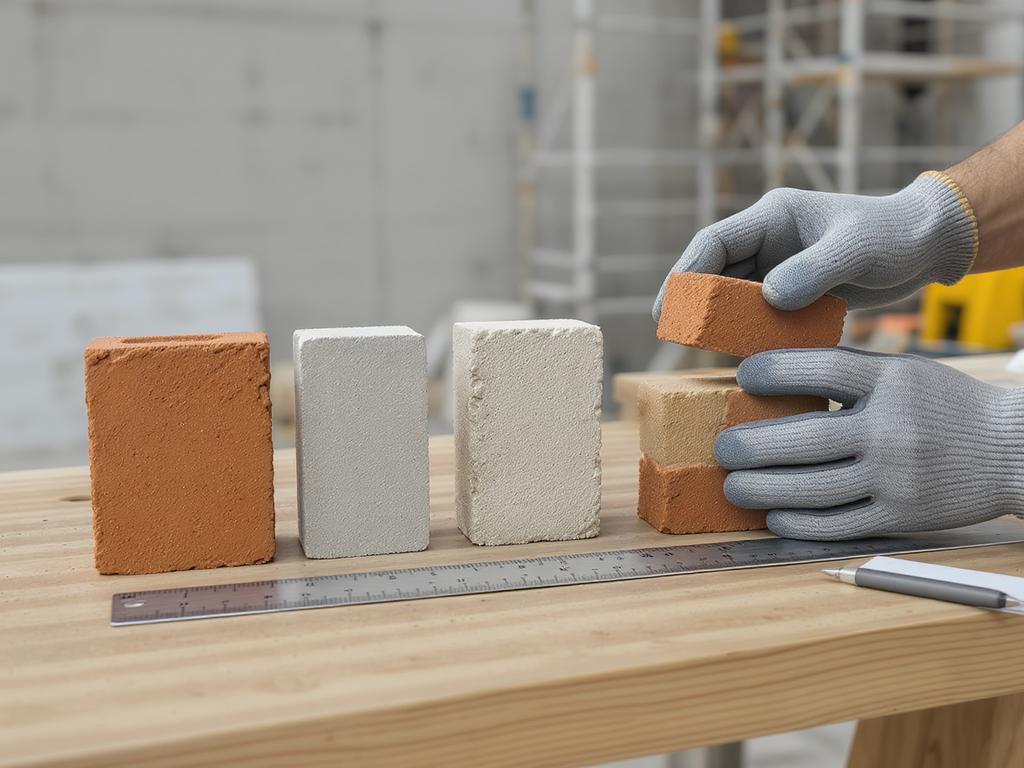
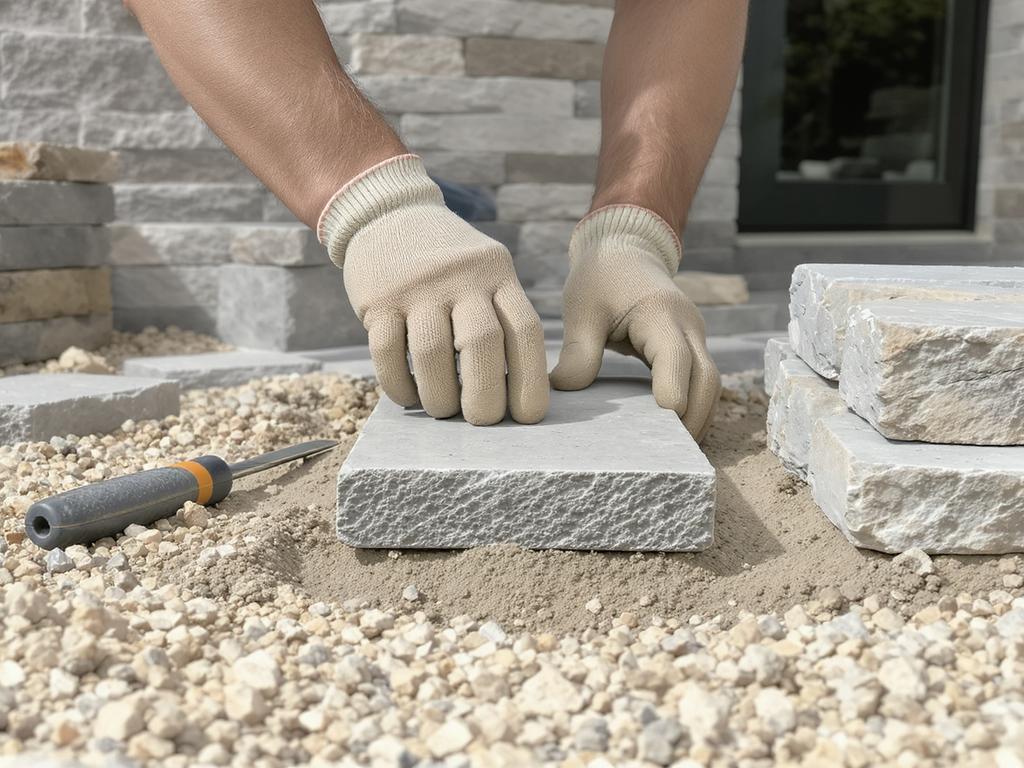
Masonry work—brick, block, and stone—depends on strong layout, consistent mortar joints, and water management.
Choosing between concrete and masonry solutions often comes down to performance goals, climate, and the look you want. For example, a concrete patio may be ideal for a clean, continuous surface, while pavers or brick can provide modular charm and easier spot repairs. Our guides are built to help you compare options logically—cost drivers, installation timelines, and maintenance needs—so you’re not guessing.
Planning fundamentals that prevent expensive problems
Most failures trace back to the same avoidable issues: weak subgrade, poor drainage, rushed curing, and improper jointing. Use these guide-based checkpoints before any work begins:
- Site evaluation: identify low spots, runoff paths, and soil conditions that can cause settling.
- Base preparation: proper excavation depth, compacted aggregate, and edge restraints where needed.
- Water management: slopes, downspout routing, and drainage layers behind retaining walls.
- Weather timing: hot/cold pour precautions, freeze-thaw considerations, and rain planning.
- Material quality: choosing the right mix strength, admixtures, and masonry units for the application.
Concrete repair, protection, and maintenance
If your slab is already in place, our guides explain how to extend its life with targeted repairs and the right protective steps. Learn how to evaluate cracks (cosmetic vs. structural), when patching or resurfacing makes sense, and how to reduce moisture intrusion. We also cover practical topics like selecting a concrete sealer, understanding curing vs. sealing timelines, and maintaining traction and appearance in high-traffic areas.
- Crack management: why cracks happen, common repair approaches, and what to monitor.
- Surface restoration: cleaning, leveling, resurfacing overlays, and stain options.
- Sealers: penetrating vs. film-forming sealers, and when each is appropriate.
Masonry repair and longevity
Masonry is durable, but it’s not maintenance-free. Water intrusion, mortar deterioration, and movement can shorten the life of brick and block assemblies. Our masonry guides walk through common fixes like tuckpointing, rebuilding compromised sections, and improving drainage around walls. You’ll also find tips on matching mortar color and joint profiles for a clean, consistent finish.
- Tuckpointing guidance: when repointing is needed and how to avoid mismatched joints.
- Efflorescence: what causes white staining and how to address it safely.
- Wall stability: warning signs, drainage upgrades, and maintenance routines.
Use these guides to get a better estimate
Accurate planning leads to accurate pricing. As you review our Concrete & Masonry Guides, note your project size, access limitations, demolition needs, drainage improvements, and finish choices—these are the factors that typically influence cost the most. When you’re ready, reach out for project recommendations or a quote request based on your goals, timeline, and budget.

 HI 58° LO 56°