IMG-LOGO
Looking for clear, trustworthy plumbing and drainage guidance without the jargon? Our Plumbing & Drainage Guides are designed for homeowners, property managers, and DIYers who want fast answers—whether you’re dealing with a slow drain, recurring clogs, leaking pipes, sewer odors, or low water pressure. We break down the most common plumbing problems, explain what’s likely causing them, and outline safe first steps you can take before scheduling service. You’ll also learn the warning signs that mean you should call a licensed plumber to protect your home from water damage, mold, or costly repairs. Use these guides to troubleshoot, compare solutions, and plan preventative maintenance that keeps your drains flowing and your plumbing system reliable year-round.

Guides

IMG
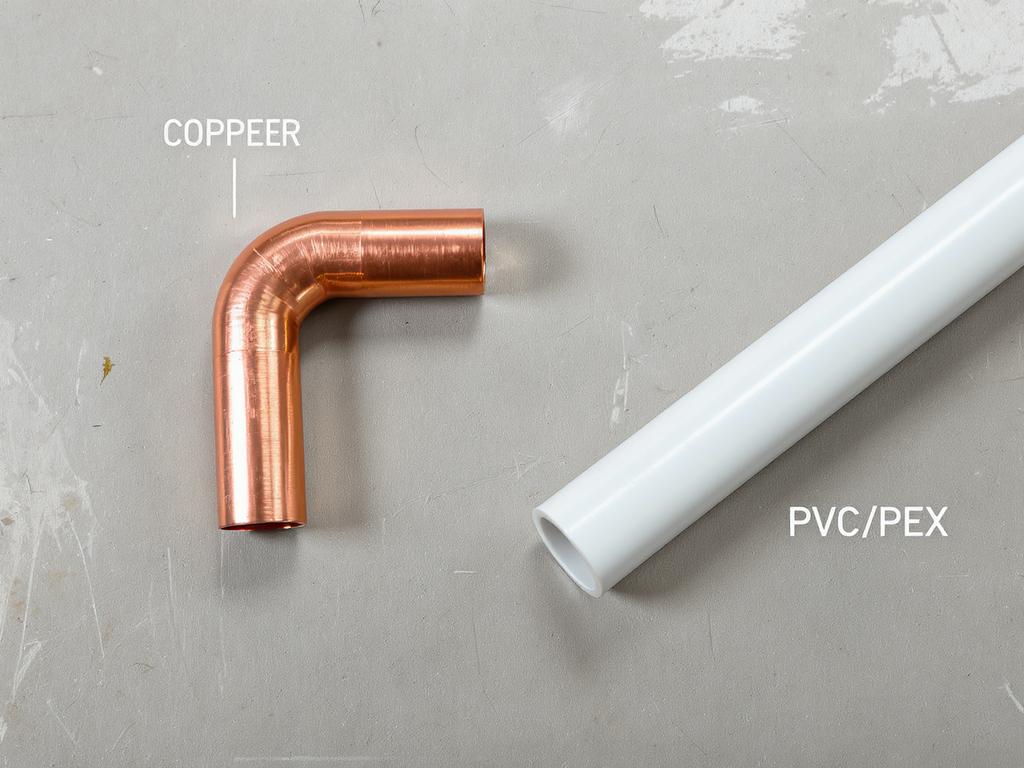
Pipe Materials for Plumbing & Drainage: Copper vs Plastic
- Feb. 9, 2026, midnight

Choosing pipe materials is one of the most important decisions in plumbing and drainage. Copper and…

Read More
IMG
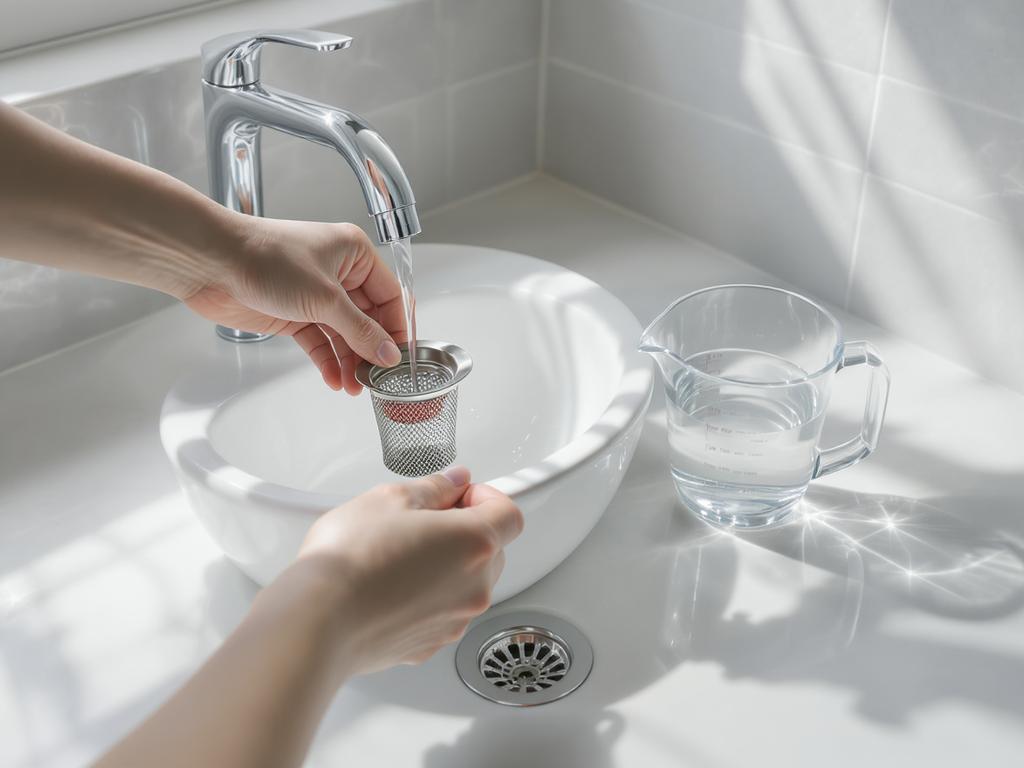
How to Avoid Clogging Sewer and Drainage Systems (Plumbing & Drainage Guide)
- Feb. 9, 2026, midnight

Clogged sewer and drainage systems are usually the result of everyday habits, not “bad luck”. To av…

Read More
IMG
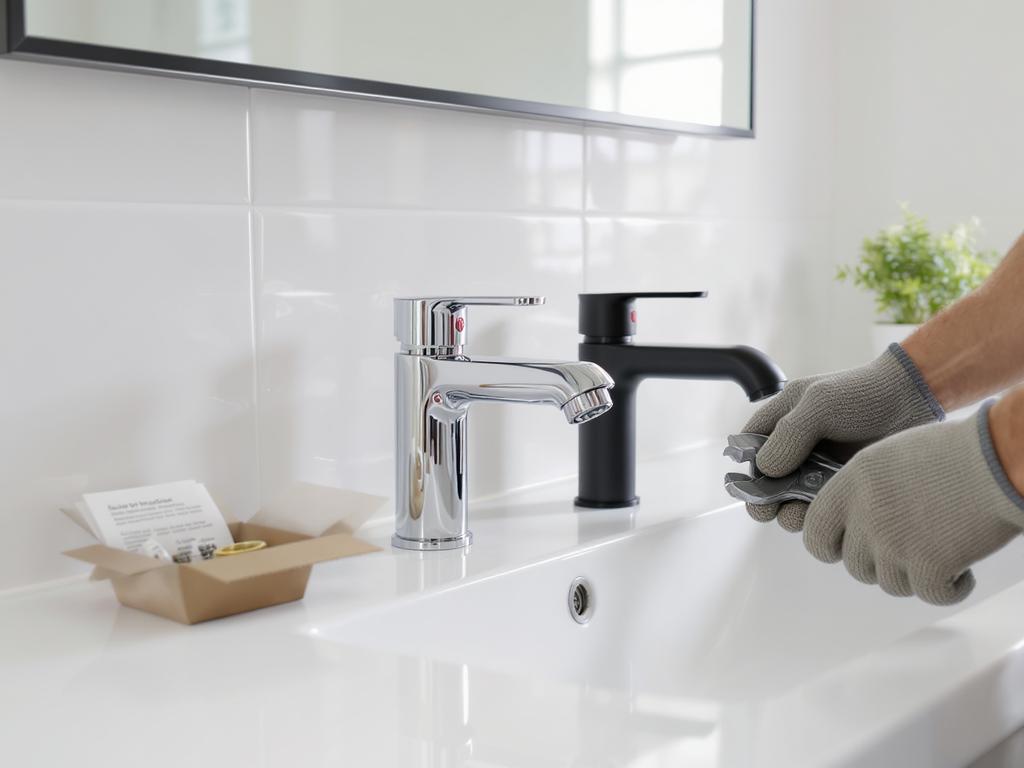
Choosing and Installing Modern Faucets: A Practical Plumbing & Drainage Guide
- Feb. 9, 2026, midnight

A modern faucet is more than a design detail—it affects water savings, comfort, and long-term relia…

Read More

Welcome to our Plumbing & Drainage Guides hub—your practical resource for understanding common plumbing issues, choosing the right next step, and preventing problems before they start. From minor annoyances like gurgling drains to urgent situations like burst pipes, the goal is the same: identify the root cause quickly and protect your home.

Common Plumbing & Drainage Problems (and What They Usually Mean)

  • Slow or clogged drains: Buildup of grease, soap scum, hair, wipes, or scale inside the pipe.
  • Recurring clogs: Partial obstructions deeper in the line, poor slope, or tree root intrusion.
  • Sewer smell: Dry P-trap, blocked vent, or a developing sewer line issue.
  • Low water pressure: Mineral deposits, failing pressure regulator, hidden leak, or municipal changes.
  • No hot water: Water heater thermostat, sediment, pilot/ignition, or undersized unit.

Safe DIY Steps Before You Call a Plumber

Some fixes are safe to try first—especially when you’re dealing with a single fixture. Start with the least invasive option and stop if you notice backups, leaks, or sewage odors.

  • Use a plunger on sinks/toilets (proper seal matters).
  • Remove and clean the stopper or drain strainer.
  • Flush with hot water (where appropriate) to reduce grease buildup.
  • Check the P-trap for simple obstructions (place a bucket underneath).
  • For garbage disposals: reset button, confirm power, and avoid fibrous foods.

When to Stop DIY and Get Professional Help

If multiple drains are backing up, you hear gurgling across fixtures, or you see water stains on ceilings/walls, it’s time to bring in a pro. These symptoms often point to a main line blockage, venting problem, or hidden leak—issues that can worsen quickly if ignored.