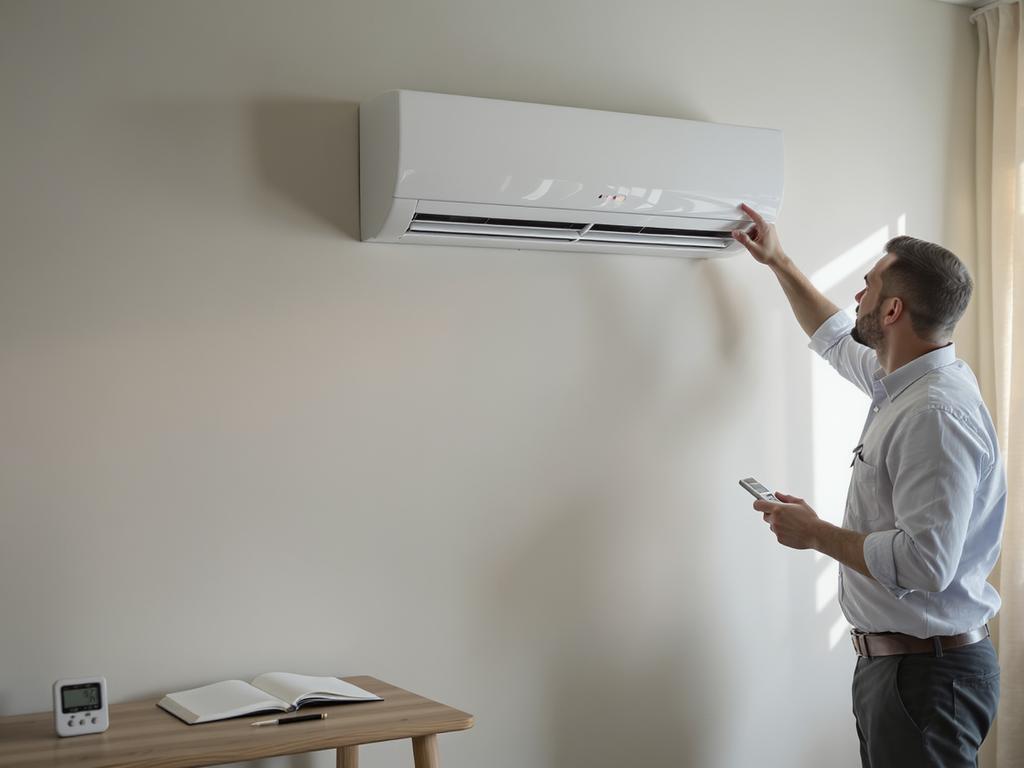
Welcome to our HVAC & air conditioning guides—built for people who want reliable answers fast. Whether you’re searching “why is my AC not cooling?” or planning a seasonal tune-up, these resources help you understand the most common issues, what you can safely check yourself, and when it’s time to bring in a licensed technician.
Looking for more detailed, how-to instructions and decision guides? Continue below for deeper troubleshooting, efficiency upgrades, and buying tips.
Troubleshooting Guide: What to Check Before You Call
If your air conditioner is running but the house isn’t getting cooler, start with the basics. Many comfort problems come from airflow and control settings—not major component failures.
- Thermostat settings: Verify it’s set to Cool, with a setpoint below room temperature. Replace batteries if the display is dim or unresponsive.
- Air filter: A clogged filter can reduce airflow, cause uneven cooling, and contribute to coil icing. If it looks gray or dusty, replace it.
- Outdoor unit: Make sure it’s powered on (breaker not tripped) and the coil isn’t blocked by leaves, grass, or fencing.
- Return air: Check that return grilles are open and not obstructed. Poor return airflow can lead to short cycling and freezing.
- Condensate drain: In humid climates, a clogged drain line may trigger a safety switch that stops cooling.
Why Your AC Freezes Up (and How to Prevent It)
Ice on refrigerant lines or the indoor coil usually points to low airflow or refrigerant-related issues. Turn the system off and allow it to thaw, then check the filter and vents. If freezing repeats, a professional evaluation may be needed to inspect blower performance, coil cleanliness, and refrigerant charge.
Energy-Saving HVAC Tips That Actually Work
Efficiency improvements don’t have to be complicated. Small changes can cut energy waste and improve comfort:
- Use smart thermostat schedules: Set modest setbacks when you’re away, then recover gradually.
- Seal and balance airflow: Leaky ducts and imbalanced rooms force longer runtimes and create hot/cold spots.
- Keep coils clean: Dirty indoor/outdoor coils reduce heat transfer and increase operating cost.
- Manage humidity: Proper humidity control can make higher setpoints feel comfortable while saving energy.
Buying Guide: Choosing the Right HVAC System
If you’re planning a replacement, focus on more than just SEER ratings. Proper sizing (Manual J load calculation), duct condition, and installation quality often matter as much as the equipment brand. Consider your climate, insulation levels, and how you use the space (work-from-home schedules, zoned rooms, after-hours operation).
- Right-size the system: Oversized units can short cycle, reduce dehumidification, and wear out faster.
- Consider heat pumps: In many U.S. regions, modern heat pumps provide efficient heating and cooling.
- Prioritize airflow: Duct improvements and blower performance can unlock real-world efficiency.
- Plan maintenance: Routine service helps protect comfort and extend system life.
When to Call a Licensed HVAC Professional
DIY checks are helpful, but some problems require trained diagnostics and safe handling. Contact a pro if you notice burning smells, repeated breaker trips, refrigerant leaks, persistent icing, or severe airflow loss. Professional service can identify root causes, prevent repeat failures, and restore reliable cooling.
Browse our HVAC & air conditioning guides anytime you need troubleshooting steps, seasonal maintenance advice, or practical ways to improve comfort and reduce energy costs. Our goal is simple: help you make smarter HVAC decisions with clear information you can trust.

 HI 58° LO 56°