
News - Matt Damon Criticizes Netflix's Influence on Modern Filmmaking
Business Strategy
Matt Damon Criticizes Netflix's Influence on Modern Filmmaking
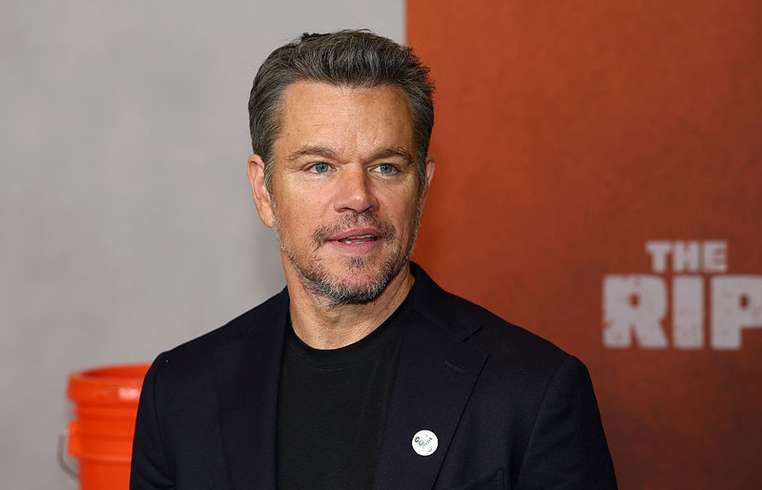
Matt Damon, a renowned Hollywood actor and Academy Award-winning screenwriter, has recently voiced concerns over Netflix's influence on the art of filmmaking. In an engaging conversation with Joe Rogan on his popular podcast, Damon opened up about the significant impact that home-viewing habits have had on how films are created in the streaming era. Damon, best known for his critical work in films like 'Good Will Hunting,' drew a stark comparison between the focused communal experience of watching movies in theaters and the often distracted environment of home viewing. He refers to the cinema as akin to a sacred space, where audiences are fully immersed and attentive. The actor brought attention to how these new viewing habits have prompted platforms like Netflix to push for significant changes in the storytelling structure of films. Traditionally, action movies would build suspense over three acts, culminating in a climactic finale. However, Damon points out that Netflix now urges for impactful scenes right from the first few minutes to capture viewing audiences quickly—a strategy that reflects the attention span of folks who often multitask with their phones during films. Damon shared that Netflix often suggests reiterating plot lines as an audience retention strategy, considering that the modern viewer might be missing critical dialogue due to distractions. These adjustments, he claims, can simplify narratives, diminishing the depth and complexity traditionally celebrated in cinematic storytelling. The broader film industry has undergone profound shifts due to the proliferation of streaming services like Netflix, Amazon Prime Video, Disney+, and HBO Max. These platforms have not only altered how content is delivered and consumed but have also contributed to a decline in traditional cinema attendance, an issue exacerbated during the COVID-19 pandemic when theaters shut down, pushing more users to streaming services and solidifying binge-watching as a widespread habit. As discussions about the future of cinema continue, Damon’s observations highlight the ongoing challenge filmmakers face in maintaining artistic integrity while adapting to evolving viewer habits and industry demands driven by digital consumption trends.
About usyoo

Categories
Tags