
News - U.S. Strategic Bitcoin Reserve: A Promise Yet to be Fulfilled
Business Strategy
U.S. Strategic Bitcoin Reserve: A Promise Yet to be Fulfilled
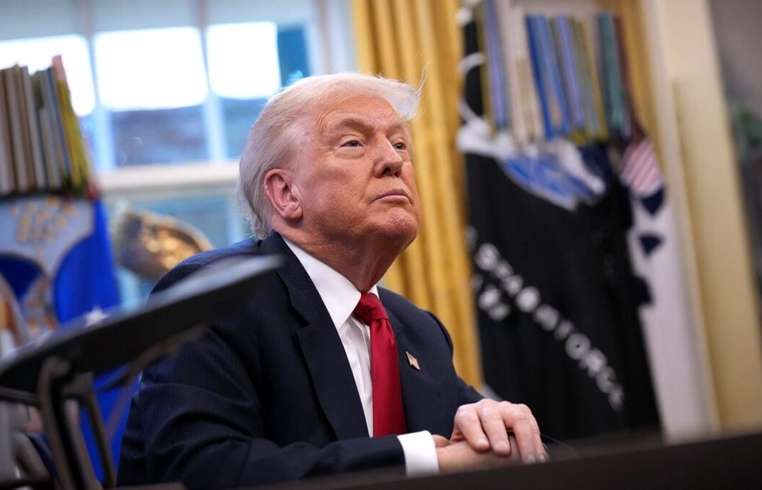
In the bustling atmosphere of the Bitcoin 2024 conference in Nashville, Tennessee, former presidential candidate Donald Trump introduced his plan to create a U.S. strategic bitcoin reserve. This ambitious vision reflects the nation's historical practice of relying on gold reserves. Energized by his 2024 campaign goals, Trump promised his supporters that his victory would establish the U.S. as the world’s crypto capital. Once in office, Trump issued an executive order concerning cryptocurrency policies, leading efforts to create a digital asset stockpile that includes bitcoin and other cryptocurrencies. However, more than a year after this directive, the establishment of a concrete bitcoin reserve remains out of reach, overshadowed by a lack of governmental transparency in 2025. This strategic reserve, which is intended to be initially filled with bitcoin that has been legally seized, is still a primary focus, according to Patrick Witt, Executive Director of the President’s Council of Advisors for Digital Assets. Continuing to support this vision, Witt discussed in a 'Crypto in America' interview that the bitcoin reserve is still a priority on the Trump administration’s agenda. Even as centralized crypto regulations are prioritized, with efforts directed at the GENIUS Act's stablecoin regulation, and amidst controversies involving Trump’s own business operations and accusations of favoritism, the future of the strategic bitcoin reserve is a subject of intense discussion. While federal progress has slowed, individual states are moving rapidly ahead. Arizona, New Hampshire, and particularly Texas, have enacted laws to establish their own bitcoin reserves. Texas stands out for having already initiated bitcoin purchases. Other states such as Florida and West Virginia are progressing with legislation, highlighting an increasing commitment to bitcoin as a strategic financial reserve asset. These state-level efforts highlight a growing recognition of bitcoin's value, reflecting a global trend seen in countries like El Salvador and Bhutan, which have incorporated digital assets into their reserves. Meanwhile, large financial entities like Morgan Stanley are exploring bitcoin ETFs, inspired by Blackrock’s successful ventures, which further demonstrates bitcoin’s expanding influence across various institutions, including state pension funds and major university endowments such as Harvard’s.
About usyoo

Categories
Tags