
News - Venezuela at the Crossroads: The Aftermath of Maduro's Capture
Business Strategy
Venezuela at the Crossroads: The Aftermath of Maduro's Capture
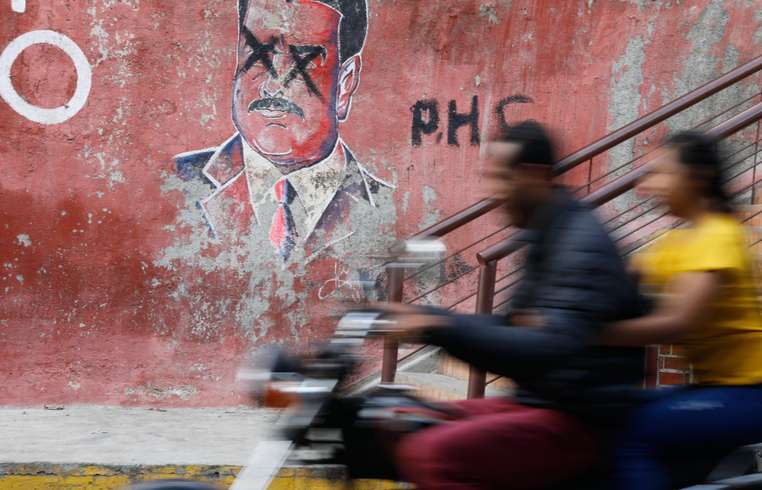
Venezuela stood on edge as Mariana Zúñiga, a dedicated journalist based in Caracas, was jolted awake by the booming sound of explosions and the ominous drone of military aircraft piercing the night sky. Her phone buzzed incessantly, filling her screen with the breaking news—Nicolás Maduro, the long-standing and controversial leader of Venezuela, had been apprehended by United States forces. Balancing on the precipice between relief and apprehension, Zúñiga ventured into the heart of Caracas to uncover the sentiments of a nation disrupted by significant political upheaval. Despite inherent risks, she committed to documenting firsthand accounts of this pivotal time. The political landscape in Venezuela has been swept into a whirlwind, affecting its civilians and those aligning with the opposition abroad. Freddy Guevara, a notable figure in the Venezuelan opposition now residing in exile in the United States, reflects an air of skepticism about the newly transitioning leadership back home. 'This new government exhibits an alarming tendency toward extremism,' Guevara articulates, casting doubts on the maturity and strategic wisdom of those stepping into the power vacuum. In a broader historical context, Alejandro Velasco, a historian specializing in Latin American affairs, delves into the relationship between Venezuela’s rich oil reserves and its fluctuating diplomatic ties with the US. He underscores the pivotal role that these natural resources have played not just in the country's economy but also in shaping its hardest political decisions. The story intricately weaves the perspectives of those who have firsthand experiences of a nation in turmoil, deliberating on its destiny amid layered uncertainties. Venezuelans, within their borders and spread across the globe, observe with bated breath, fearing both the dangers and the opportunities that lie ahead.
About usyoo

Categories
Tags