
News - Federal funding reinstated for critical addiction programs.
Business Strategy
Federal funding reinstated for critical addiction programs.
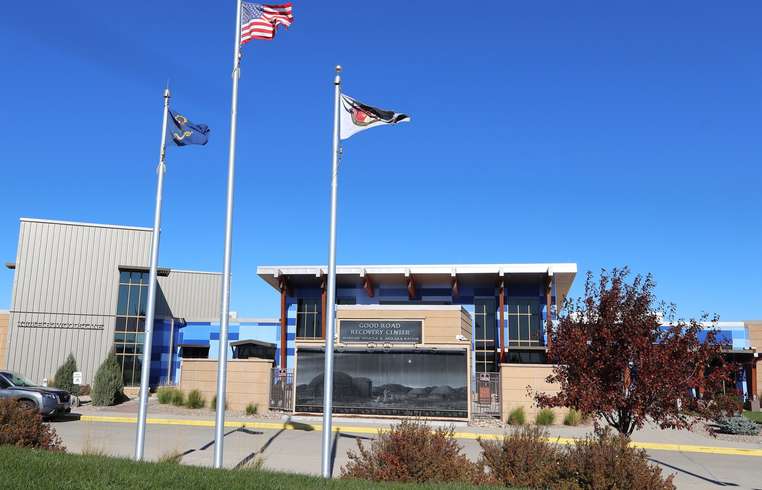
In a sudden policy reversal, the Trump Administration has reinstated up to $2 billion in federal grants crucial for addiction and mental health treatment across the nation. This decision comes after initial termination letters had caused widespread concern among nonprofits and state officials working on the frontline of addiction recovery. These cuts, had they been implemented, threatened the availability of life-saving resources such as Narcan, used for reversing overdoses, and peer support services which have been vital in reducing overdose deaths and breaking cycles of addiction and housing insecurity. The Substance Abuse and Mental Health Services Administration (SAMHSA), responsible for issuing the initial termination notices, has remained silent on the matter since the reversal. Wisconsin houses 30 of these SAMHSA-funded programs across cities including Appleton, Beloit, Eau Claire, Fond Du Lac, Green Bay, Madison, Milwaukee, and Oshkosh. These programs, exemplified by the Vin Baker Recovery initiative associated with Milwaukee Bucks figures, have voiced the importance of these funds in maintaining their critical services. Officials, such as Milwaukee County Executive David Crowley, have expressed relief but remain vigilant. Crowley had previously condemned the potential cuts, emphasizing their threats not only in financial terms but as risks to community well-being. Milwaukee County set to lose significant funds, now looks towards sustained federal support to continue delivering results for vulnerable citizens. Concerns remain, especially among Native American communities, who are disproportionately impacted by overdose deaths in Wisconsin. While termination letters haven’t reached groups like the Bad River Band of Lake Superior Chippewa and the Menominee Indian Tribe, there's anxiety about future funding stability. Elizabeth Goodsitt, representing Wisconsin’s Department of Health Services, noted that a key grant aiding opioid overdose prevention had been initially terminated, underscoring the program's lifesaving impact in training first responders and distributing naloxone. The recent developments highlight ongoing uncertainties but reaffirm the commitment of health officials to uphold mental health and substance use disorder services. State and local bodies vow to ensure compliance with federal agreements and support needed for Wisconsin communities. This unfolding situation underscores the delicate reliance of vital public health services on federal funding and administrative decisions.
About usyoo

Categories
Tags