
News - Schumer Outlines Strategy for Senate Control
Business Strategy
Schumer Outlines Strategy for Senate Control
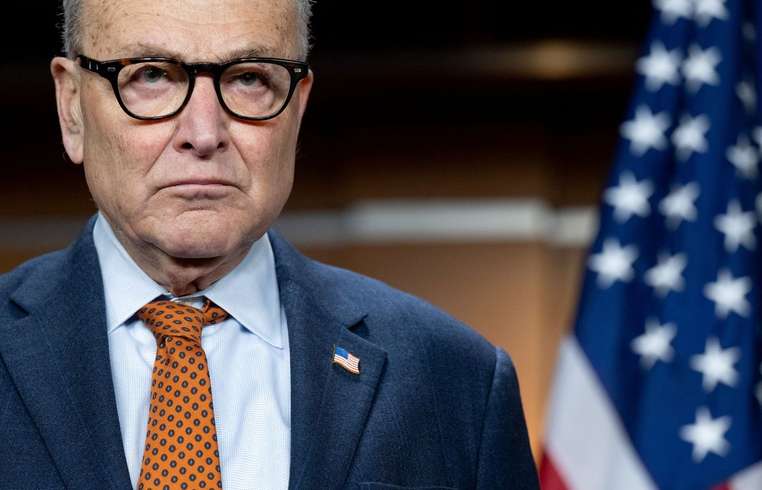
In a concerted effort to regain Senate control, Senator Chuck Schumer articulated a robust strategy targeting key Republican-held seats in North Carolina, Maine, Ohio, and Alaska. These pivotal races form the cornerstone of the Democratic campaign to flip at least four GOP-held seats and maintain their hold on pivotal states like Georgia, where Senator Jon Ossoff's seat must be defended. Schumer, speaking in Washington, highlighted the necessity of recruiting strong candidates like former North Carolina Governor Roy Cooper and Maine Governor Janet Mills to broaden Democratic influence. He emphasized the stakes of the Senate battle, particularly in averting potential conservative Supreme Court nominations that a Republican majority could facilitate. Presenting his strategy as a patriotic duty, Schumer appealed to these recruits to prevent a judiciary shift and safeguard democratic principles. The opposition, led by Joanna Rodriguez of the National Republican Senatorial Committee, critiques the Democratic landscape as fraught with outdated and misaligned candidates. Yet, Schumer remains undeterred, even as he faces internal party challenges. Maine's primary race, for instance, pits progressive Graham Platner against endorsed Governor Mills, reflecting broader ideological tensions within the party. Schumer's approach involves a nuanced, state-specific strategy designed to appeal to local electorates while aligning with national Democratic goals. He pointed out the party's capacity to enact significant legislation, highlighting the latter stages of the Trump administration when Democratic Senate strengths yielded pandemic relief outcomes. Between electoral motivations and policy priorities, Schumer treads carefully around contentious issues like ICE, reflecting a broader Democratic shift seen previously in "abolish ICE" movements. While refraining from detailed impeachment speculations, he noted the party's readiness to scrutinize Trump administration officials should control be regained. Ultimately, Schumer's vision is rooted in leveraging diverse Democratic voices to achieve legislative gains and check potential executive overreach, with a clear-eyed focus on the November elections.
About usyoo

Categories
Tags