
News - French diplomat freed in Russia-France prisoner exchange
Business Strategy
French diplomat freed in Russia-France prisoner exchange
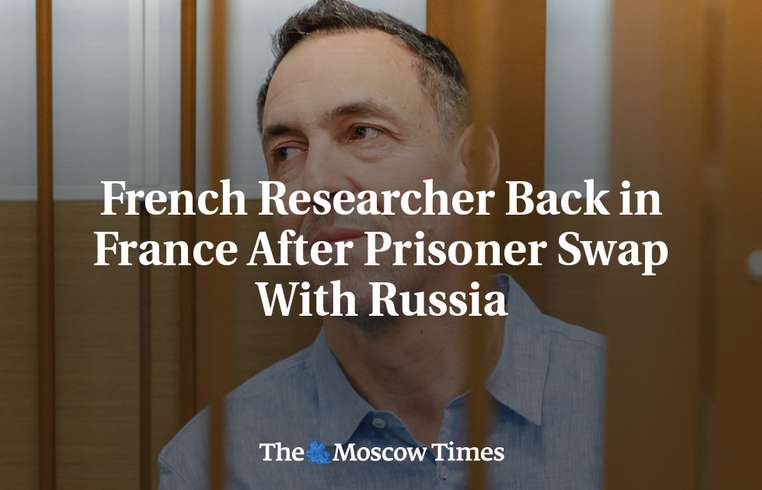
Following a complicated prisoner swap between Moscow and Paris, Laurent Vinatier—a French expert on Russian and post-Soviet affairs—has returned safely to France. The move is seen as a critical step in ongoing diplomatic tensions between France and Russia, fueled by the ongoing conflict in Ukraine and allegations of espionage and cybercrime against each other’s nationals. French President Emmanuel Macron has previously voiced the need for an open dialogue with Russian President Vladimir Putin, especially regarding an end to the conflict in Ukraine. While French diplomatic circles remained tight-lipped about immediate bilateral discussions, Macron’s position emphasizes Europe’s broader interest in resolving the standoff. The swap included the release of Anatoly Kasatkin, a Russian national detained in Paris last year at the U.S.'s request. Kasatkin faced allegations of participation in a ransomware cyber ring—charges he consistently denied. His return was publicized by Russian media, showing him welcomed by Russian officials upon arrival. Vinatier, whose academic expertise contributed to his role at the Centre for Humanitarian Dialogue, was arrested while undertaking conflict mediation efforts in Ukraine. His unexpected incarceration became emblematic of Russia’s alleged retaliatory practice of arresting foreign nationals to leverage alleged Russian agents’ release. His return brings significant relief to his family and colleagues, who have closely monitored his legal situation. Reflecting on the ordeal, Vinatier shared his eagerness to resume his peace-focused professional pursuits, while his family expressed deep gratitude for his safe return coinciding with Orthodox Christmas celebrations—a poignant reminder of resilience and hope amidst geopolitical turbulence. Despite this diplomatic gesture, relations between France and Russia remain fraught due to divergent perspectives on Ukraine’s sovereignty and control. Both countries continue to navigate the tension, with international observers reminding all involved of the critical importance of diplomatic dialogue in achieving long-term peace and stability.
About usyoo

Categories
Tags