
News - Global Power Shifts at Play: Key Geopolitical Challenges of 2026
Business Strategy
Global Power Shifts at Play: Key Geopolitical Challenges of 2026
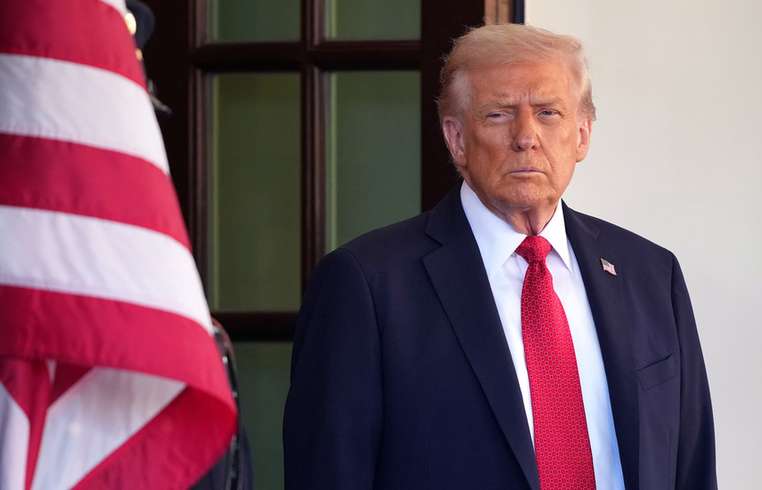
As 2026 unfolds, the global political landscape faces critical tests that may redefine power dynamics and geopolitical stability. The year will determine the success of Donald Trump's foreign policy ambitions, which hinge on establishing a functional administration in Gaza, a task complicated by the weakened yet persistent presence of Hamas and continuous Israeli refusal of such arrangements. The second notable front is Venezuela, where Trump's political investment aims to overthrow Nicolas Maduro, a move that, if successful, will improve America's standing in Latin America and beyond. In Ukraine, Trump's strategy is more restrained, relying on informal negotiations and favorable economic terms to potentially neutralize long-standing geopolitical tensions. By the end of the year, the efficacy of this approach will be more evident. These developments occur on a tight timetable with looming US midterm elections in November 2026, which could limit Trump’s strategic flexibility should Congress be less cooperative. Western Europe faces a year of pivotal decision-making, with France's political landscape on the cusp of either producing a new centrist leader or empowering Jordan Bardella, a figure likely to push for major EU reforms. Simultaneously, Germany's economic struggles pose risks to its coalition if not addressed. The BRICS group will navigate its set of challenges: China's trajectory before the 2027 Party Congress and its deteriorating ties with the US due to Taiwan's armament, India's relationship dynamics shaped by the rise of a pro-Chinese government in Bangladesh, and Brazil’s presidential elections, which could alter its alignment with BRICS if Bolsonaro returns to power. Despite some leaders’ yearning for a return to predictable international norms, Trump's policies are expected to exacerbate existing global tensions, warning of increased geopolitical fragmentation rather than a return to stability.
About usyoo

Categories
Tags