

News - Rules of Engagement: Officers and Moving Vehicles
Business Strategy
Rules of Engagement: Officers and Moving Vehicles
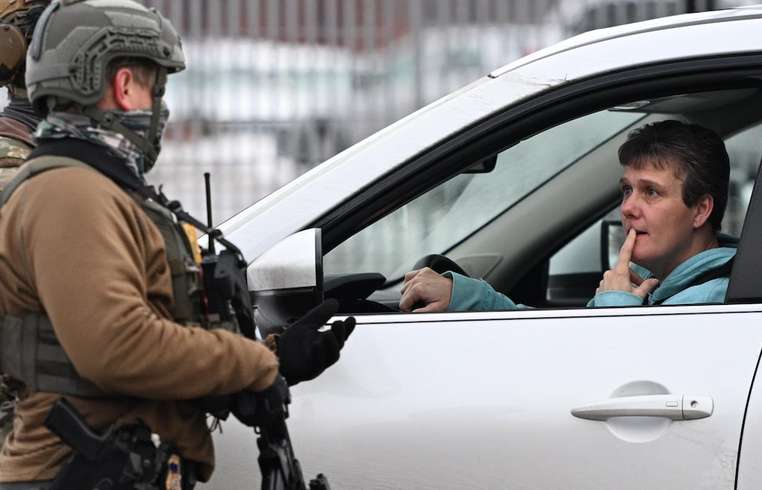
In a dramatic turn of events, Minneapolis became the scene of a controversial federal immigration raid that ended with the shooting death of 37-year-old Renee Nicole Goode by a U.S. Immigration and Customs Enforcement (ICE) officer. The incident unfolded during a tense confrontation involving Goode's vehicle, and crucial moments were captured on cellphone video. The footage, now widely circulated, depicts an ICE officer approaching Goode's stationary SUV in the street. As the SUV inches forward, another officer stationed directly in its path discharges his weapon multiple times, reportedly in self-defense, while simultaneously leaping to safety. This act has garnered strong reactions, with federal authorities asserting it was necessary, whereas the city's mayor publicly condemned it as reckless and avoidable. This incident serves as a stark reminder of the ongoing debate and stringent regulations surrounding law enforcement's use of deadly force, particularly involving moving vehicles. While there is no universally applicable training standard, most federal and local law enforcement agencies, including ICE, adhere to guidelines restricting the discharge of firearms at moving vehicles unless the situation presents an imminent threat of lethal harm extending beyond the threat of the vehicle itself. Risks associated with firing upon a moving vehicle are manifold. Experts highlight the heightened possibility of errant gunshots, potential loss of the driver's control, and significant risks to bystanders. Furthermore, established protocols compel officers to explore all reasonable alternatives, including vacating the vehicle's path before resorting to lethal measures. Officers are predominantly barred from using deadly force as a mechanism to arrest or halt an evading suspect unless the driver's actions present a direct, immediate danger. This policy alignment extends to federal immigration agents, who generally follow identical Justice Department directives as their local counterparts. ICE's governing body, the Department of Homeland Security, permits deadly force strictly when an officer justifies a reasonable perception of an imminent threat that could lead to death or grave injury. The fallout from such incidents typically triggers a series of investigations, often spearheaded by internal federal reviews and state or local law enforcement probes. Though federal agents benefit from certain legal protections, their actions are subject to scrutiny and potential prosecution if they significantly overstep their legal bounds. The FBI is currently at the forefront of the Minneapolis shooting probe, an investigation closely monitored as it may set precedents concerning federal agent conduct and the tricky terrain of using force in vehicular interventions.
About usyoo

Categories
Tags