
News - Global Efforts Enhance Ocean Protection with New Marine Sanctuaries
Business Strategy
Global Efforts Enhance Ocean Protection with New Marine Sanctuaries
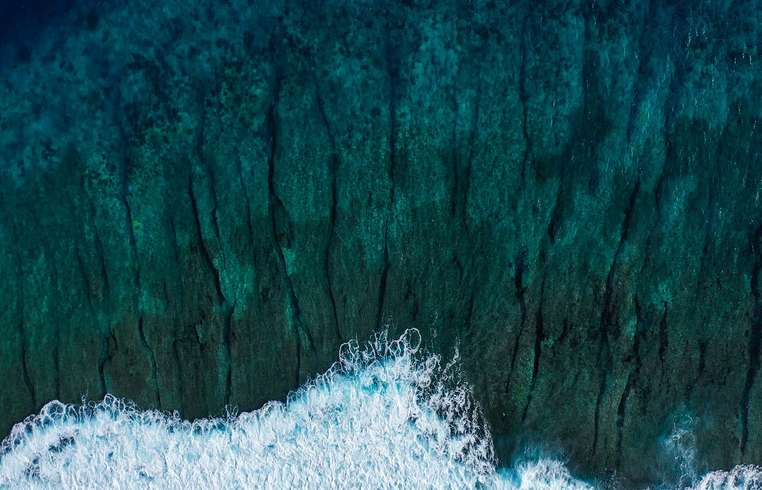
As 2025 concludes, the concerted global initiative to safeguard marine ecosystems has reached a significant milestone. According to the latest figures from the World Database on Protected Areas, 9.6% of the planet's oceans are now designated as marine protected areas (MPAs). This marks a notable increase from 8.4% in 2024, emphasizing the commitment of nearly 200 nations to the goal of conserving 30% of Earth's lands and waters by the end of this decade. The collective efforts of nations worldwide have expanded the total count of MPAs to 16,608, covering almost 35 million square kilometers, akin to an expanse twice the size of Russia. However, less than a third, specifically 3.2%, are categorized as highly or fully protected, sparking concerns about the efficacy of paper-only protections. Notable achievements from 2025 include: French Polynesia's Grand Vision In a landmark declaration in June, French Polynesia committed to guarding its entire exclusive economic zone, a vast area of approximately 4.8 million km2. A section, exceeding 1 million km2, is reserved for complete protection against extractive activities, though this remains to be legally ratified. Philippines' Coral Sanctuary In August, the creation of the Panaon Island Protected Seascape in the Philippines marked a revolutionary step. Encompassing 612 km2 within the Pacific Coral Triangle, this region is a biodiversity hotspot, nurturing species like endangered whale sharks and Philippine ducks. Pakistan's Biodiversity Haven September saw Pakistan inaugurating a marine protected area around Miani Hor Lagoon. Although relatively small at 43 km2, it is an invaluable hub for species like Dalmatian pelicans and endangered dolphins, underscoring the lagoon's critical ecological significance. Samoa's Oceanic Guardianship In May, Samoa designated 30% of its maritime territory as protected areas. This initiative spans 35,936 km2 of ecologically rich marine environments, crucial for species like the critically endangered hawksbill sea turtles. Preserving Pristine Reefs in the Marshall Islands The year also began with a notable proclamation from the Marshall Islands, establishing a sanctuary of 48,000 km2 around two remote atolls. This area features some of the world's most flourishing coral reefs, providing vital refuge to diverse marine life. These collective efforts mark substantial progress in marine conservation while highlighting the challenges and opportunities in achieving sustainable ocean management. Continued vigilance, legal enforcement, and community engagement remain paramount in realizing the vision of effective marine protection.
About usyoo

Categories
Tags