
News - Trump seeks to improve relations with the Colombian President by extending an invitation to the White House.
Business Strategy
Trump seeks to improve relations with the Colombian President by extending an invitation to the White House.
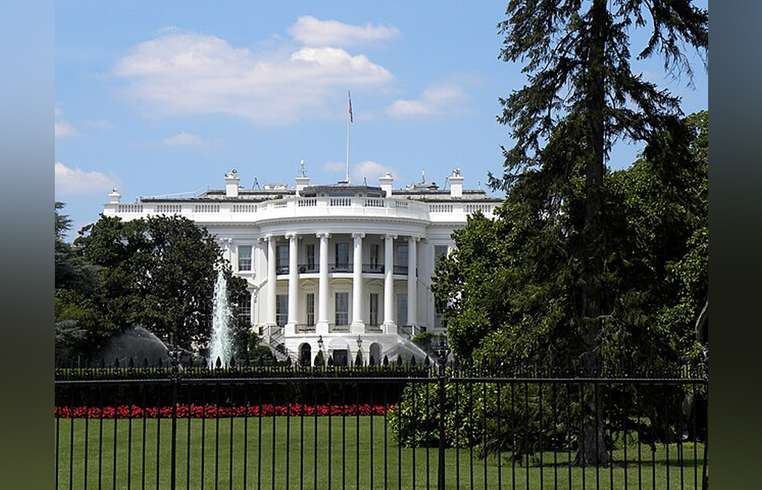
In a surprising about-face, President Donald Trump has invited Colombian President Gustavo Petro to the White House following a cordial phone call. This move marks a dramatic shift from Trump's recent accusations that Colombia's leader was involved in drug trafficking activities, contributing to tensions between the U.S. and Colombia. The conversation reportedly centered around pressing issues such as drug trafficking and the situation in Venezuela. Just days earlier, Trump had implied military action could be on the table, alarming many with comments that suggested Venezuela's problems were mirrored in Colombia. He had accused Petro of manufacturing and selling cocaine to the U.S., leading to speculation about potential U.S. intervention. These assertions were followed by sanctions against Petro, his family, and a government official due to alleged ties to the global drug trade. Petro responded robustly, rallying thousands in downtown Bogotá. Addressing protesters, he blamed certain Colombian politicians with presumed connections to narco-trafficking for providing misleading information to Trump, causing diplomatic strife. This public clarification aimed to dispel notions of Colombia's president as a central figure in the illicit drug industry. Historically, Colombia has been a pivotal partner in the U.S.'s counternarcotics strategies, despite being the largest producer of cocaine globally. Washington and Bogotá have cooperated extensively to combat drug trafficking, rein in rebel forces, and foster economic development in rural areas. However, the relationship had soured in recent months, culminating in a reduction of U.S. aid and Colombia's placement on a list of non-cooperative nations in drug enforcement efforts for the first time in nearly three decades. Trump's outreach to Petro reflects an attempt to recalibrate diplomatic relations, as Colombia remains a crucial ally in the region. Both leaders now stand at a crossroads, with the potential White House meeting offering a platform to address misunderstandings and reinforce bilateral ties.
About usyoo

Categories
Tags