
News - Congress Challenges Trump on Authorization for a Strike in Venezuela
Business Strategy
Congress Challenges Trump on Authorization for a Strike in Venezuela
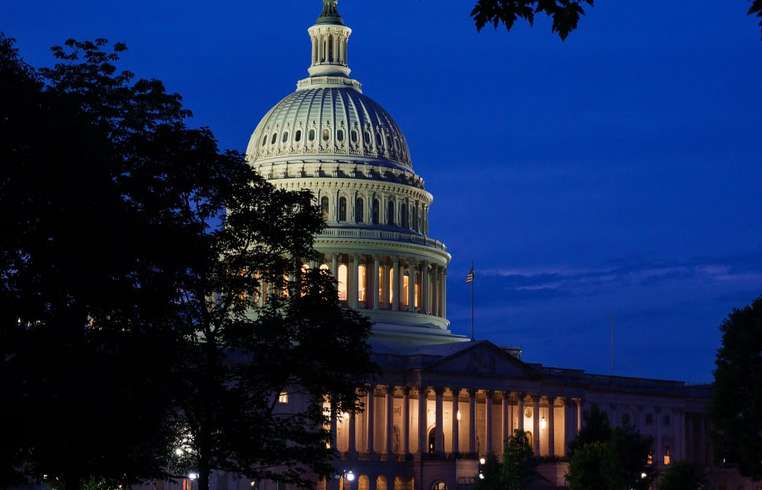
In a contentious move, President Donald Trump authorized military action in Venezuela, resulting in the capture of President Nicolás Maduro, without prior congressional approval. This decision has prompted sharp criticisms from congressional Democrats, accusing the administration of misleading lawmakers about its intentions in Venezuela. White House Chief of Staff Susie Wiles had previously acknowledged that congressional authorization was necessary for such strikes, a stance that Trump contradicted, asserting that he did not need to inform Congress of his plans. Following the operation, Secretary of State Marco Rubio admitted that Congress was only briefed post-mission, arguing that notifying legislators beforehand was not feasible. However, this explanation has not satisfied several lawmakers. Senate Minority Leader Chuck Schumer emphasized that the administration had previously assured him of no plans for regime change or military action, calling current events a betrayal of American trust. Similarly, Democratic Representative Seth Moulton expressed dismay over the deceit, stating that briefings had consistently denied any intention of invasion or troop deployment in Venezuela. Representative Gregory Meeks accused Secretary Rubio of lying to Congress about military plans. The administration's rationale, hinging on nuanced definitions of 'invasion' and 'regime change,' has been dismissed by critics as semantic evasion at a time when credibility is crucial. In response to the military operation, Senator Tim Kaine announced plans to spearhead a vote to block any further military action without congressional consent. This vote tests Republican support for the President's approach to Latin American foreign policy, especially amidst existing concerns about escalating tensions in the Western Hemisphere. The vote, while unable to undo the recent strikes, aims to constrain the President's future military engagements and highlight potential shifts in GOP alignment regarding Trump's aggressive international strategies. Support for the resolution could mark a significant restraint on executive military action.
About usyoo

Categories
Tags