

News - Tragic Loss in Colorado: Suspected Mountain Lion Incident Claims Hiker's Life
Business Strategy
Tragic Loss in Colorado: Suspected Mountain Lion Incident Claims Hiker's Life
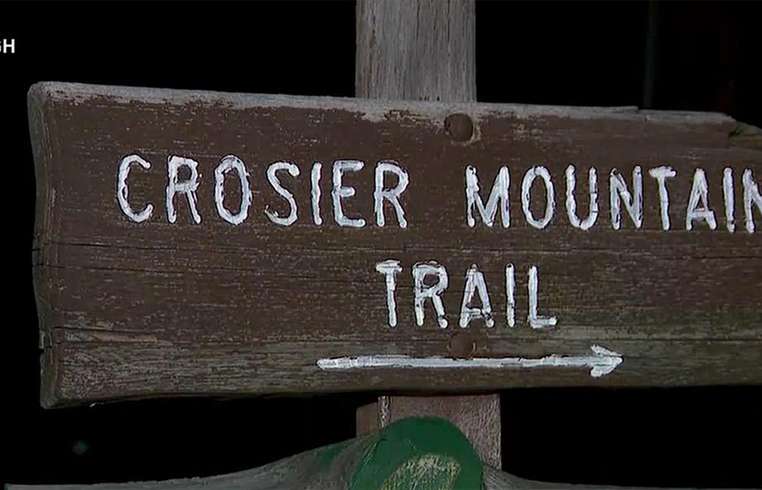
In a heartbreaking event in northern Colorado, a woman was tragically killed in what is believed to be a mountain lion attack, as she hiked through the scenic yet secluded Crosier Mountain trail near the small community of Glen Haven. This would be the state's first fatal mountain lion incident in more than 25 years, according to local authorities. Wildlife officers, in response to the distressing occurrence, located and euthanized two mountain lions in the vicinity. Two hikers, who stumbled upon the scene, attempted to aid the woman. Despite their attempts to repel the mountain lion using rocks, and the timely medical attention from one of the hikers who was a physician, the woman could not be revived. The cause of the woman's death and the specifics of her injuries have not been released, pending further investigation. As authorities continue their meticulous search for other potential threats in the area, the tragic incident serves as a stark reminder of the natural dangers lurking in Colorado’s wilderness. The region, noted for its picturesque landscapes of forests and rugged trails, is a well-known habitat for mountain lions. Though mountain lion sightings are not uncommon, with Larimer County being particularly favorable habitat for these elusive cats, incidents of attacks on humans are exceedingly rare. Colorado's wildlife history records its last suspected fatal attack in 1999, involving a young child in Rocky Mountain National Park. In a broader scope, mountain lions, also recognized as cougars or pumas, are widespread in the region, hunting primarily deer. The state's population of these magnificent creatures is estimated to range between 3,800 to 4,400. While they remain classified as a big game species, permitting regulated hunting, the recent event underscores the balance between conservation efforts and public safety in these harmoniously wild environments.
About usyoo

Categories
Tags