
News - An AI-generated fake video has caused rumors of a curfew in the UK.
Business Strategy
An AI-generated fake video has caused rumors of a curfew in the UK.
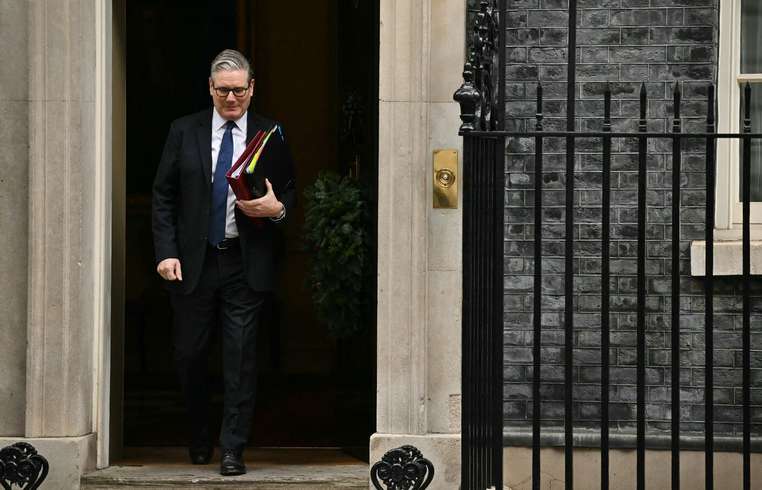
Imagine a nation-wide lockdown imposed every night, announced directly by the British Prime Minister, Keir Starmer. This was the alarming scenario depicted in a 61-second TikTok video. However, despite its convincing portrayal—leveraging advanced AI technology to mimic Starmer’s characteristic voice—the video was entirely fabricated. The clip, falsely stating a curfew policy effective after 11 p.m., went viral, attracting over 430,000 views and sparking widespread concern across platforms like TikTok, Facebook, and X. The hoax video was part of a larger disinformation campaign, with NewsGuard identifying a startling 6,042 videos featuring these falsified narratives about Prime Minister Starmer between May and December. Many of these videos were hosted by accounts masquerading as legitimate news entities, using misleading names such as 'BBB UK News' and 'Daily Britain News'. Collectively, these accounts amassed a significant online following, exceeding one million users. In response to the misinformation surge, TikTok has actively removed such misleading content, adhering to its community rules that ban manipulated media depicting crisis events or incorrectly portraying public figures. This incident highlights the growing challenge of digital deception, emphasizing the need for media literacy and vigilance from both platforms and users alike. As AI technology continues to evolve, distinguishing fact from fiction becomes a critical skill for the online community.
About usyoo

Categories
Tags