
News - U.S. Airstrike in Nigeria Leaves Locals Confused Despite No Casualties
Business Strategy
U.S. Airstrike in Nigeria Leaves Locals Confused Despite No Casualties
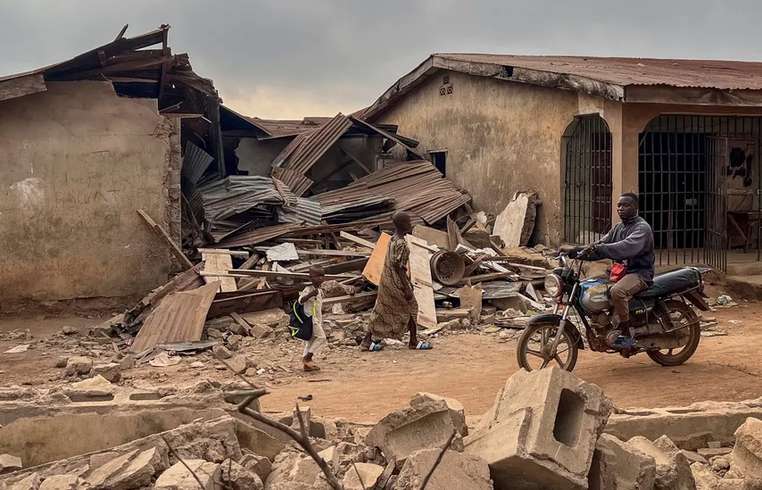
An anticipated U.S. military strike, coordinated with the Nigerian government, reportedly aimed at ISIS camps in Sokoto State, has left the local population in confusion as no casualties were reported. The operation, which commenced on Christmas Day night with at least 12 Tomahawk missiles, aroused fear in nearby villages. Despite statements from Nigerian authorities declaring a successful mission, eyewitness accounts from Jabo village describe an entirely different scene—one absent of bodies or destruction. Local residents and journalists witnessed the aftermath of the strike, highlighting a crater in a field as the only evidence of an impact. A Jabo farmer expressed relief as the blast, though alarming, left the village unharmed. Meanwhile, Nigerian officials assured that the targeted areas had been known hideouts for insurgents using the region as a passage from across the border. The U.S. asserted that they eliminated several ISIS terrorists, a claim contested by locals who argue their community lacks a history of terrorist affiliations. A significant cultural bond among Jabo’s residents, who cherish religious harmony, renders the supposed connections to ISIS implausible. Observers pointed out the region’s climate of minor crimes, yet distanced it from Islamist terror activities. Conflicting narratives swirl around the strike’s effectiveness. Local government chairman Isa Salihu acknowledged the historical presence of insurgents but admitted ongoing efforts to verify the actual effects of the recent operation. Security experts within Nigeria underscore the strategic purpose of the strike, claiming it disrupted high-level terrorist gatherings, despite the elusive verification of casualties. AFRICOM continues to assess their mission’s outcome, while Democratic dialogue fanned by media and local accounts remains vibrant. Further clarification is awaited to resolve the dispute on the operation’s tactical success and its ripple effects in northern Nigeria.
About usyoo

Categories
Tags