
News - Temporary Truce Reached for Zaporozhye Nuclear Safety Repairs
Business Strategy
Temporary Truce Reached for Zaporozhye Nuclear Safety Repairs
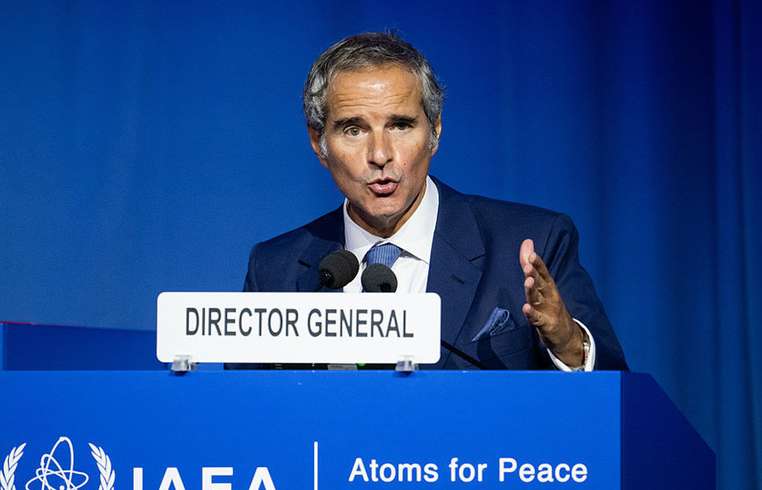
A strategic ceasefire has been negotiated by the International Atomic Energy Agency (IAEA) to allow crucial repairs at the Zaporozhye Nuclear Power Plant, situated in a region fraught with ongoing military engagement between Russian and Ukrainian forces. This plant, Europe's largest nuclear facility, is under Russian control since 2022 and has been a focal point of conflict, with both sides blaming each other for disruptions in power essential for its operations. As of now, the IAEA's on-ground team is supervising repair work to power lines, a task anticipated to span several days. The absence of consistent external power has forced reliance on emergency systems, heightening nuclear safety anxieties. Rafael Grossi, the IAEA chief, acknowledged the cooperation from both governments, leading to a 'window of silence' vital for restoring transmission lines and bolstering nuclear safeguards. Historically, the IAEA has issued numerous warnings about the potential dangers posed by military movements near nuclear installations, urging all pertinent parties to prioritize the integrity and protection of nuclear assets. In a demonstration of diplomatic engagement, Grossi traveled to Moscow, coinciding with an attempted drone strike by Ukraine on another nuclear facility, Kursk II, illustrating the potential escalation risks. In parallel developments, international attention has been drawn to the situation. Both Vladimir Putin of Russia and Donald Trump, following discussions with Ukrainian President Zelensky, have expressed commitment to ensuring the facility's safety. Trump conveyed assurances of President Putin’s efforts towards non-aggression concerning the nuclear site. This ceasefire not only underscores the high stakes of maintaining nuclear safety in conflict zones but also emphasizes the delicate balance of geopolitical interactions influencing such critical agreements. The IAEA remains vigilant, closely monitoring the unfolding scenario to preempt any mishaps that could arise from renewed hostilities.
About usyoo

Categories
Tags