
News - Putin's escalation in Ukraine complicates the upcoming Trump-Zelenskyy peace talks.
Business Strategy
Putin's escalation in Ukraine complicates the upcoming Trump-Zelenskyy peace talks.
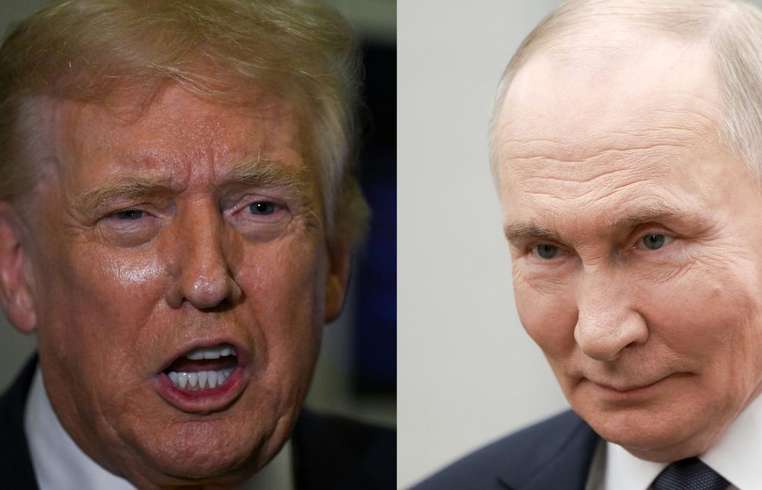
In a stark contradiction to recent diplomatic overtures, Russian forces executed a deadly airstrike on Kyiv, dramatically undermining declarations of a commitment to peace with Ukraine. The attack resulted in casualties and intensified global scrutiny as it coincided with statements from U.S. Special Envoy Steve Witkoff, who had recently proclaimed Russia's dedication to achieving a peaceful resolution to the conflict. Less than a week after these assurances, the Russian military launched a sophisticated assault on Ukrainian territory, employing long-range precision-guided missiles, including the feared Kinzhal hypersonic aeroballistic missiles. The renewed aggression posed serious challenges on the eve of a pivotal meeting between Ukrainian President Volodymyr Zelenskyy and U.S. President Donald Trump in Florida, where a comprehensive peace proposal was set to be finalized. The targeted assault focused on civilian and energy infrastructure within Kyiv, signaling Moscow's apparent disinterest in diplomatic negotiations. The bombardment persisted for 10 hours, highlighting the incongruity between Russia's public statements and its military activities. President Zelenskyy condemned the attack as emblematic of Russia's entrenched attitude toward peace initiatives, questioning the absence of a constructive Russian response to international peace proposals. On social media, he declared that Russia communicates through its military capabilities rather than dialogue, citing the deployment of 'Kinzhal' and 'Shahed' systems as their ink on the peace proposals. The unfolding events have cast a shadow over the anticipated meeting with President Trump, adding urgency to Zelenskyy’s agenda to seek increased U.S. pressure on Moscow to end hostilities. Trump's stance on the ongoing conflict reflects a growing frustration, attributing the duration of the war to Ukraine and its European allies rather than solely to Russian aggression. As Kyiv reels under the recent strikes, global tensions surge, and questions about the effectiveness of diplomatic engagements take center stage. President Zelenskyy expressed his readiness to compromise for peace during talks with President Trump, underlining the need for intensified Western pressure to coax Moscow into constructive dialogue. He advocated for a clear demonstration of Ukraine’s willingness to resolve the conflict, contingent on reciprocal Russian engagement. This meeting is pivotal not only for Ukraine but also in testing U.S. leadership and diplomatic influence in resolving one of the most protracted and volatile conflicts of the current geopolitical landscape. The international community awaits the outcomes from this critical engagement, with hopes pinned on significant steps toward peace.
About usyoo

Categories
Tags