
News - GAO Urges DOD to Clarify Indo-Pacific Deterrence Funding
Business Strategy
GAO Urges DOD to Clarify Indo-Pacific Deterrence Funding
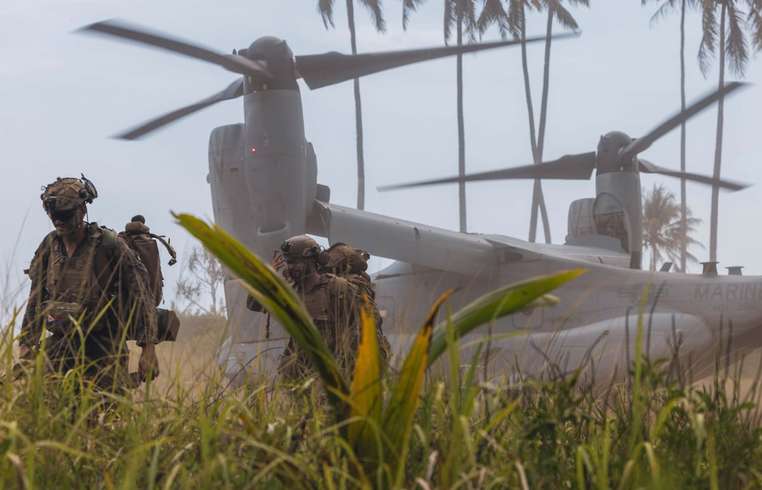
Amid growing tensions in the Indo-Pacific region, the U.S. Defense Department's funding strategies are coming under scrutiny. A recent Government Accountability Office (GAO) report highlights inconsistencies in how the Department of Defense (DOD) allocates its Pacific Deterrence Initiative (PDI) funds, which are crucial for countering threats from the People's Republic of China. Despite establishing the PDI to provide transparency on funding distribution, the GAO found discrepancies in program selection and financial allocation across military branches. While the Air Force and Marine Corps prioritized facilities sustainment to manage risks, similar efforts were not evident in the Army and Navy budgets. Some investments depicted in the DOD's financial plans were either non-compliant with PDI's near-term focus or geographically misplaced by extending east of the International Date Line, contrary to PDI's primary focus on the west. The lack of clarity in the internal guidelines has disrupted the selection of appropriate programs, thereby undermining the overall initiative. Beyond individual program assessments, the GAO disclosed deviations between DOD's proposed PDI budget and the Indo-Pacific Command's independent fiscal evaluations—differences attributed partly to the latter's assumption of having unlimited resources. Such discrepancies cast doubt on DOD's capacity to allocate resources in alignment with its strategic objectives for the Indo-Pacific. The report cautions that unless the DOD refines its processes and elucidates the purpose of the PDI budget exhibit, Congress will continue to encounter obstacles in monitoring progress towards achieving deterrence and postural milestones in the region. The GAO emphasizes that resolving these inconsistencies will enhance the budget's ability to deliver precise and cohesive details on resource allocation and thereby, fortify capabilities and preparedness in the Indo-Pacific.
About usyoo

Categories
Tags