
News - Harlem Museum to Highlight Civil Rights in the North
Business Strategy
Harlem Museum to Highlight Civil Rights in the North
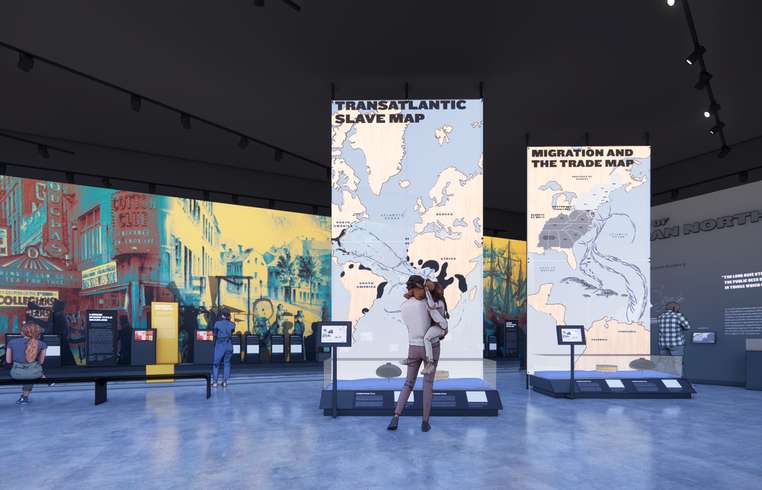
Scheduled to debut in 2026, aligning with the country's 250th anniversary, the newly announced Harlem civil rights museum is set to offer an enriching educational experience through interactive exhibits, rotating displays, and community spaces. These features are crafted to inspire visitors to become 'agents of change,' according to Marc Morial, a prominent advocate for the initiative. Morial addresses the critical issue of historical erasure, asserting that such acts are racially driven and designed to eliminate essential narratives. He believes the museum contradicts these attempts by serving as both a historical archive and a challenge to ongoing efforts that aim to limit rights and redefine who is considered 'American.' The museum acknowledges the significant yet often overlooked influence of Northern leaders, such as A. Philip Randolph, Adam Clayton Powell Jr., and Ella Baker. These figures utilized Harlem as a critical hub for advancing labor rights, voting access, and economic justice, shaping civil rights activism that both preceded and influenced the Southern movement. The addition of a new Conference Center aims to further extend the museum's mission by becoming a birthplace for new ideas and a nurturing environment for movements focused on equity and justice. This evolution signifies preparation for the next chapter in the ongoing fight for civil rights. Criticizing recent trends in censorship, particularly the banning of influential authors like Toni Morrison, Morial argues that these efforts are ultimately counterproductive. "More people are eager to learn about Black history than ever before," he declares, expressing the museum's commitment to ensuring these stories remain accessible and acknowledged. In his dedication speech, Morial emphasizes that the civil rights struggle was not confined to the South, asserting that Harlem's role was integral and undeniable. The museum aims to secure the acknowledgment that the North was as much a battleground for civil rights as any other region, ensuring its historical impact is sustained and celebrated.
About usyoo

Categories
Tags