
News - Turkey's Bold $9 Billion Move into Russian Nuclear Energy
Business Strategy
Turkey's Bold $9 Billion Move into Russian Nuclear Energy
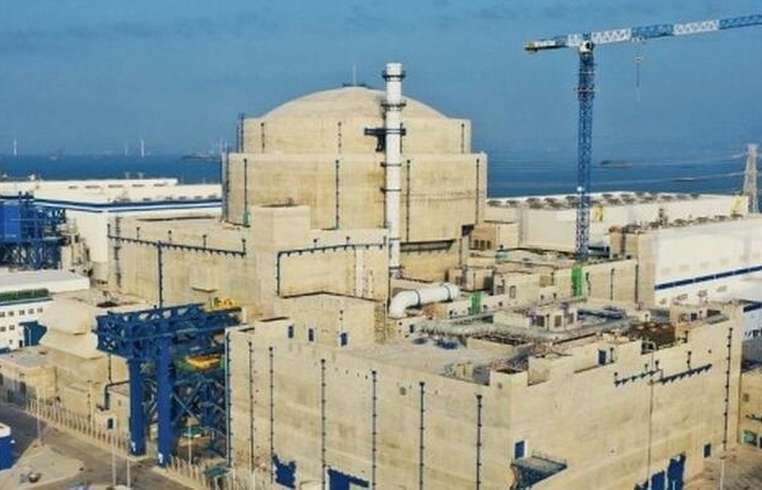
In a move that further entwines its energy future with Russia, Turkey has announced an infusion of $9 billion in new financing from Moscow for the Akkuyu nuclear power plant. This plant marks Turkey's foray into nuclear energy, constructed by the Russian state-owned company Rosatom along the Mediterranean coast. Energy Minister Alparslan Bayraktar stated that the financial boost will predominantly activate in 2026 and 2027, with $4-$5 billion expected to flow by next year. The plant's operation, after prior delays, is now scheduled to begin in 2026. This venture is not merely an infrastructural development but also a testament to the inseparable energy ties between Turkey and Russia, even amidst discussions on diversification and reduced reliance on Moscow. Akkuyu's unique build-own-operate model allows Rosatom to assume the financial burden, retain ownership, and handle operations for years to come – a strategy that outlasted Turkey's previous nuclear project in Sinop. Significantly, this financial commitment arrives as Turkey amplifies its renewable energy claims, having notably increased its renewable capacity to approximately 74 gigawatts, doubling its solar output in less than three years. Turkey reports that its wind and solar developments have saved $15 billion in natural gas imports since 2022. Additionally, aiming for a net-zero target by 2053, Turkey is exploring major solar collaborations, including a 5-gigawatt initiative with Saudi Arabia’s ACWA Power. However, the nuclear initiative, including Akkuyu's potential to deliver about 10% of Turkey's electricity needs, complements Turkey's energy ambitions by decreasing gas imports and providing stable baseload power. It also secures a long-term alliance with Russia, unmatched by renewable ventures. While Turkey hints at potential nuclear developments with South Korea, China, and the United States, only Russia has made concrete progress with plants under construction and significant financial outlay. For Turkey, aligning with Russia equates to gaining strategic leverage: a diversified energy framework blending Russian nuclear and gas, Middle Eastern solar funds, European network integrations, and emerging domestic renewables. Despite public declarations of diversity, Turkey is strategically consolidating its relationship with Russia.
About usyoo

Categories
Tags