
News - Scandal Erupts Over Japanese Submarine Engine Inspections
Business Strategy
Scandal Erupts Over Japanese Submarine Engine Inspections
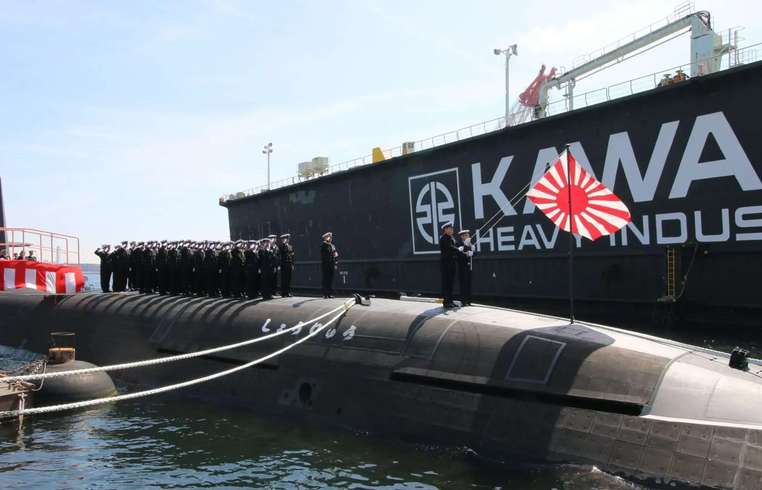
In a significant move, Japan's Ministry of Defense has announced a 2.5-month suspension on Kawasaki Heavy Industries following the discovery of extensive misconduct during inspections of submarine diesel generators. As reported on December 26, this sanction precludes the company from engaging in designated government contracts until March 11, 2026, reflecting intense scrutiny on the defense sector's quality control practices. Investigations disclosed irregular inspection procedures where numerous engines failed to abide by the fuel consumption standards, though they reportedly did not jeopardize safety or performance. Such repercussions elucidate the gravity of this administrative action, a landmark precedent in penalizing major Japanese defense contractors in recent years. In an official public correspondence, Kawasaki Heavy Industries President Yasuhiko Hashimoto expressed profound remorse and asserted the company's earnest commitment to rectify procedural gaps and renew stakeholder confidence. Adding layers to this controversy, the Ministry uncovered illicit financial transactions between Kawasaki Heavy Industries and its subcontractors linked to submarine maintenance contracts. The illicit funds were allegedly used by Kawasaki staff to furnish personal gifts to Japan Maritime Self-Defense Force personnel encompassing luxury non-essentials such as gaming consoles, golf equipment, and premium watches. Of note, 11 service members faced disciplinary measures owing to their involvement in the scandal, with items valued between ¥10,000 and ¥400,000, aggregating a total of ¥1.16 million ($7,800). Consequentially, disciplinary actions ensued, comprising suspensions and pay cuts for implicated personnel. Among those penalized were three supervisory figures who oversaw shipbuilding contracts, one of whom—a senior enlisted member stationed at the Kure Ship Repair and Supply Facility—received a 15-day suspension for accepting personal gifts while serving aboard submarines and continuing such practices upon moving to a supervisory capacity. Two additional supervisors in their fifties were subjected to five-day suspensions. The eight members facing pay reductions included current and former submarine crew members with penalties ranging from a one-sixth to a one-fifth reduction in monthly wages. The broader investigation, originally identifying 13 involved personnel, was condensed to 11 after delineating items not intertwined with official duties. This scandal underscores a critical juncture in defense contracting, prompting a continuum of reforms aiming to bolster transparency and accountability.
About usyoo

Categories
Tags