
News - The U.S. launches a strategic strike on ISIS in Nigeria amid rising tensions.
Business Strategy
The U.S. launches a strategic strike on ISIS in Nigeria amid rising tensions.
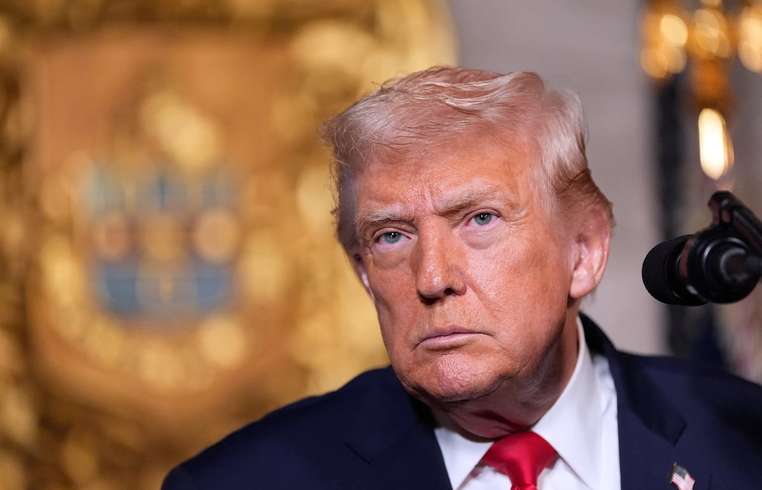
In a significant escalation of anti-terrorism initiatives, the United States, under the direction of President Donald Trump, has executed a targeted military strike against ISIS operatives in Nigeria. The precision strike, occurring on Christmas evening, marks a decisive U.S. response to the escalating violence against Christians in Nigeria, which has drawn international attention and condemnation. President Trump, in his announcement, described the strike as 'powerful and deadly,' emphasizing the U.S. commitment to protect religious communities from radical Islamist threats. Though specific details of the attack's impact remain undisclosed, the U.S. Africa Command confirmed that the operation successfully neutralized multiple ISIS terrorists, acting at the request of Nigerian authorities in Soboto State. The military collaboration reflects ongoing diplomatic coordination between the U.S. and Nigeria, aiming to curb the extremist violence plaguing the region. According to a Defense Department official, the strike was part of a broader strategy involving intelligence sharing and tactical cooperation with the Nigerian government. This operation aligns with Nigeria’s Ministry of Foreign Affairs statements on upholding sovereignty and regional security in adherence to international law. Nigeria confronts chronic security challenges, with a population evenly split between Christians and Muslims, and facing threats from Boko Haram and other extremist factions. These groups have historically committed atrocities against both religious communities. The complex social landscape includes conflicts over resources, ethnic rivalries, and secessionist movements, contributing to Nigeria's unstable security environment. This operation arrives amidst the backdrop of the U.S. reducing its military footprint across Africa, which raises questions about the long-term sustainability of further military engagements in the region without reallocating resources from global operations. Despite this strategic challenge, the Trump administration remains resolute. Recent U.S. policy actions have included visa restrictions on Nigerians implicated in religious violence and designating Nigeria as a 'country of particular concern' under the International Religious Freedom Act. In his message, President Trump reaffirmed the U.S.'s unwavering stance against terrorism, highlighting the 'perfect strikes' executed by American forces that underscored the nation's military prowess. Secretary of Defense Pete Hegseth echoed this sentiment, attributing the success to robust Nigerian cooperation and reaffirming commitments to future joint counter-terrorism efforts. With ongoing threats in Nigeria targeting educational institutions and religious sites, U.S. strategic interventions underline a continuing global effort to dismantle ISIS influence and safeguard civilian lives. Experts remain watchful of the evolving dynamics, acknowledging the intricate challenges facing Nigeria as it grapples with not only religious violence but a myriad of security threats across its vast territory.
About usyoo

Categories
Tags