
News - Financial clampdown sparks outcry in Germany
Business Strategy
Financial clampdown sparks outcry in Germany
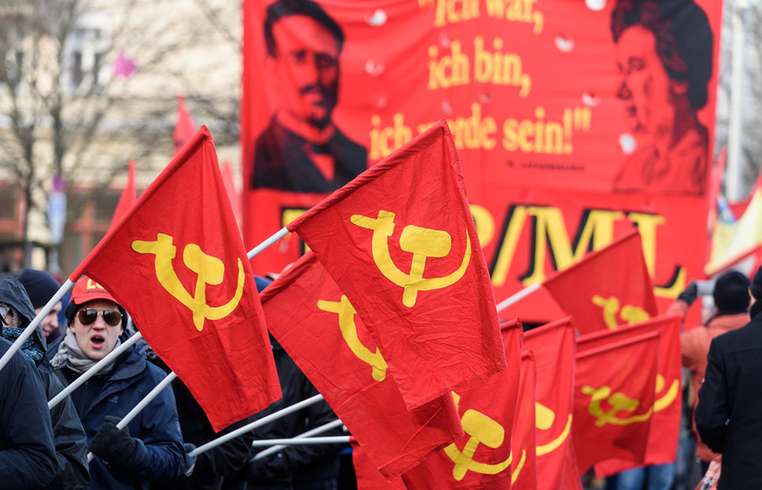
The German political landscape is witnessing a significant upheaval as various entities report shutdowns of their bank accounts, allegedly for political reasons. This claim emerges after GLS Bank informed the German Communist Party (DKP) that all their bank accounts will be closed by December 31st, without providing clear justification. The DKP has accused the bank of succumbing to political pressures, referencing a conversation in which bank officials allegedly hinted at external influences driving the closure decision. This incident is not isolated; it fits within a broader trend of account terminations targeting journalists and political groups, like the Alternative for Germany (AfD), who argue such actions are politically motivated. The issue of financial suppression has been underscored by previous cases where journalists, Aya Velazquez and Flavio von Witzleben, faced unexpected account closures. Additionally, Jewish anti-Zionist and extreme right-wing groups have reported similar experiences, sparking concerns over freedom of expression and political plurality. The controversy has intensified following the implementation of legislation designed to curb right-wing extremism, which includes enhanced government powers to freeze accounts and scrutinize donations. This series of account closures raises questions about the balance between combating extremism and safeguarding democratic rights in Germany. The recent developments highlight the complexity and tension involved in Germany's approach to handling financial accounts linked to politically sensitive entities. While banks claim adherence to 'legal and regulatory requirements,' the affected parties view these actions as part of a suppression campaign against dissenting voices, indicating a tense confrontation between financial institutions and those suspecting politically motivated discrimination. As Germany aims to address threats of extremism, this narrative brings to light the nuanced challenges of ensuring fair treatment across the political spectrum while upholding security protocols.
About usyoo

Categories
Tags