

News - Journalists File Lawsuit Against AI Giants for Using Copyrighted Material
Business Strategy
Journalists File Lawsuit Against AI Giants for Using Copyrighted Material
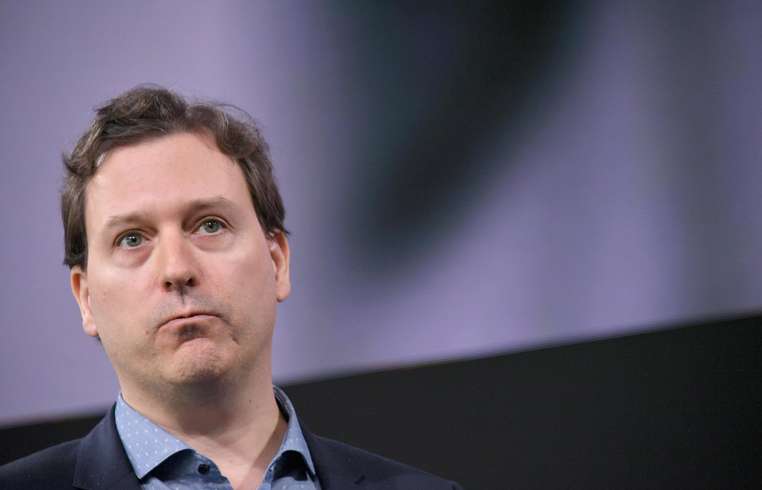
An investigative effort led by renowned New York Times reporter John Carreyrou has resulted in a significant legal action against some of the largest names in artificial intelligence. Filed in court on Monday, the lawsuit targets xAI, Anthropic, Google, OpenAI, Meta, and Perplexity, accusing them of misappropriating proprietary content from copyrighted books to enhance their AI models. Carreyrou, eminent for uncovering the Theranos scandal, is joined by five fellow writers, all unified in the stand against what they describe as blatant violations of intellectual property rights. This development follows a trend of rising intellectual property lawsuits this year, marked by diverse industries defending their content against unauthorized AI use. Allegations have spanned from movie giants like Disney and Warner Bros., to major newspapers such as the New York Times and the Chicago Tribune. Notably, some disputes have resolved through agreements, including licensing arrangements like the one between Disney and OpenAI. What makes this lawsuit distinct is its deliberate departure from the typical class action path. Instead, these authors aim to preserve the value of individual claims, ensuring that these accusations aren’t diminished through bulk settlements. The complaint points out the perceived inadequacy of previous settlements, such as a recent $1.5 billion payout by Anthropic to authors, where affected parties received minimal compensation compared to statutory limits. Perplexity has responded to the lawsuit, maintaining that their operations don't involve book indexing. Anthropic is no stranger to litigation, having faced similar battles with publishers, resulting in substantial settlements. The complexity and ramifications of this lawsuit introduce a novel legal chapter in the AI domain, pressing for greater accountability and equity. Engadget is actively reaching out to all named corporations for their input on this legal confrontation and will provide updates on any developments.
About usyoo

Categories
Tags