
News - Strategic Tourism Enhancement Plan Approved by Eurasian Economic Union
Business Strategy
Strategic Tourism Enhancement Plan Approved by Eurasian Economic Union
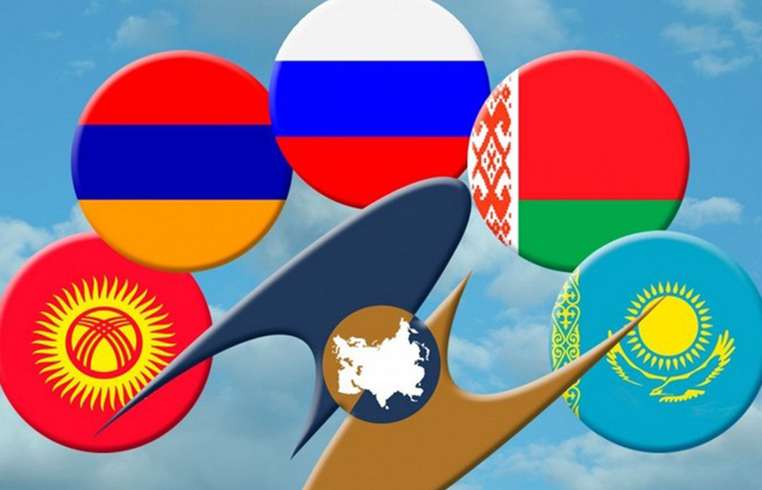
In a pivotal meeting of the Supreme Eurasian Economic Council, a comprehensive plan for developing tourism within the Eurasian Economic Union (EAEU) was sanctioned. This framework sets the stage for enhanced economic cooperation among member states by delineating priority areas and collaborative events aimed at bolstering tourism. YEREVAN, December 22. /ARKA/. The Supreme Eurasian Economic Council has ratified a significant strategic document to guide the tourism sector's future growth within the EAEU, as announced by the press service of the Eurasian Economic Commission. The newly approved Concept of Tourism Development within the EAEU outlines key directions for industry advancement and introduces joint initiatives designed to expand economic cooperation across the union. According to Bahyt Sultanov, Minister in Charge of Economy and Financial Policy, specific actions outlined in the strategy are set to enhance reciprocal tourism flows. The concept envisions the creation of new Eurasian tourism routes that will connect member states through shared experiences and impressions. An integral part of this strategy includes the launch of a dedicated tourism section on the union's portal, offering comprehensive information on the touristic potential within EAEU countries. The plan pays significant attention to the evolving landscape of global tourism. In light of World Travel and Tourism Council data, the tourism sector has rebounded remarkably post-pandemic, contributing nearly 10% to the global GDP in 2024, with tourism generating one in every ten jobs worldwide. For the EAEU nations, this presents a valuable opportunity, as their current average tourism contribution to GDP stands at a modest 3%. Each member nation within the EAEU is actively engaging in strategies aimed at heightening tourist safety, enhancing service quality, creating a welcoming environment, developing skilled personnel, and attracting investments. These efforts underscore an unprecedented commitment to realizing the full tourism potential of the union. The realization of this comprehensive Concept aims not only to boost mutual tourism flow and the sector's economic contributions but also to strengthen the competitive positions of tourism industries across the Union's territories. As Bahyt Sultanov concludes, the implementation of this strategic document is expected to invigorate the tourism sector and reinforce its status as a crucial economic driver across the EAEU.
About usyoo

Categories
Tags