
News - Reviving Mega Man: A Call for a Fresh Take
Business Strategy
Reviving Mega Man: A Call for a Fresh Take
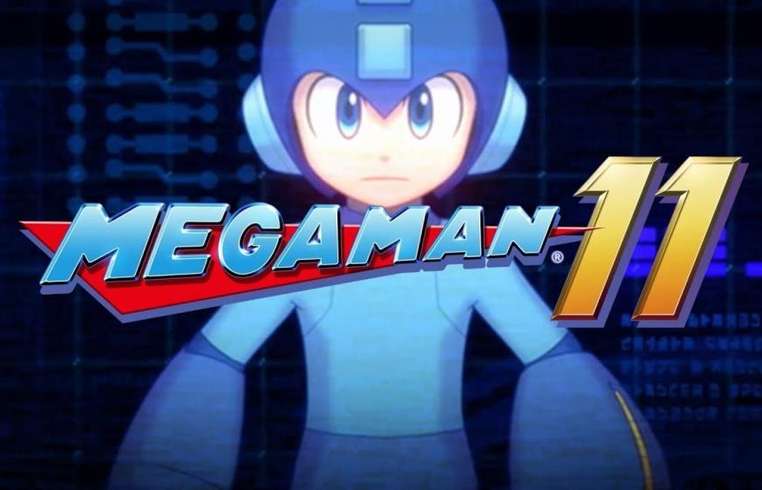
In recent years, the gaming world has been abuzz with the revitalization of beloved platforming icons, most notably seen with Super Mario Bros. Wonder and Sonic Superstars. These franchises have made triumphant returns by not only bringing familiar gameplay elements but also adding bold new art directions. This rejuvenation is significant, highlighting a blend of nostalgia and innovation that resonates deeply with both older fans and newcomers. Super Mario Bros. Wonder represents the first new mainline entry in over a decade, which dared to break the mold with an audacious art style and intriguing gameplay mechanics. Its successful return captured hearts globally, reinforcing that time away from the spotlight doesn’t diminish the passionate fandom or creative potential. Similarly, Sonic Superstars debuted during a period of renewed energy for the Sonic team, fresh off the acclaim of Sonic Frontiers. The success of these entries speaks volumes about the power of reinvention – maintaining the essence of classic gameplay while breathing new life into these iconic brands. With these successes as a backdrop, fans of the 2D platforming genre are turning their attention to another legendary character, Mega Man, whose presence has been notably quiet. The Blue Bomber hasn't seen a significant new installment with a reimagined design since Mega Man 11, which, while warmly received, didn't push boundaries like its contemporaries. The timing seems ripe for Capcom to consider Mega Man for a vibrant, ambitious makeover. This resurgence could blend state-of-the-art graphics with challenging, engaging mechanics that honor the series' roots while enticing modern audiences. The demand is clear: Mega Man fans long for a game that not only respects the history of the iconic character but also propels him into the current era with ingenuity and style. Such an endeavor has the potential to not only satisfy long-time followers but could also re-establish Mega Man as a central figure in the pantheon of platformers.
About usyoo

Categories
Tags