
News - New York Leads AI Safety Efforts with RAISE Act
Business Strategy
New York Leads AI Safety Efforts with RAISE Act
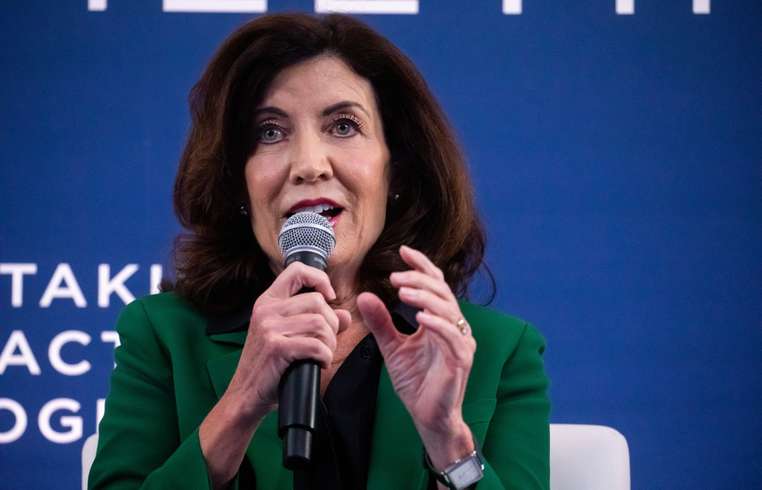
New York has advanced significantly in AI safety regulations as Governor Kathy Hochul officially signed the RAISE Act into law today. This monumental move makes New York the second U.S. state, after California, to introduce comprehensive AI safety legislation, setting a precedent on the national stage. Originally passed by state lawmakers in June, the RAISE Act encountered significant resistance from influential tech companies, which led to a proposed revision by Governor Hochul to scale back its scope. However, after intense discussions with state legislators and industry stakeholders, Hochul signed the initial version of the bill, with an agreement to consider adjustments in the next legislative session. Under the new law, large AI developers must publicly disclose their safety protocols and swiftly report any safety incidents to the state within 72 hours of occurrence. Additionally, the act establishes a dedicated division within the Department of Financial Services to oversee AI advancements and ensure compliance. Failure to adhere to these regulations could result in severe penalties for companies, with fines up to $1 million for initial violations and up to $3 million for repeat offenses. Highlighting the importance of this development, Governor Hochul stated, "This legislation aligns with California's recently established framework, creating a unified standard among the nation's leading tech hubs. It addresses the gap left by the federal government's lack of action in enacting necessary regulations to protect the public." State Senator Andrew Gounardes, a driving force behind the bill, celebrated the passage of the act on social media by emphasizing the resilience of lawmakers against tech industry lobbying: "Despite tech giants' attempts to dismantle our efforts, we stood firm and enacted the strongest AI safety legislation in the country." Prominent AI enterprises like OpenAI and Anthropic have voiced support for the RAISE Act, advocating for a broader nationwide approach. Anthropic’s external affairs chief, Sarah Heck, commented, "The enactment of AI transparency laws by two of the nation's largest states underscores the critical nature of safety and should motivate Congress to adopt comprehensive standards." Nevertheless, the enactment has not been uniformly welcomed. Some tech industry factions, supported by venture capital and tech influencers such as Andreessen Horowitz and OpenAI's Greg Brockman, plan to contest the legislation, targeting politicians who backed the bill in upcoming elections. Parallel to these state measures, a broader federal context emerges as former President Donald Trump issued an executive order instructing federal agencies to counter state-level AI regulations. This directive, fueled by Trump's AI advocate David Sacks, represents an ongoing federal versus state clash and is anticipated to face legal challenges, adding complexity to the regulatory landscape. The upcoming legislative sessions and potential court battles promise to shape the future of AI regulation in the United States, as discussions persist over the balance between innovation and public safety.
About usyoo

Categories
Tags