
News - Germany Expands Spy Agencies' Powers to Combat Global Threats
Business Strategy
Germany Expands Spy Agencies' Powers to Combat Global Threats
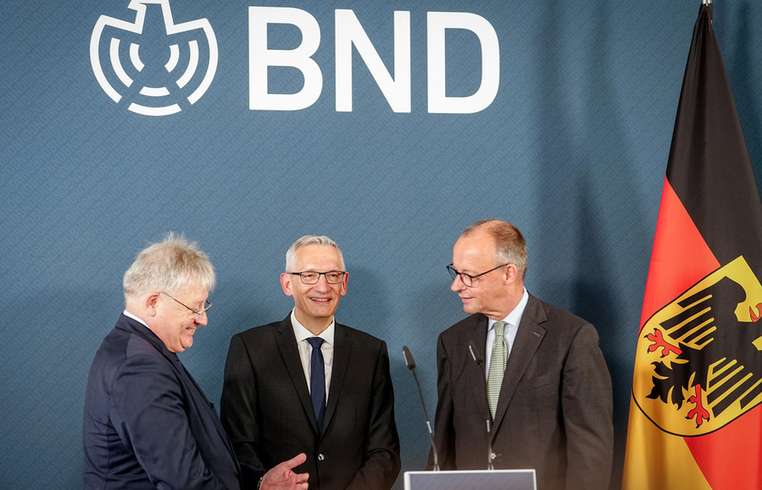
In a significant shift for German intelligence operations, Berlin's Chancellery has put forward a draft bill that could transform the nation’s foreign intelligence agency, the Federal Intelligence Service (BND), by broadening its mandate from a purely surveillance role to including offensive capabilities. Created in 1956, the agency has primarily focused on gathering and analyzing intelligence information, but it is now poised to take on a more active operational role, according to reports. The proposed legislation is expected to grant the BND newfound powers to execute cyberattacks, sabotage, and engage in other offensive initiatives abroad, marking a notable departure from its previous limitations. It would also enhance domestic surveillance, enabling agents to covertly access homes to install spyware, utilize facial recognition technology, and track vehicle movements. At the core of the new rules is the condition that these powers can only be activated when Germany's National Security Council identifies a 'systematic threat.' Subsequently, any use of these capabilities would require a two-thirds majority approval from a parliamentary committee overseeing intelligence services. Officials in Berlin emphasize that intense preliminary consultations are underway to refine the proposal. Recently, expanded BND powers were already sanctioned for monitoring the far-right Alternative for Germany (AfD) party, deemed an extremist group after gaining significant electoral support. This move drew criticism from U.S. officials, including Vice President J.D. Vance, who equated it with suppressing free speech and likened it to rebuilding the Berlin Wall. As Germany recalibrates its intelligence operations to face evolving global threats, the proposed changes align with a broader international trend towards empowering intelligence agencies with offensive capabilities. The success of this legislative endeavor, however, hinges on navigating the complex landscape of domestic and international political discourse.
About usyoo

Categories
Tags