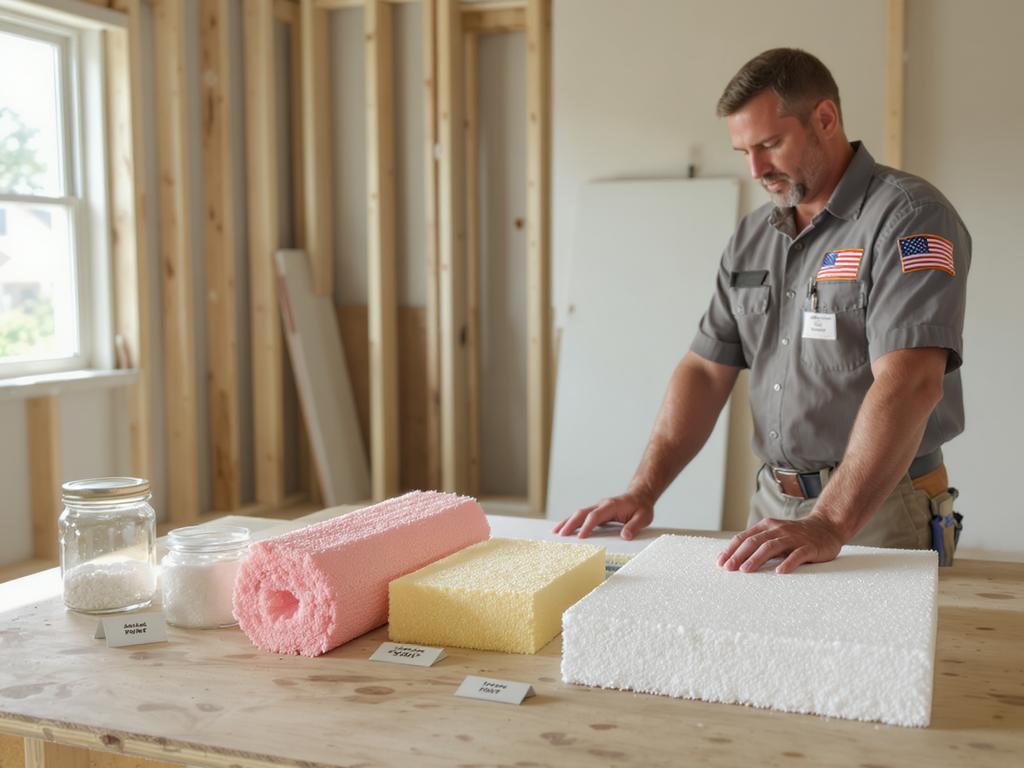
Looking for clear, trustworthy insulation and drywall guidance in Fontana, California? Our step-by-step guides help homeowners, landlords, and property managers make smart decisions—whether you’re planning a remodel, repairing damage, or improving comfort and energy efficiency. Learn which insulation type fits your walls, attic, or garage, how to choose the right R-value for Inland Empire weather, and how to avoid common issues like drafts, moisture, mold risk, and uneven temperatures. We also break down drywall basics—from hanging sheets and fastening patterns to taping, mudding, sanding, and selecting the right finish level (including smooth Level 5 for modern interiors). If you’re comparing quotes, our checklists explain what to ask, what a professional scope should include, and how to spot shortcuts before they become costly callbacks. Use these guides to plan confidently and get results that look great and perform better year-round.
Welcome to our Fontana Insulation & Drywall Guides—a practical resource center designed to help you plan projects with fewer surprises and better outcomes. Whether you’re upgrading an older home, finishing a garage, remodeling a kitchen, or repairing water-damaged walls, understanding the fundamentals can protect your budget and improve comfort.
Insulation: What to Choose in Fontana, CA
Fontana’s hot summers and cool evenings make insulation one of the most cost-effective upgrades for comfort and HVAC efficiency. The right solution depends on access, framing depth, and whether you’re targeting heat gain, noise, or moisture control.
Fiberglass batts: budget-friendly for open walls and accessible attics.
Blown-in cellulose or fiberglass: great for topping off attics and filling cavities with minimal disruption.
Spray foam: premium air sealing for hard-to-reach gaps and higher performance per inch.
In our guides, you’ll learn how R-values work, what to expect for attics vs. walls, and how proper air sealing can boost results.
Drywall: Installation, Repair & Finishing
Drywall quality comes down to straight framing, proper fastening, clean seams, and the correct finish level. We cover best practices for hanging sheets, corner bead options, and avoiding common issues like nail pops, cracking, and visible joints under strong lighting.
Drywall installation for remodels, additions, and garage conversions
Drywall repair for holes, cracks, and water damage
Finishing levels (Level 3–5) for texture or smooth walls
Use these guides to compare bids, understand timelines, and choose materials that match your goals—durability, appearance, and long-term performance.
To help you get the most accurate plan (and avoid overpaying), our Fontana-focused content also explains what pros evaluate before quoting a job: access, square footage, existing damage, ceiling height, texture type, and the condition of studs and insulation. A “cheap” drywall quote can quickly become expensive if it skips prep work, uses the wrong compound, or fails to match existing texture.
Common Insulation Questions (Answered)
Should I insulate the garage? In Fontana, insulating the garage can reduce heat transfer into adjacent rooms and make the space more usable. Our guides explain when you need wall batts, attic/ceiling insulation, and where air leaks typically hide (around doors, penetrations, and framing gaps).
Is blown-in insulation worth it? Blown-in attic insulation is often one of the fastest ways to improve comfort. We outline when it’s ideal, how depth relates to performance, and why ventilation and air sealing matter as much as adding more material.
How do I reduce noise between rooms? Sound control usually requires a system approach: insulation choice, sealing gaps, and sometimes resilient channels or specialized drywall. We break down practical options for bedrooms, home offices, and multi-family properties.
Drywall Finish Levels: What They Mean for Your Walls
Drywall finishing is often misunderstood, especially when homeowners compare estimates. In our guides, we clarify the difference between common finish levels and where each is recommended:
Level 3: suitable under heavier textures; common for many ceilings.
Level 4: standard for most painted walls with light texture or moderate lighting.
Level 5: best for smooth walls, modern designs, and areas with strong natural light that can reveal seams.
We also cover texture matching (orange peel, knockdown, skip trowel), how to blend repairs without “flashing,” and what proper sanding and dust control should look like on a professional job.
Planning Tips That Improve Results
Confirm the scope: insulation thickness/R-value targets, drywall thickness, corner bead type, and finish level should be written into the estimate.
Address moisture first: if there’s water staining, identify the source before closing up walls to reduce mold risk.
Think about lighting: raking light from windows or recessed cans can highlight drywall imperfections—choose the right finish level.
Don’t skip air sealing: sealing penetrations and gaps can make insulation perform dramatically better.
If you’re searching for reliable insulation and drywall information in Fontana, CA, these guides are built to give you clear answers, realistic expectations, and contractor-ready checklists. Use them to plan a clean install, a durable repair, and a finish you’ll be proud to paint.

 HI 58° LO 56°