-
New York, NY
 HI 58° LO 56°
 HI 58° LO 56°
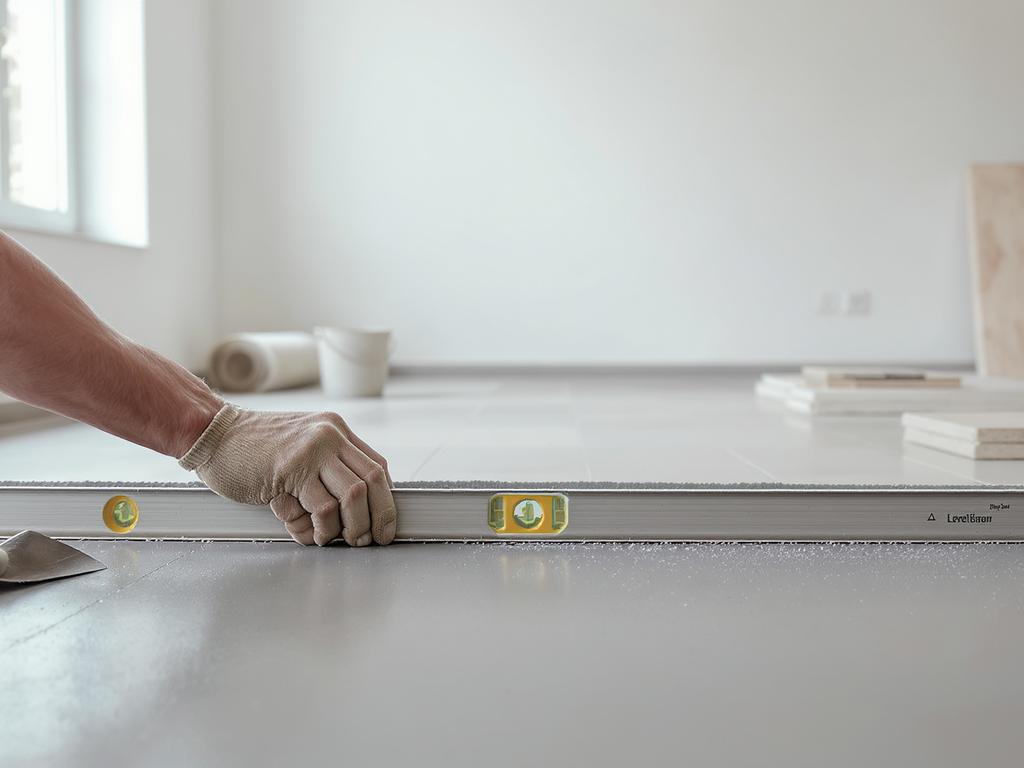
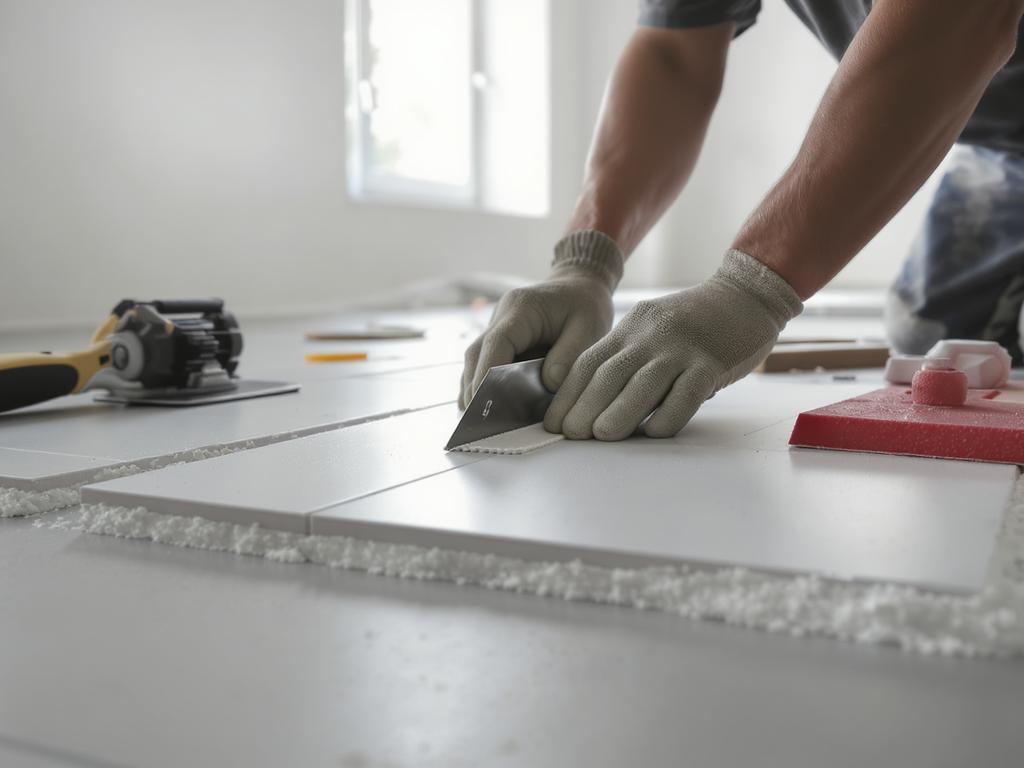
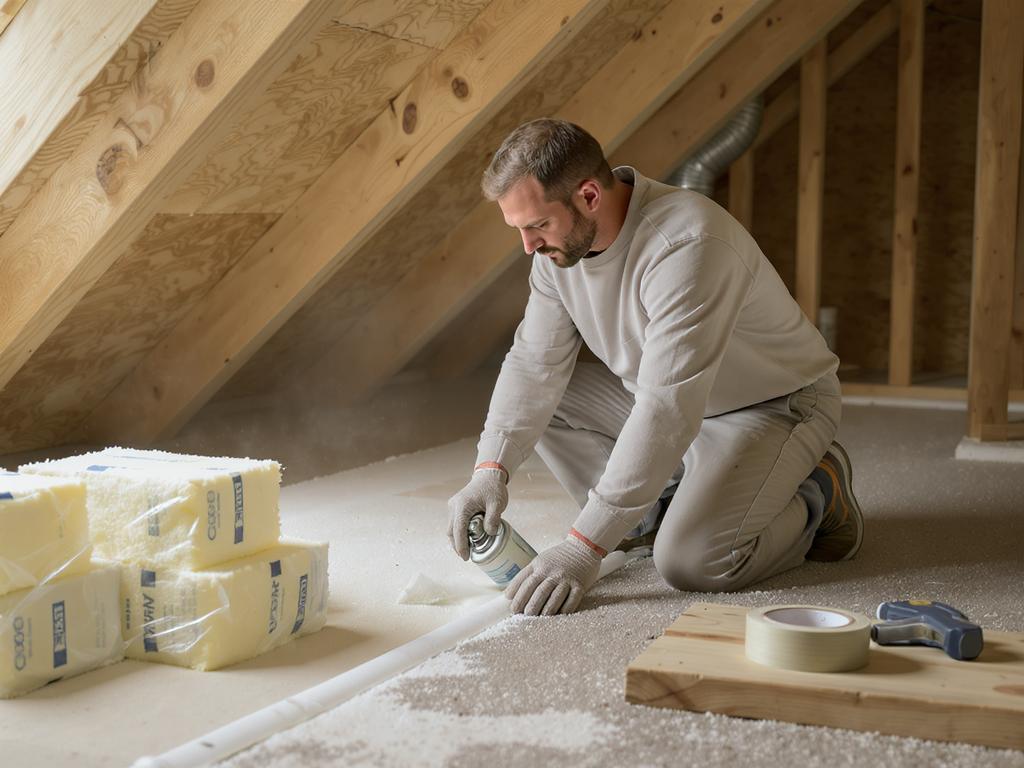
A long-lasting floor starts with a properly prepared base. Whether you plan to install tile, vinyl, laminate, engineered wood, or carpet, the subfloor must be clean, stable, flat, and dry. Begin with a full inspection: remove old coverings, adhesives, nails, and debris, then check for loose boards, hollow spots, and squeaks. Reinforce weak areas, re-screw sheet materials, and replace damaged sections so the surface does not flex under load. Next, verify flatness. Use a straightedge or laser level to identify dips and high points. Grind down ridges and fill low areas with a suitable repair mortar or self-leveling compound (choose products compatible with concrete, plywood, or cement boards). For cracks in concrete, open and clean the crack, then fill with an appropriate repair system; moving or structural cracks may require professional assessment. Moisture control is essential, especially for tile and resilient flooring. Measure moisture in concrete slabs and check wood subfloors for excessive humidity. If readings are high, address the source (leaks, poor ventilation) and use the correct moisture barrier, membrane, or underlayment recommended by the flooring manufacturer. Finish by vacuuming thoroughly and applying primer where required to improve adhesion and reduce dusting. Confirm expansion gaps, transitions, and door clearances. A carefully prepared substrate prevents tile cracking, adhesive failure, and uneven wear—saving time and money while delivering a smooth, professional result.
Really solid, practical rundown of subfloor prep without a bunch of fluff. The reminders about checking flatness with a straightedge and dealing with moisture before you lay anything down are spot on and probably save people from expensive mistakes. I would’ve loved a quick list of common tools/products by subfloor type, but overall it’s a helpful guide I’ll reference again.
Really helpful guide that lays out the subfloor prep steps in a practical order, especially the reminders about checking flatness with a straightedge and dealing with squeaks before you move on. I also liked the emphasis on moisture testing since that’s the part a lot of DIY articles skip. Only thing I wish it included was a couple concrete examples of acceptable flatness tolerances for different flooring types, but overall it’s a solid checklist to follow.