-
New York, NY
 HI 58° LO 56°
 HI 58° LO 56°
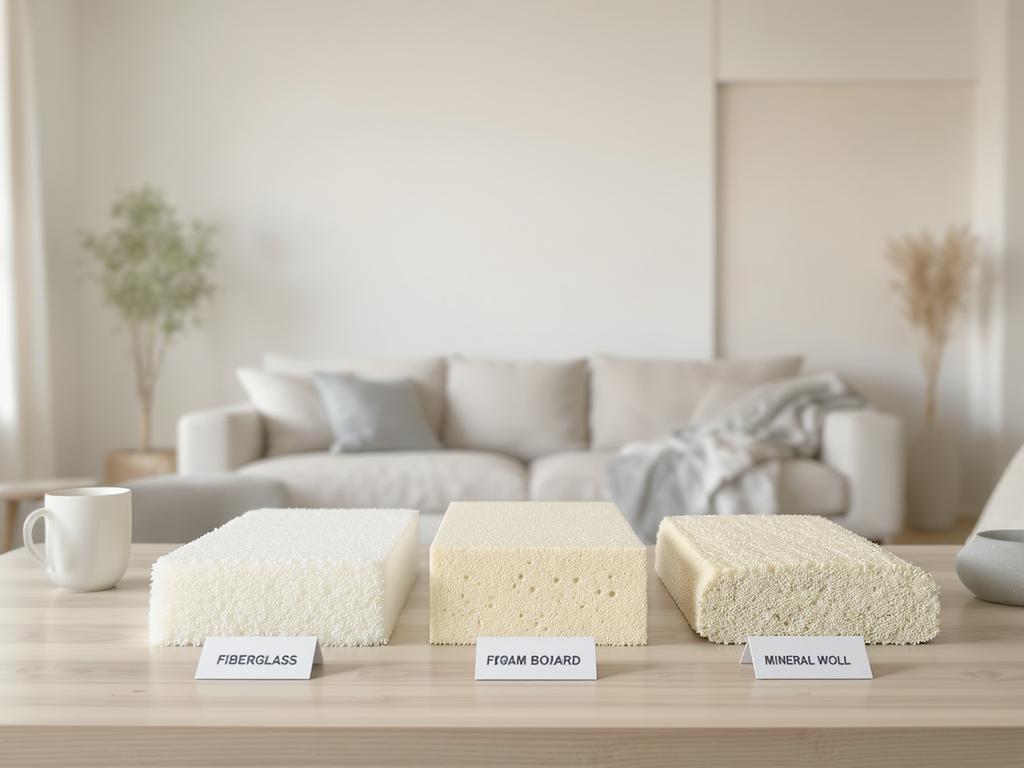
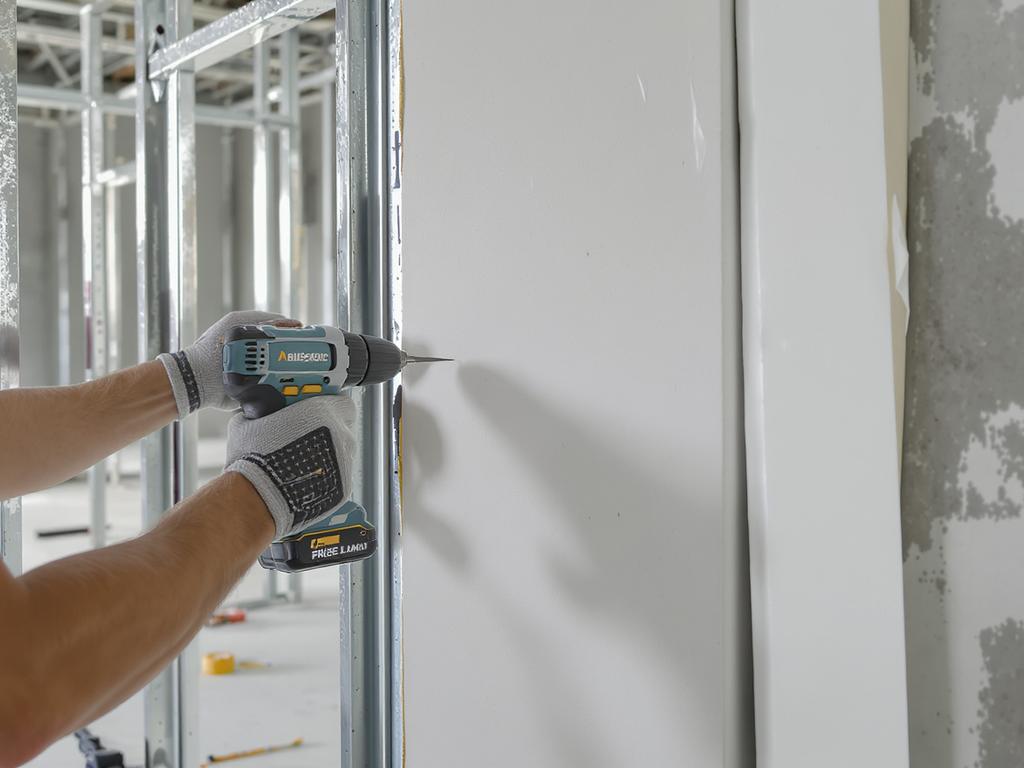
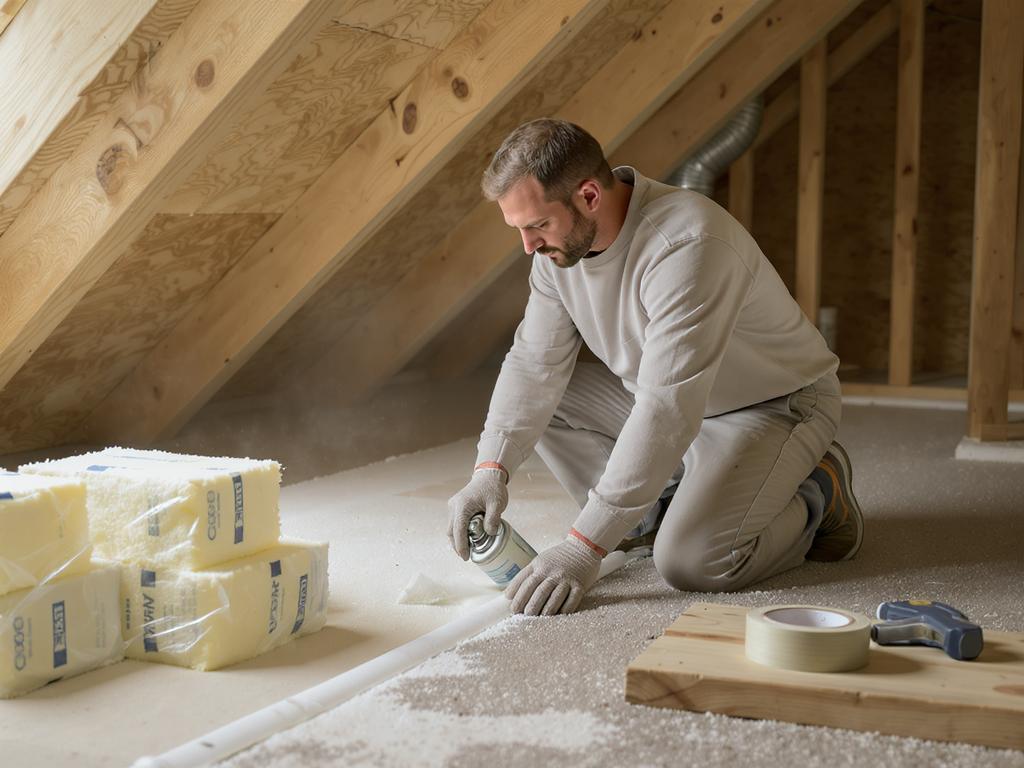
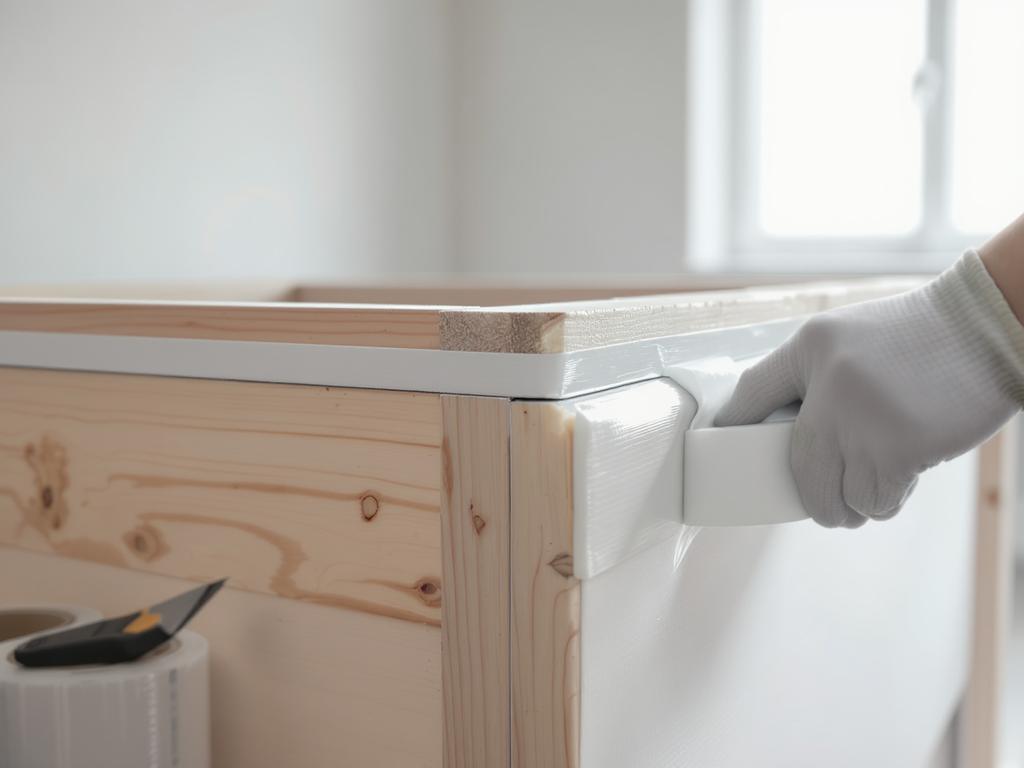
Noise rarely comes from one source—it travels through air gaps, thin partitions, and rigid connections in your home. The most reliable approach combines three principles: add mass, absorb sound, and decouple surfaces. Start with the basics in every room: seal all cracks around outlets, baseboards, windows, and door frames with acoustic sealant. Even small gaps can leak a surprising amount of sound. For walls, upgrade the cavity first. Acoustic mineral wool or dense fiberglass insulation reduces resonance and improves speech privacy without taking extra space. Next, increase mass with an additional layer of drywall. For stronger results, use two layers with a damping compound between them. If you’re renovating, decoupling is a game changer: resilient channels or sound isolation clips reduce vibration transfer from studs to drywall. Ceilings benefit from the same strategy, especially in multi-story homes. Insulate between joists, then hang drywall on isolation clips. For impact noise (footsteps), treat the floor above with underlayment or a floating floor when possible. Doors and windows are common weak points. Add weatherstripping, door sweeps, and consider a solid-core door. Thick curtains help slightly, but proper seals and mass matter more. Finally, tailor solutions by room: bedrooms need sealed doors and upgraded partitions; home offices need speech isolation around outlets and shared walls; living rooms often require ceiling treatment and soft furnishings. Combine these steps and you’ll get measurable, room-by-room quiet.
This guide finally explained soundproofing in a way that makes sense—seal gaps first, then add insulation, mass, and decoupling. I followed the outlet and baseboard sealing tips in my home office and it made a noticeable difference with voices from the hallway. I do wish there were a couple of specific product examples for sealant and clips, but overall it’s a really practical room-by-room breakdown.
This was a really practical guide and I like how it breaks soundproofing down into sealing, adding mass, and decoupling instead of pushing one “magic” product. The reminder about outlets and tiny gaps leaking sound was especially helpful and something I hadn’t considered. I did wish it included a quick cost/effort comparison for options like resilient channel vs. clips, but overall it’s a solid, room-by-room checklist.