-
New York, NY
 HI 58° LO 56°
 HI 58° LO 56°
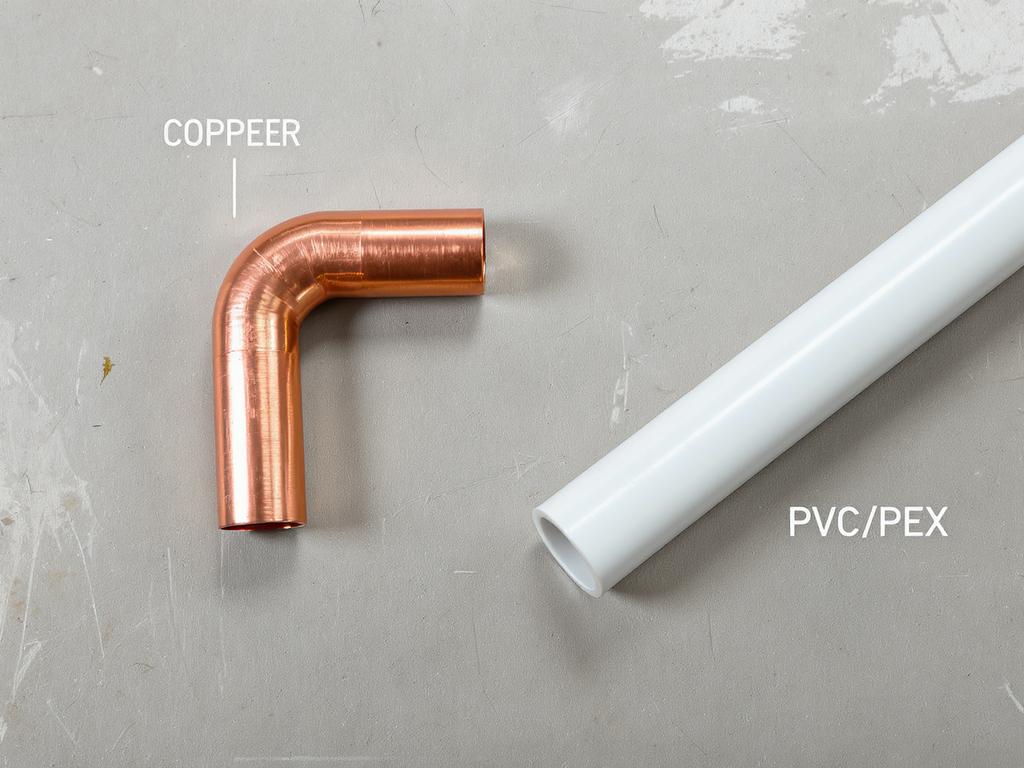
Choosing pipe materials is one of the most important decisions in plumbing and drainage. Copper and plastic (PEX, PVC, CPVC) dominate residential projects, but they excel in different situations. Copper is valued for long service life, high temperature tolerance, and a rigid structure that resists UV exposure and physical damage. It is also less permeable than many plastics, which can be beneficial where odor or chemical migration is a concern. Copper performs well for hot and cold supply lines, especially where pipes run exposed and need to look tidy. However, it is typically more expensive, requires soldering or press fittings, and can be vulnerable to corrosion in aggressive water (low pH, high chlorides) or when mixed metals create galvanic reactions. Plastic supply piping, especially PEX, is popular for fast installations and fewer fittings. It handles freeze-thaw events better than rigid materials, reduces water hammer, and often lowers labor costs. CPVC can be used for hot water in many regions, while PVC is usually reserved for drainage, waste, and vent (DWV) systems rather than potable hot water. For drainage, PVC (or ABS, depending on code) is lightweight, quiet with proper support, and resistant to many household chemicals. Copper DWV exists but is less common due to cost. Best practice: match the material to water quality, local code, temperature/pressure needs, and installation conditions. For long, straight exposed runs, copper can be ideal; for remodels, tight spaces, and faster labor, plastic often wins. Consult a licensed plumber to confirm compatibility and code compliance.
This was a really helpful breakdown of where copper still makes sense versus when PEX/PVC is the smarter choice. I appreciated the mention of water chemistry and galvanic corrosion since that gets glossed over a lot in “copper vs plastic” debates. The only thing I wished for was a quick note on typical lifespans or failure points for PEX and CPVC, but overall it’s a solid, practical guide.
Nice, straightforward breakdown of when copper makes sense versus PEX/PVC, especially the note about water chemistry and galvanic corrosion. I appreciated that it didn’t oversell one option and actually mentioned code and real-world install conditions. Would’ve liked a quick callout on typical lifespan expectations for PEX vs copper, but overall this was helpful.