-
New York, NY
 HI 58° LO 56°
 HI 58° LO 56°
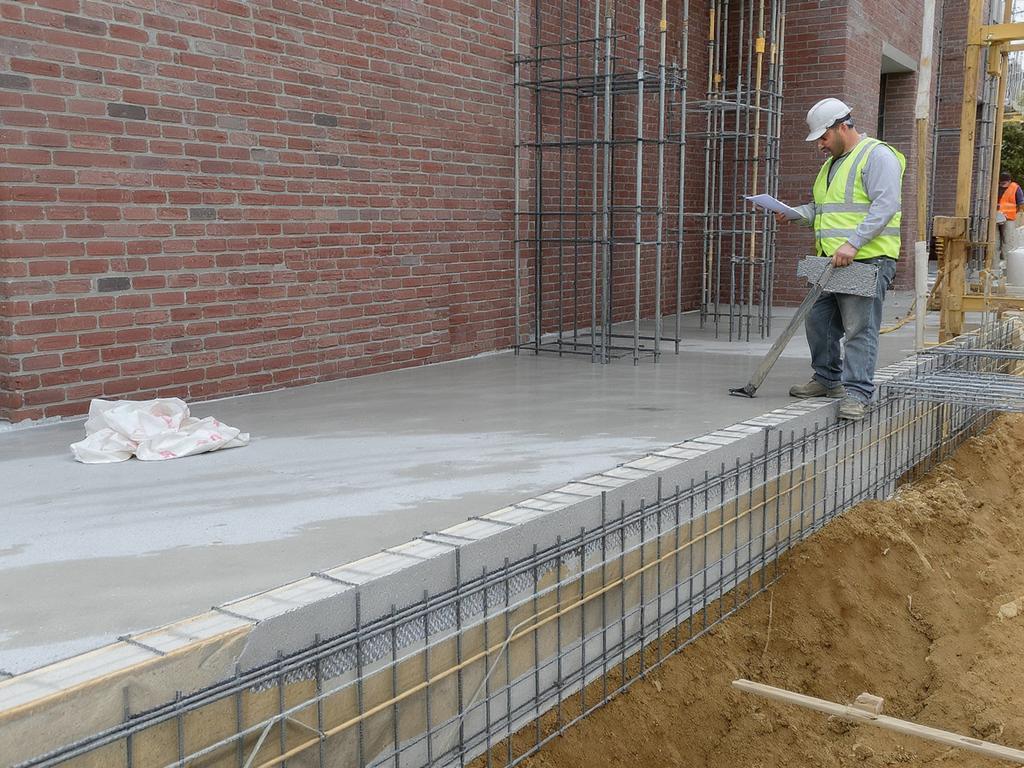
Modern concreting is no longer only about mixing cement, sand, and water. Today’s concrete and masonry projects rely on technologies that improve workability, speed, and long-term durability—especially in demanding climates and heavily loaded structures. One of the most impactful innovations is advanced mix design using chemical admixtures. Superplasticizers allow high strength with lower water content, while air-entraining agents increase freeze–thaw resistance. Mineral additives such as fly ash, slag, and silica fume refine the pore structure, reduce permeability, and enhance resistance to chlorides and sulfates—critical for bridges, parking structures, and coastal buildings. Self-compacting concrete (SCC) simplifies placement in congested reinforcement zones, reducing voids and honeycombing without intensive vibration. For fast schedules, rapid-hardening binders and controlled curing systems help achieve early strength while limiting shrinkage cracking. Structural strengthening technologies have also evolved. Fiber-reinforced concrete improves crack control and impact resistance. Shotcrete is widely used for tunnel linings, slope stabilization, and repair works where formwork is difficult. For existing structures, injection grouting and epoxy crack repair restore continuity and reduce water ingress. Externally bonded FRP (carbon or glass fiber) laminates and wraps increase flexural and shear capacity with minimal added weight. In masonry, bed-joint reinforcement, anchor systems, and grout injection improve integrity and seismic performance. A modern approach combines testing, diagnostics, and proper detailing: corrosion protection, moisture management, and quality curing are as important as the chosen material. When applied correctly, these technologies extend service life, reduce maintenance costs, and deliver safer, more resilient concrete and masonry structures.
This was a solid overview of what’s actually changed in concrete work beyond the basics. I liked that it didn’t just name-drop SCC and FRP, but explained where they make a difference (freeze–thaw, chloride exposure, tight rebar, etc.). It’s a bit broad if you’re looking for step-by-step guidance, but as a quick practical primer it’s really useful.
I found this write-up really helpful, especially the way it breaks down admixtures and SCC in plain terms without dumbing it down. The sections on FRP wraps and epoxy crack repair were a good refresher and felt practical for anyone dealing with existing structures. I do wish there were a couple real-world examples or quick cost/when-to-use notes, but overall it’s solid and easy to follow.