-
New York, NY
 HI 58° LO 56°
 HI 58° LO 56°
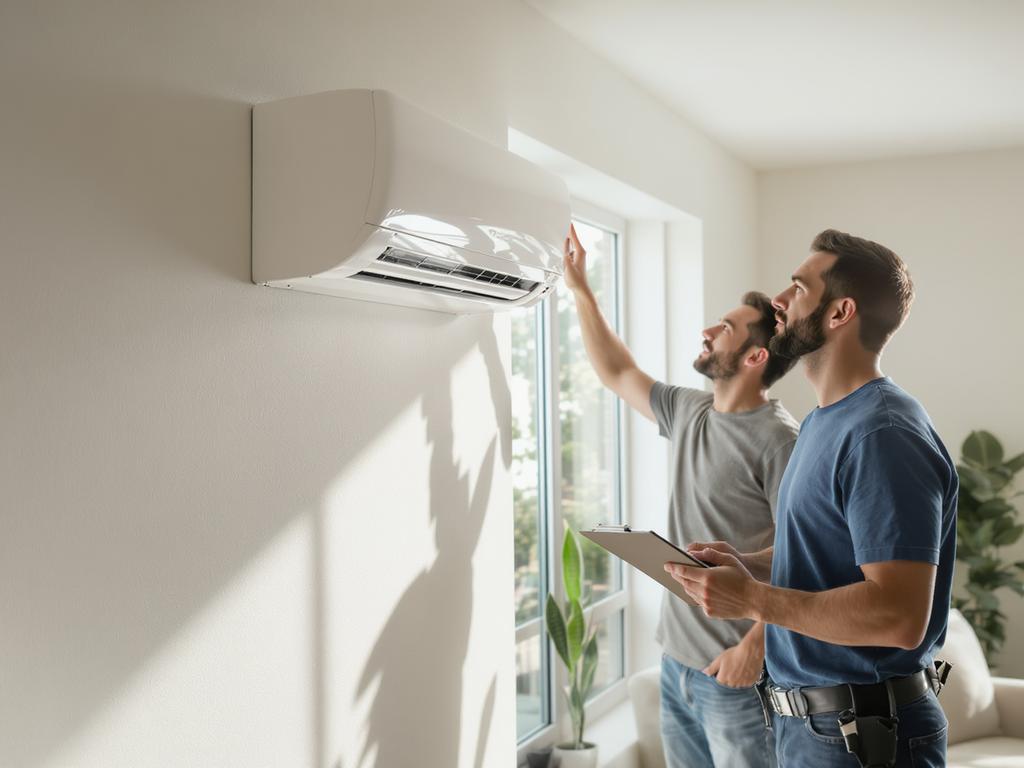
Los Angeles heat is not just a number on a weather app—many homes feel it most in the late afternoon, when sun-warmed walls and west-facing windows keep rooms hot even after sunset. A reliable HVAC system is what turns that “can’t sleep” evening into a normal night. This guide is a practical, real-life checklist for choosing and installing the most reliable air conditioner brands in LA, so you get comfort, quiet operation, and lower surprise repair costs.
In Los Angeles, the most common options are:
In the field, reliability is a mix of build quality, parts availability, and installer support. In Los Angeles, it matters whether local distributors stock common components (capacitors, boards, fan motors) and whether authorized service is easy to schedule. Many homeowners learn this only when a unit fails during a heatwave and the earliest service appointment is two weeks out.
Contractors in Los Angeles frequently install equipment from major manufacturers with strong dealer networks. Depending on the product line and model, you’ll often encounter Trane, Carrier, Lennox, Rheem, Goodman, and ductless-focused brands like Mitsubishi Electric and Daikin. The most important point: even a top brand can perform poorly if it’s oversized, installed with incorrect refrigerant charge, or paired with leaky ducts.
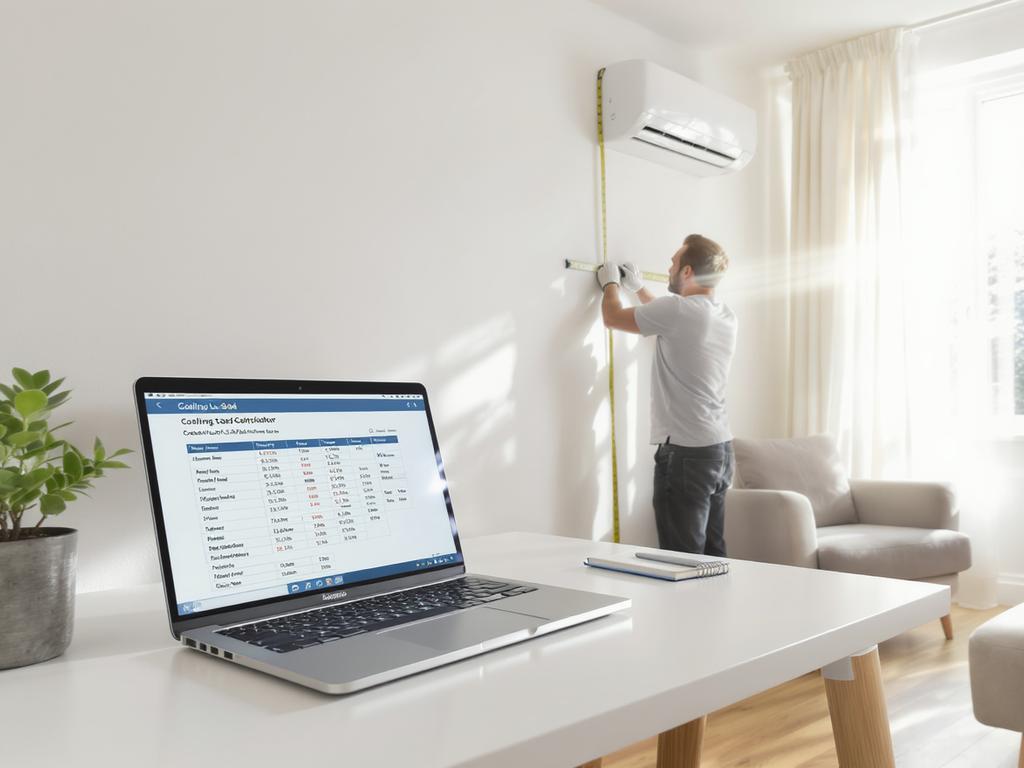
A common real-world issue in Los Angeles is oversizing “for extra cold.” Oversized systems can short-cycle (turn on/off too often), leaving humidity and temperature uneven—especially in coastal areas. Ask your contractor for a proper load calculation (often called Manual J). It’s not just paperwork; it’s how you avoid paying for capacity you don’t need.
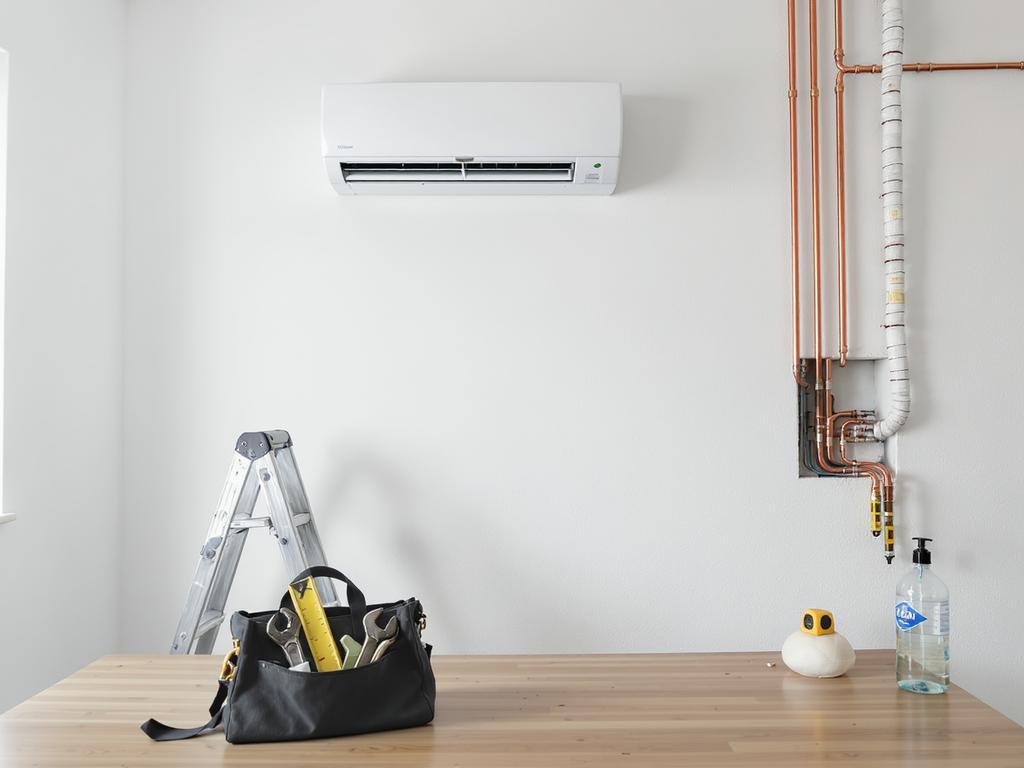
For a dependable install, confirm these basics:
Many premium warranties require registration and basic maintenance. In real homes, the most common preventable failures come from clogged filters and dirty outdoor coils. A simple habit—changing filters on schedule and doing a professional check before summer—often does more for long-term reliability than chasing the “highest-end” model.
In Los Angeles, the best HVAC decision is the one that matches your home, your climate zone, and your daily routine. Choose a proven brand with strong local support, demand proper sizing, and treat installation quality as the main feature. Done right, your air conditioning won’t be a monthly worry—it’ll just work when the next heatwave arrives.