-
New York, NY
 HI 58° LO 56°
 HI 58° LO 56°
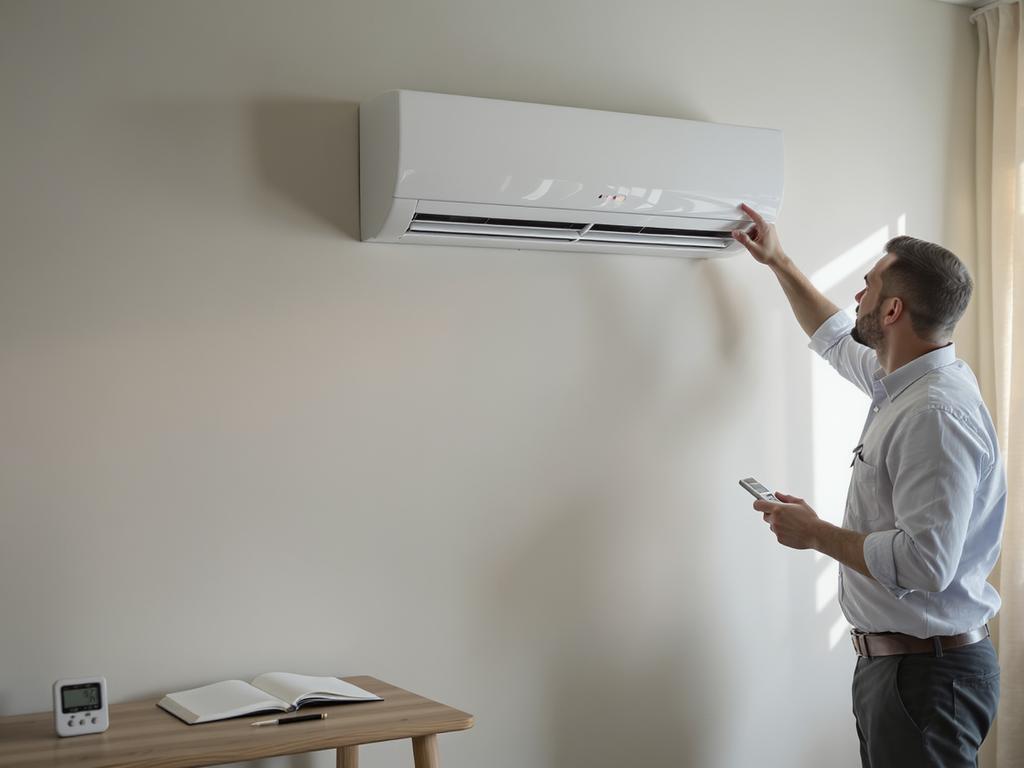
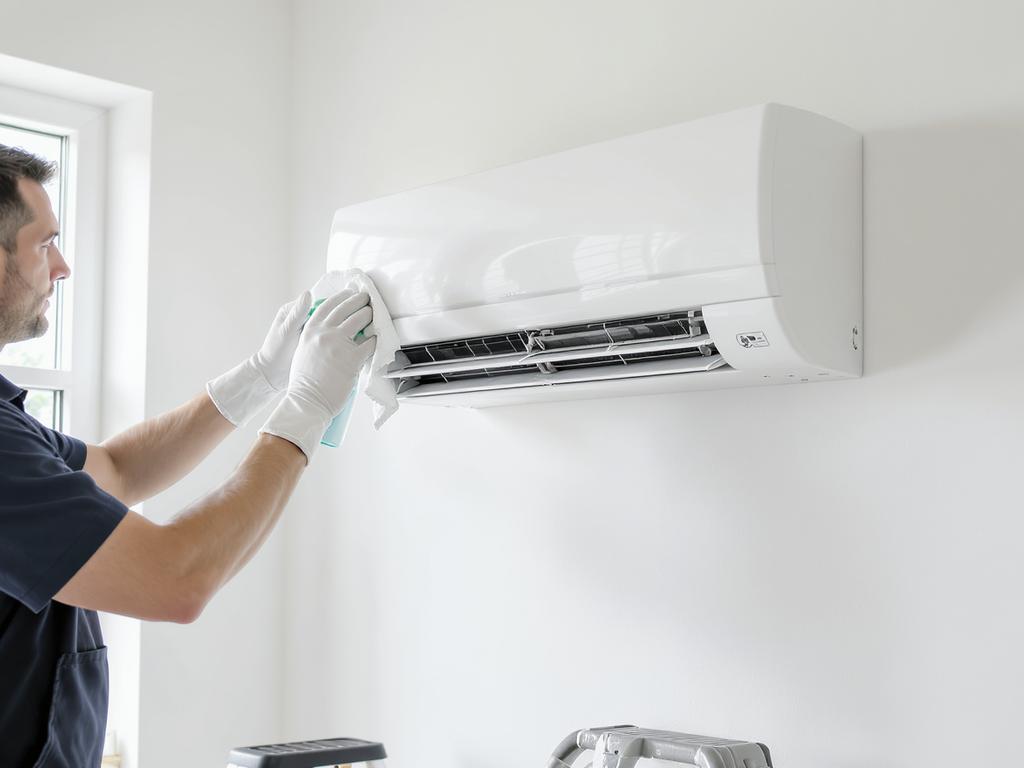
Air conditioners are designed to run quietly and consistently, but even reliable systems can develop issues over time. This guide to HVAC & air conditioning covers the most common air conditioner problems and practical solutions you can use to restore comfort, reduce energy waste, and avoid unnecessary breakdowns. 1) The AC is running but not cooling This is one of the most frequent complaints. Start with the basics: check the thermostat mode (cool) and temperature setpoint. Then inspect the air filter—if it’s clogged, airflow drops and cooling performance falls. Replace or clean the filter and ensure all supply/return vents are open. If the problem persists, the outdoor condenser may be dirty or blocked by debris; gently clean around the unit and keep at least 60 cm of clearance. Continued poor cooling can indicate low refrigerant due to a leak, a failing capacitor, or compressor issues—these require a certified technician. 2) Weak airflow from vents Weak airflow is usually caused by a dirty filter, blocked vents, or a struggling blower fan. Confirm the fan is set to “auto” or “on” as needed, and check for furniture obstructing vents. If airflow is still low, the evaporator coil may be dirty or icing up, and ductwork may have leaks or collapsed sections. Coil cleaning and duct repairs are best handled by professionals. 3) AC leaking water indoors Water leakage typically comes from a clogged condensate drain line or a full drain pan. Turn the system off to prevent damage. If accessible, clear the drain line with a wet/dry vacuum at the drain outlet and flush with a mild solution. Also ensure the unit is level. Persistent leaks may be caused by frozen coils melting or a cracked drain pan. 4) Ice on the indoor coil (freezing up) Ice indicates restricted airflow (dirty filter, blocked vents, dirty coil) or refrigerant problems. Switch the system off and run “fan only” to thaw. Replace the filter and check vents. If icing returns, a technician should measure refrigerant pressure and inspect for leaks. 5) Unusual noises: buzzing, rattling, grinding Rattling can be loose panels or debris in the outdoor unit. Buzzing may point to electrical issues, a failing contactor, or loose wiring. Grinding or squealing often indicates motor bearing problems or belt issues (older systems). Because electrical and motor faults can worsen quickly, schedule service if noises persist after basic checks. 6) Bad odors from the AC A musty smell often means mold or bacteria on the evaporator coil or in the drain pan. Replace the filter and consider professional coil cleaning. A burning smell can be electrical—turn the unit off and call for service. 7) Short cycling (turning on and off frequently) Short cycling wastes energy and stresses components. Common causes include an oversized system, dirty filter, thermostat placement issues (sunlight or heat sources), or refrigerant/coil problems. Start by replacing the filter and verifying thermostat settings; if it continues, request a full diagnostic. Prevention tips Regular maintenance is the best “solution”: change filters every 1–3 months, keep the outdoor unit clean, and schedule professional inspections seasonally. These steps improve efficiency, extend equipment life, and reduce the chance of surprise failures during peak heat.
This guide was a solid, practical rundown of the stuff homeowners actually run into, especially the reminders to check thermostat settings and swap the filter before assuming the worst. I liked that it clearly calls out when it’s time to stop DIY-ing and call a licensed tech (refrigerant/compressor issues). Would’ve been even better with a quick note on how often to change filters based on pets or allergies, but overall it’s useful and easy to follow.
This guide was a solid quick read and hit most of the stuff homeowners actually run into, like clogged filters, frozen coils, and condensate drain issues. I liked that it calls out what you can safely check first versus when you should bring in a licensed tech (refrigerant/compressor). Only thing I wanted a bit more detail on was how to clear the drain line safely without damaging anything, but overall it’s practical and easy to follow.