IMG-LOGO

HVAC & Air Conditioning Guides: Common Air Conditioner Problems and Real-Life Fixes

HVAC & Air Conditioning - March 11, 2026, 7:22 a.m.
IMG

Common Air Conditioner Problems and Solutions (Real-Life Guide)

Even a well-installed HVAC & air conditioning system can misbehave during the hottest weeks of the year. In real homes and apartments, most breakdowns start with small symptoms: warmer air from the vents, a strange smell after turning the unit on, or a puddle of water near the indoor unit. Below is a practical guide to the most frequent issues people face and what usually solves them.

1) The AC is running but not cooling

What it feels like: The fan works, but the room stays warm.

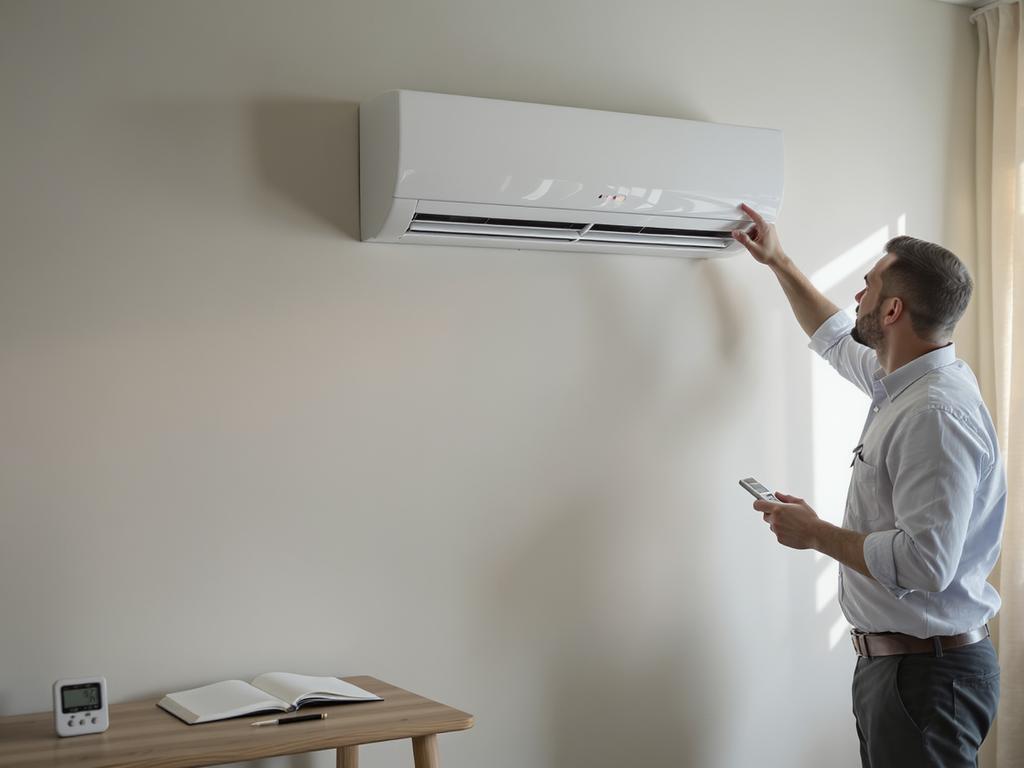
  • Check the air filter: A clogged filter is one of the most common causes. In real life, many filters are forgotten for an entire season. Replace or wash it (if reusable).
  • Thermostat settings: Make sure it’s set to Cool and the temperature is below the current room temperature. Replace batteries if the display is weak.
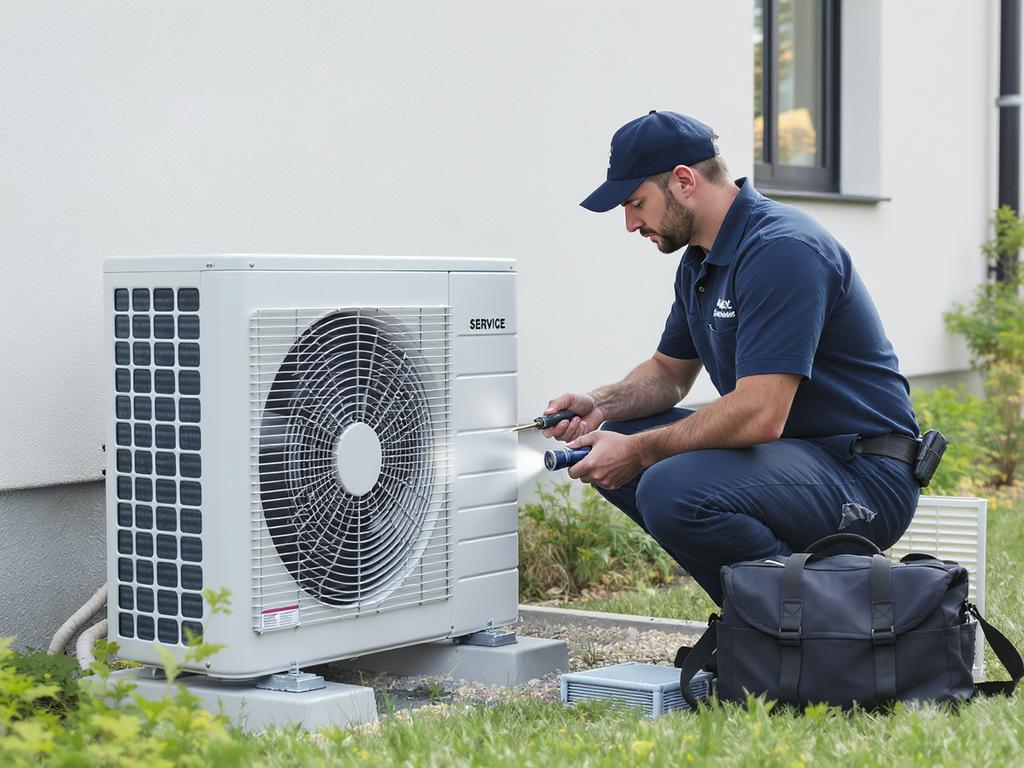
  • Outdoor unit condition: Leaves and dust can block airflow. Turn power off and gently clear debris around the condenser.
  • When to call a pro: If airflow is fine but cooling is weak, refrigerant issues or a failing compressor may be involved.

2) Weak airflow from vents

Common in: Apartments with long duct runs or systems that haven’t been serviced.

  • Dirty filter or blocked return grille: Vacuum the grille and replace the filter.
  • Closed or blocked vents: Furniture or curtains often cover vents in bedrooms.
  • Duct leaks: If some rooms are always warmer, duct leakage or poor insulation can be the cause. A technician can test static pressure and inspect ducts.

3) Water leaking indoors

What you see: Drips near the indoor unit or water stains on the wall.

  • Clogged condensate drain: This is a real-life classic—dust + moisture forms sludge. If accessible, carefully clean the drain line or drain pan. Many homeowners use a wet/dry vacuum on the outside drain outlet.
  • Frozen coil thawing: If the evaporator coil froze earlier, melting ice can overflow the pan. Address the reason for freezing (filter, airflow, refrigerant).
  • Call a pro if: Leaks return quickly or you notice moldy smells or ceiling damage.

4) Ice on the indoor coil (freezing)

Typical scenario: After running the AC all day, airflow drops and you see frost.

  • Turn the system off: Let it thaw completely to prevent damage.
  • Replace the filter and check vents: Restricted airflow is the #1 trigger.
  • Professional check: Low refrigerant or a faulty blower motor can also cause freezing.

5) Unusual noises: rattling, buzzing, clicking

  • Rattling: Often a loose panel screw or debris in the outdoor unit (small sticks, leaves).
  • Buzzing: Can point to electrical issues (contactor, capacitor). These parts should be handled by a licensed technician.
  • Clicking: A repeated click without starting may mean a failing capacitor or control problem.

6) Bad smells: musty, sour, burning

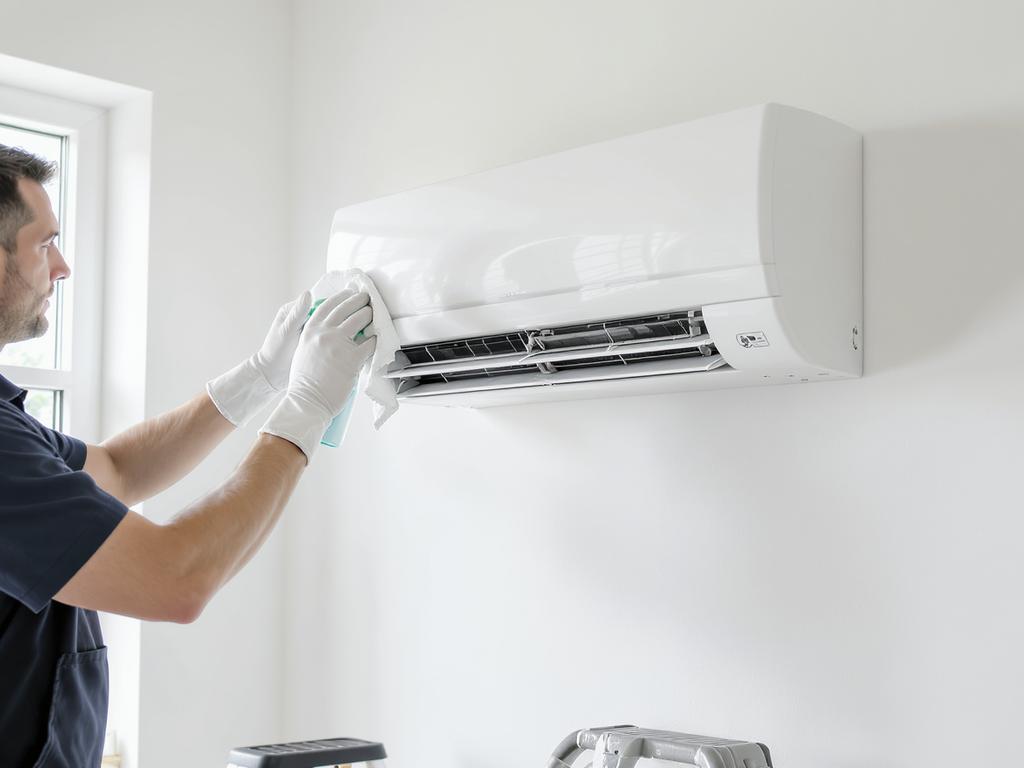
  • Musty smell: Usually moisture and biofilm in the drain pan or on the coil. Regular filter changes and coil cleaning help.
  • Burning smell: Turn the unit off and inspect for overheating, wiring issues, or a motor problem. If it persists, call service.

Simple maintenance that prevents most issues

In everyday use, the best results come from small routines: change filters every 1–3 months, keep the outdoor unit clear, and schedule a seasonal inspection before peak summer demand. These steps don’t just prevent breakdowns—they also reduce energy waste and help the system cool faster and more evenly.

Safety note: Always shut off power before touching panels or cleaning near electrical components. If you suspect refrigerant or electrical failure, professional HVAC service is the safest and most reliable solution.

Reviews (2)

MH
Megan H. 09 Mar 2026
4.4

This guide was a solid, practical rundown of the stuff homeowners actually run into, especially the reminders to check thermostat settings and swap the filter before assuming the worst. I liked that it clearly calls out when it’s time to stop DIY-ing and call a licensed tech (refrigerant/compressor issues). Would’ve been even better with a quick note on how often to change filters based on pets or allergies, but overall it’s useful and easy to follow.

MD
Megan D. 09 Mar 2026
4.4

This guide was a solid quick read and hit most of the stuff homeowners actually run into, like clogged filters, frozen coils, and condensate drain issues. I liked that it calls out what you can safely check first versus when you should bring in a licensed tech (refrigerant/compressor). Only thing I wanted a bit more detail on was how to clear the drain line safely without damaging anything, but overall it’s practical and easy to follow.
Similars

Interesting Blogs