-
New York, NY
 HI 58° LO 56°
 HI 58° LO 56°
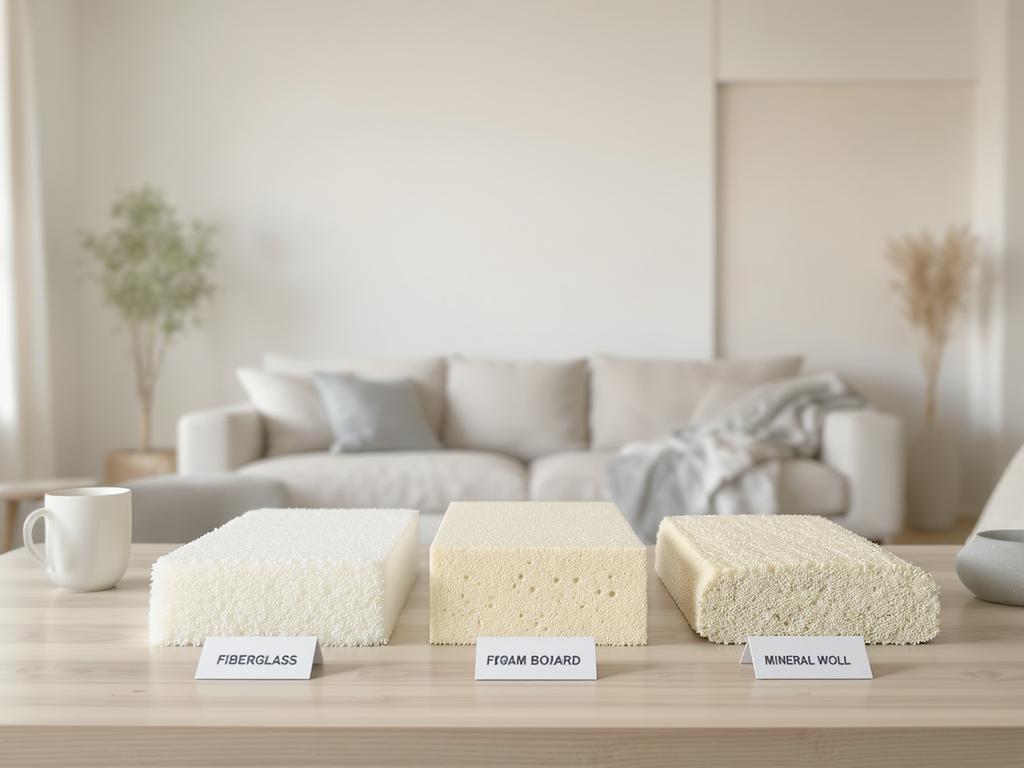
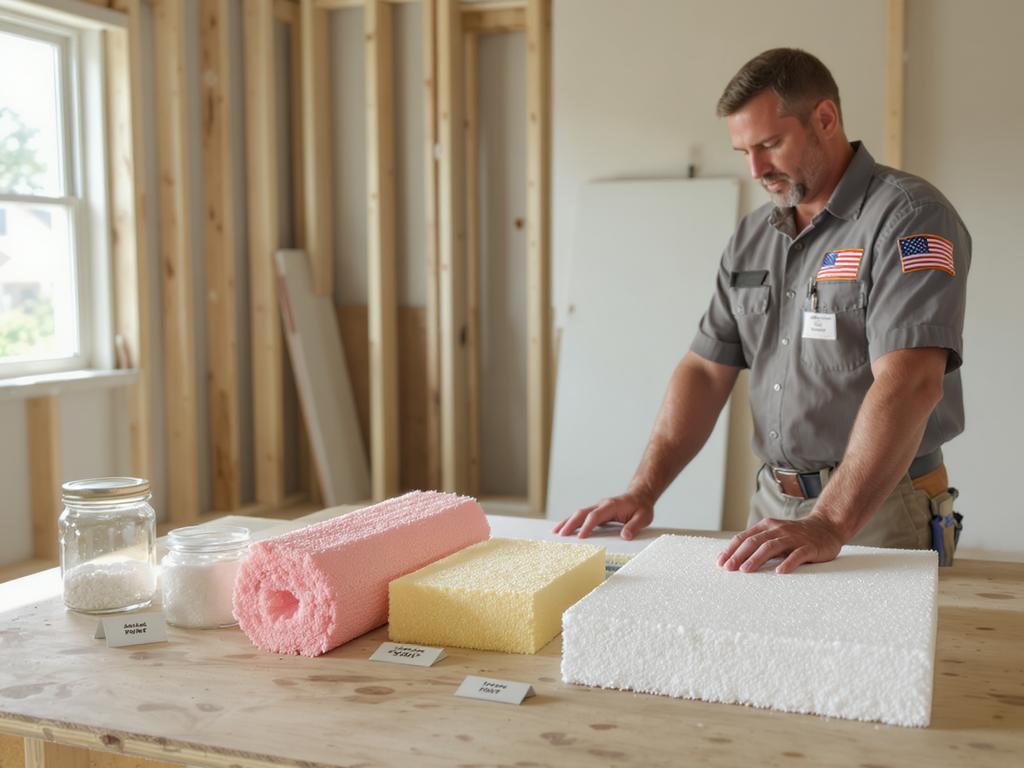
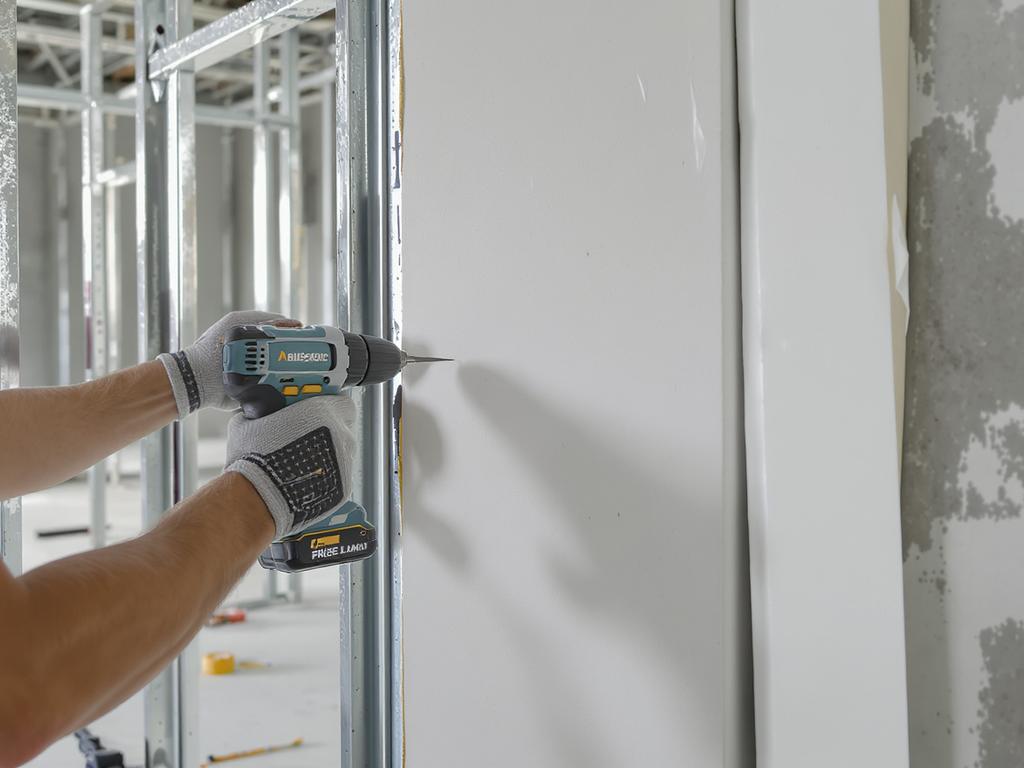
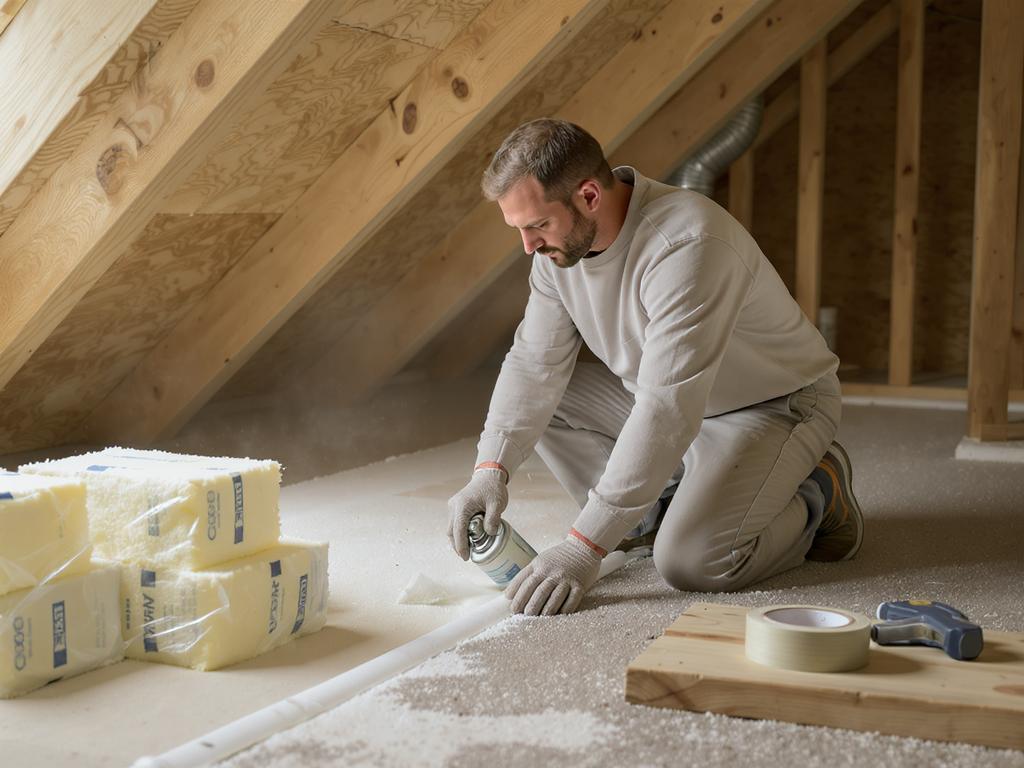
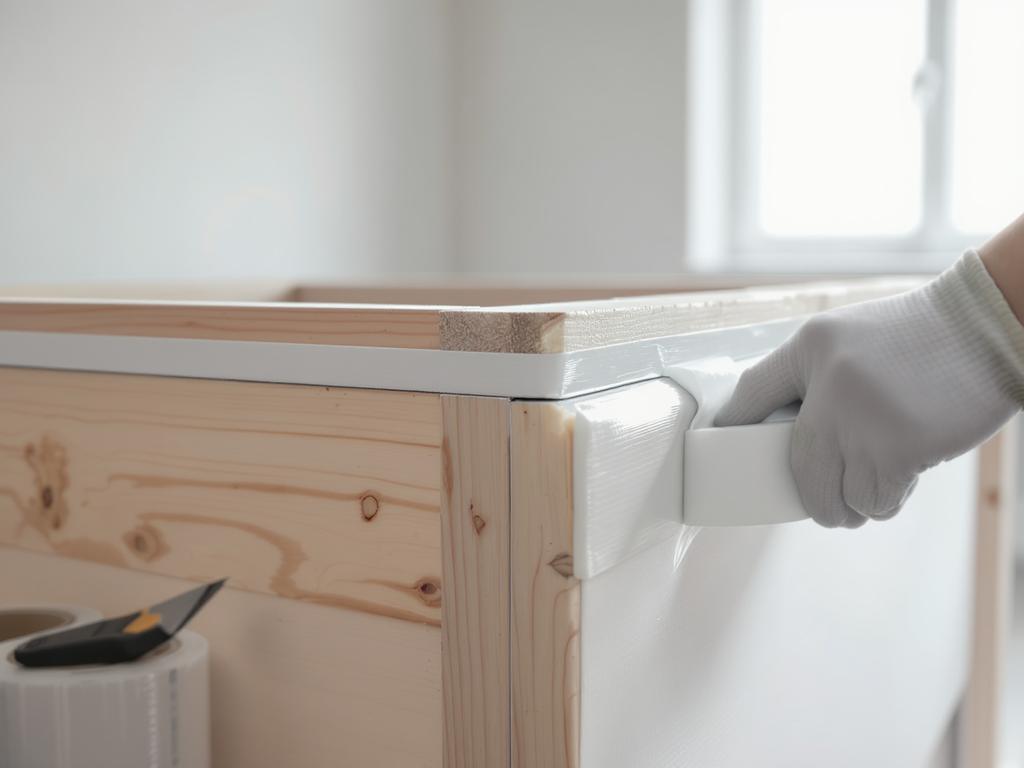
Choosing the right insulation is one of the smartest upgrades you can make, improving comfort, reducing energy bills, and helping your drywall system perform better over time. Start by defining your goal: thermal efficiency, sound reduction, moisture resistance, or a balance of all three. Then evaluate where it will be installed—attic, exterior walls, basement, or interior partitions—because each area has different risks and requirements. The most common options include mineral wool (rock wool), fiberglass batts, rigid foam boards (EPS/XPS), spray foam, and cellulose. Mineral wool is excellent for fire resistance and sound control, making it ideal for stud walls behind drywall. Fiberglass is budget-friendly and widely available, but it must be installed carefully to avoid gaps and compression. Rigid foam (EPS/XPS) offers high performance in limited space and works well on basements and exterior sheathing; pay attention to thickness and vapor permeability. Spray foam provides strong air sealing and high R-values, but costs more and requires professional installation. Cellulose is a greener choice and can perform well in enclosed cavities when properly dense-packed. Key factors to compare are R-value (thermal resistance), air sealing capability, moisture behavior, fire rating, and acoustics. In humid or mixed climates, controlling moisture is critical: use appropriate vapor retarders, ensure ventilation, and avoid trapping water behind drywall. Proper installation matters as much as material—seal penetrations, fit batts snugly, and maintain continuous coverage at corners and around windows. Finally, coordinate insulation with your drywall plan: confirm stud spacing, add resilient channels or acoustic sealant for noise control, and choose moisture-resistant drywall for bathrooms or basements. With the right insulation system, your walls will be warmer, quieter, and more durable.
This guide was a solid refresher before I started redoing the insulation behind new drywall in our guest room. I liked that it breaks things down by location (attic vs. basement vs. walls) and calls out moisture and vapor permeability instead of just chasing the highest R-value. The section on mineral wool for sound control and the reminders about avoiding gaps/compression with fiberglass were especially helpful. I would’ve loved a quick rule-of-thumb chart comparing costs and R-values, but overall it’s practical and easy to follow.
This guide did a nice job breaking down insulation choices without making it feel overly technical. I liked that it didn’t just list materials, but explained where each one makes the most sense (especially the moisture notes for basements and bathrooms). Would’ve been even better with a quick comparison table of R-values and typical costs, but overall it was genuinely helpful.