-
New York, NY
 HI 58° LO 56°
 HI 58° LO 56°
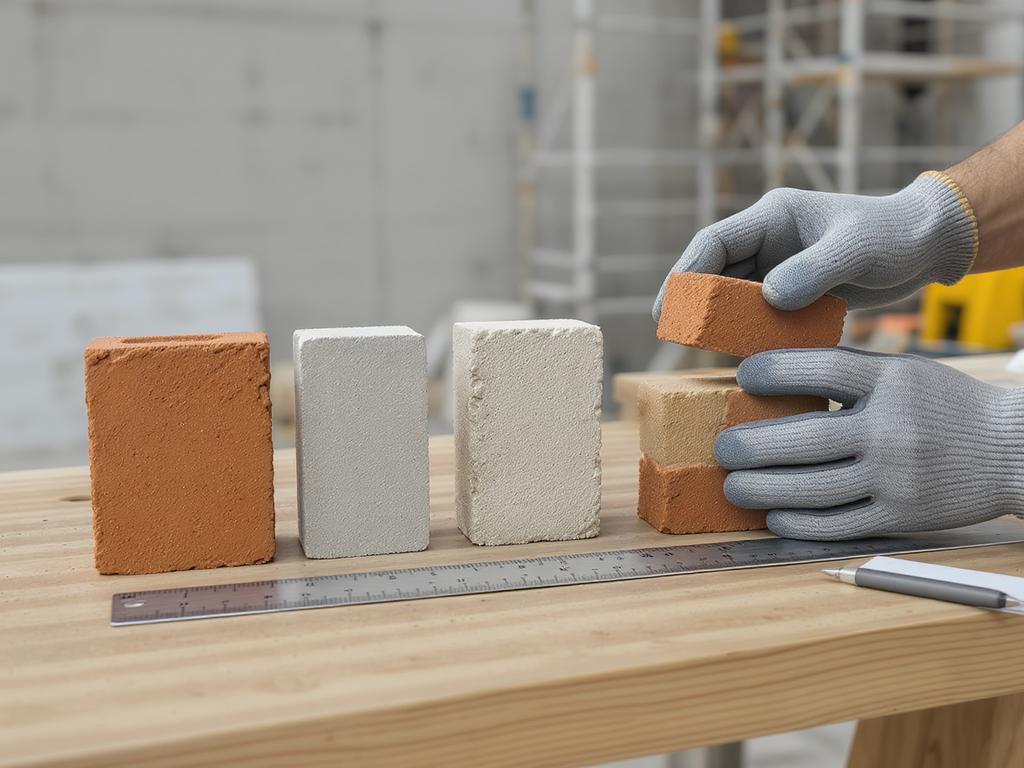
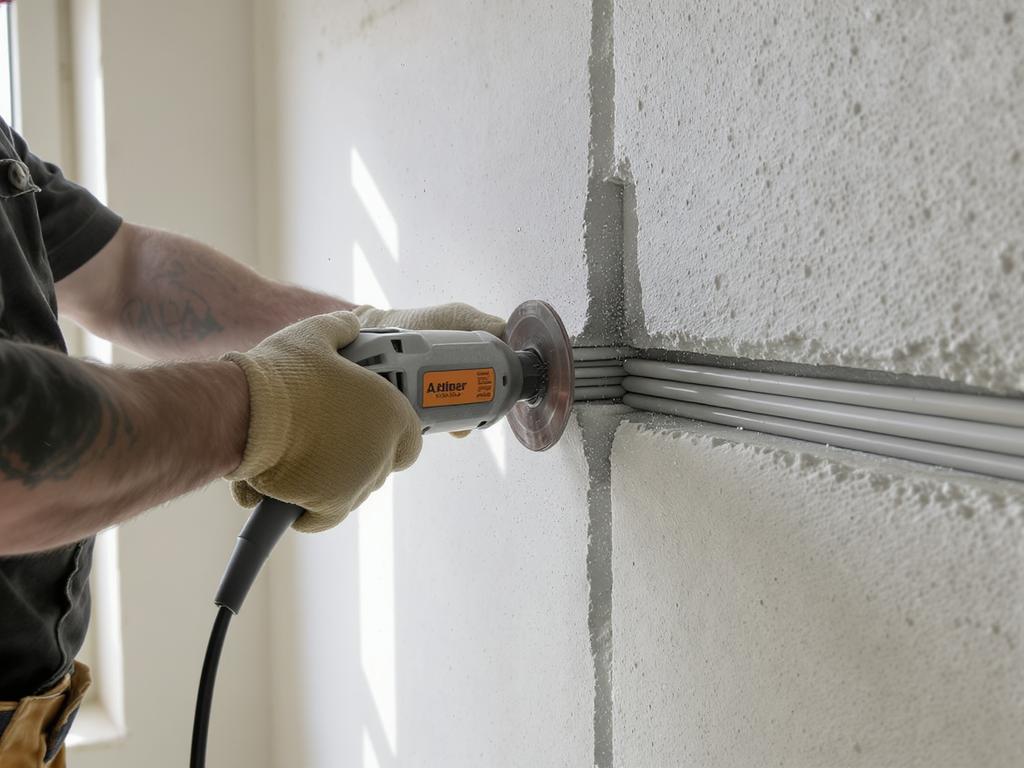
Choosing reliable brick and block materials is the foundation of durable masonry. Start by defining the application: load-bearing walls, partitions, facades, chimneys, or landscaping. For structural work, prioritize certified products with documented compressive strength (e.g., higher grades for bearing walls). Ask the supplier for test reports or declarations of performance and verify the manufacturing batch. Inspect geometry and consistency. Quality bricks and blocks have stable dimensions, sharp edges (where required), and minimal warping—this directly affects mortar consumption and wall alignment. Check for visible defects: deep cracks, crumbling corners, uneven firing (for clay brick), large void breakouts, or excessive chips. A few minor chips may be acceptable, but widespread damage indicates poor handling or weak material. Water absorption and freeze-thaw resistance are critical outdoors. Materials with high absorption can lead to efflorescence, spalling, and faster deterioration in wet climates. For exterior walls and foundations, select products rated for freeze-thaw cycles and suited to local weather conditions. Also consider density and thermal performance: heavier units often provide higher strength and sound insulation, while lighter aerated blocks improve insulation but require correct fasteners and protective finishes. Pay attention to void ratio and type. Hollow bricks and blocks reduce weight and improve insulation, but must match the design loads. For areas requiring anchoring (railings, cabinets), confirm compatibility with anchors and choose appropriate block types. Finally, evaluate logistics and storage: pallets should be intact, units banded, and materials kept dry. Buy from reputable suppliers with stable production, clear labeling, and consistent color and texture across batches. A careful selection process saves money on mortar, labor, repairs, and ensures your masonry performs for decades.
This was a really helpful rundown of what to look for when buying brick and block, especially the reminders about asking for test reports and checking the batch. I liked the practical stuff on geometry/warping since that’s exactly what ends up costing you time and mortar on a job. Would’ve been even better with a quick checklist at the end, but overall it’s solid advice.
This was a really practical guide that hits the stuff people actually mess up, like checking batch paperwork and looking for consistent geometry before you buy a whole pallet. I especially liked the reminders about water absorption and freeze-thaw ratings since that’s a big deal in a lot of the U.S. Only thing I wished for was a quick checklist at the end, but overall it’s solid advice and easy to follow.