-
New York, NY
 HI 58° LO 56°
 HI 58° LO 56°
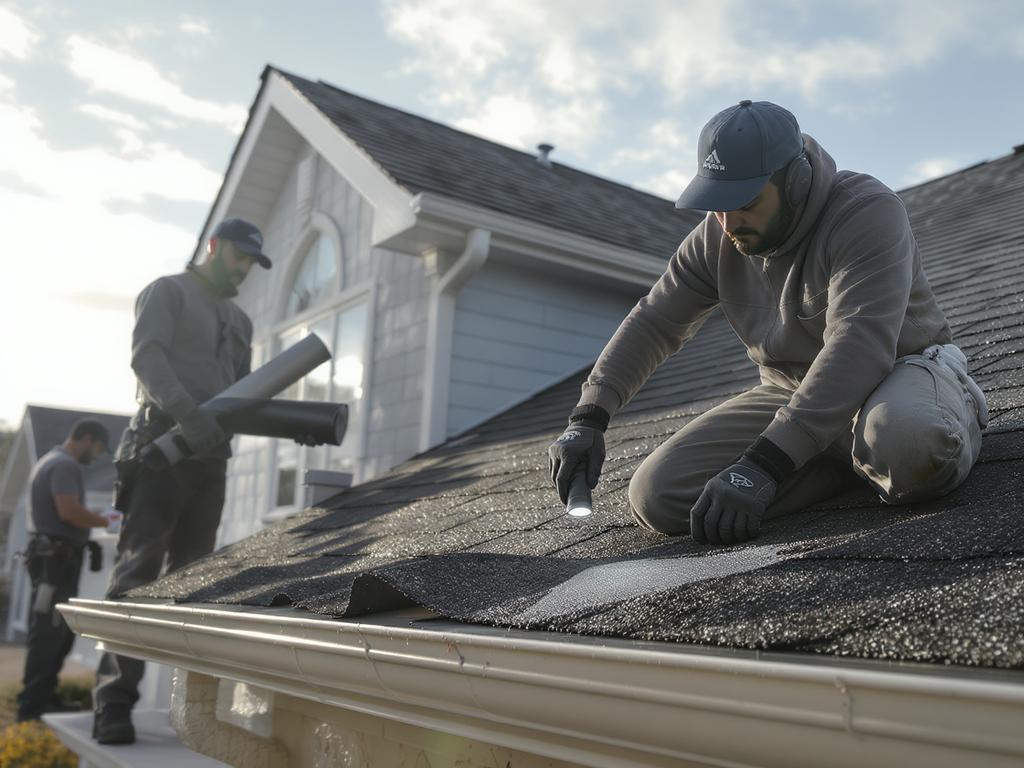
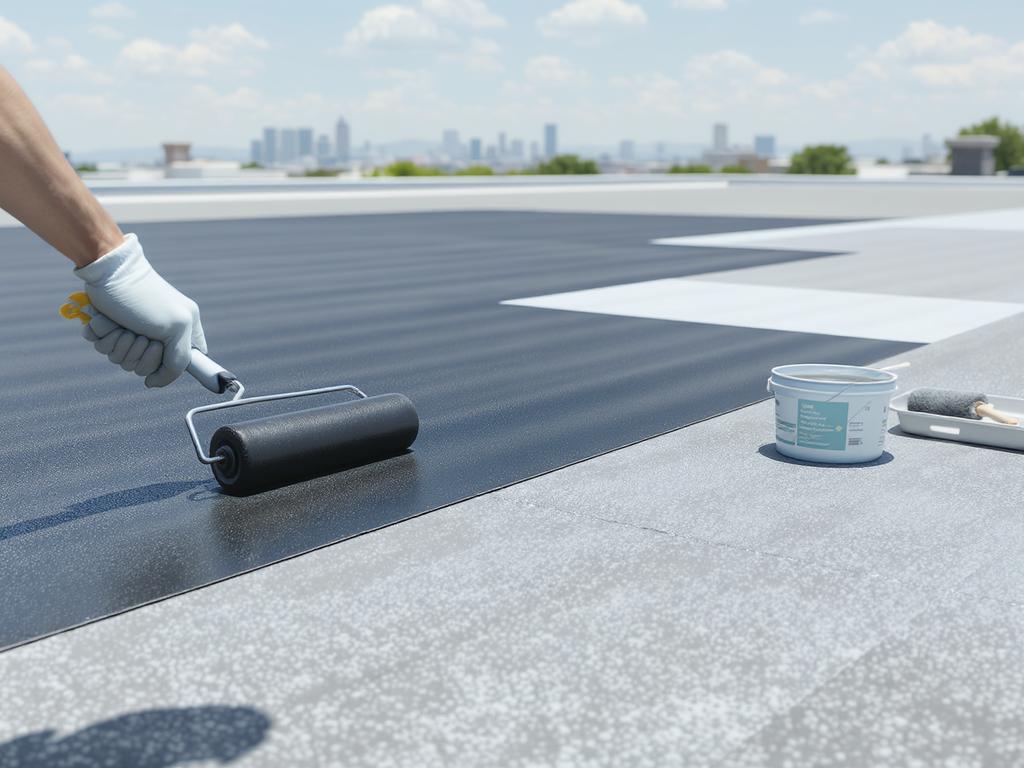
Reliable roofing starts with routine inspection and timely repairs. This guide to roofing & waterproofing focuses on roof system repair and ongoing maintenance to reduce leaks, extend service life, and protect your property from moisture damage. Begin with a seasonal roof check (spring and autumn) and after severe weather. Look for cracked or missing shingles/tiles, punctures in membranes, lifted seams, clogged gutters, damaged fascia, and worn sealant around vents, skylights, and chimneys. Inside the building, staining, moldy odors, or damp insulation often indicate a hidden leak path. For pitched roofs, common repairs include replacing broken shingles, renewing ridge caps, fixing underlayment issues, and restoring flashing at valleys and penetrations. For flat roofs, prioritize membrane integrity: patch cuts and blisters, reinforce seams, and ensure proper drainage to prevent ponding water. Waterproofing measures may include liquid-applied coatings, bituminous membranes, EPDM/TPO/PVC repairs, and detailing work around parapets and drains. Preventive maintenance is the most cost-effective strategy. Keep gutters and downspouts clear, remove debris that traps moisture, trim overhanging branches, and address small defects before they spread. Document inspections, take photos, and schedule professional assessments when you notice repeated leaks, sagging, or widespread deterioration. With consistent repair and support of roofing systems, you gain better energy performance, fewer emergency callouts, and long-term weatherproof protection.
This guide was a solid refresher on what to look for when checking a roof, especially the seasonal checklist and the reminders about vents, skylights, and flashing. I also liked that it separates pitched vs. flat roof issues, since ponding water is something people overlook. It’s not super step-by-step for complete beginners, but it’s really helpful for knowing what to inspect and when to call a pro.
This guide is a solid rundown of what to look for and when, especially the reminder to check in spring/fall and after big storms. I liked the practical checklists for both pitched and flat roofs and the emphasis on drainage and flashing, since that’s where I’ve had issues in the past. It’s not super detailed on DIY vs when to call a pro, but it’s still a helpful starting point for staying ahead of leaks.