-
New York, NY
 HI 58° LO 56°
 HI 58° LO 56°
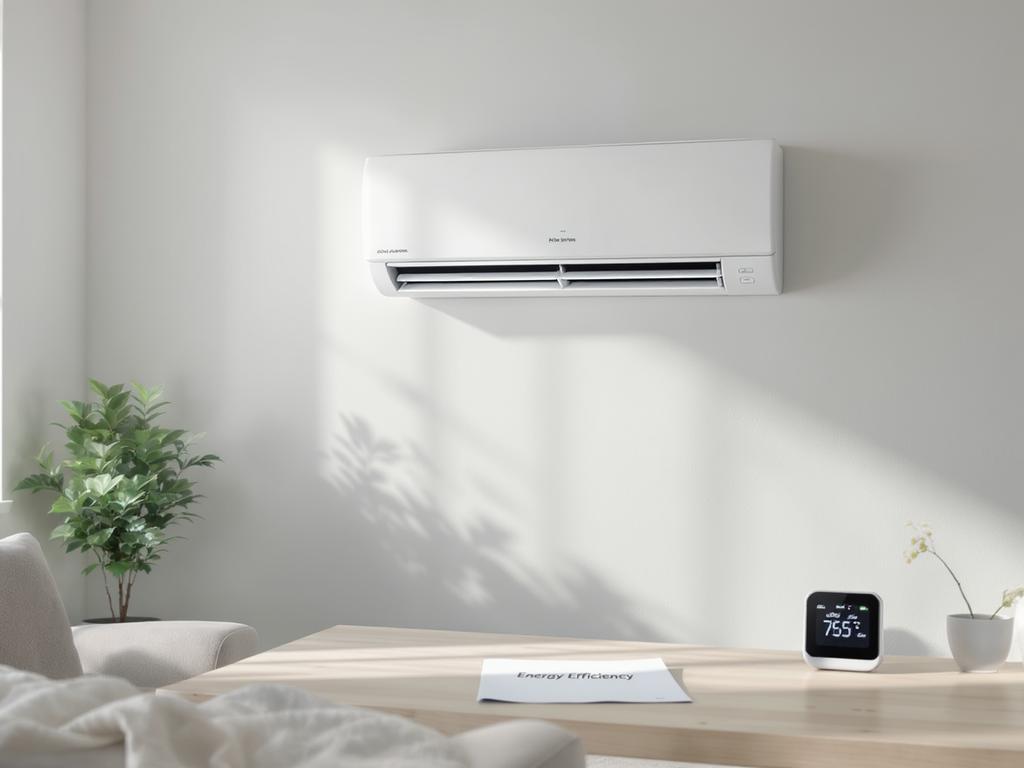
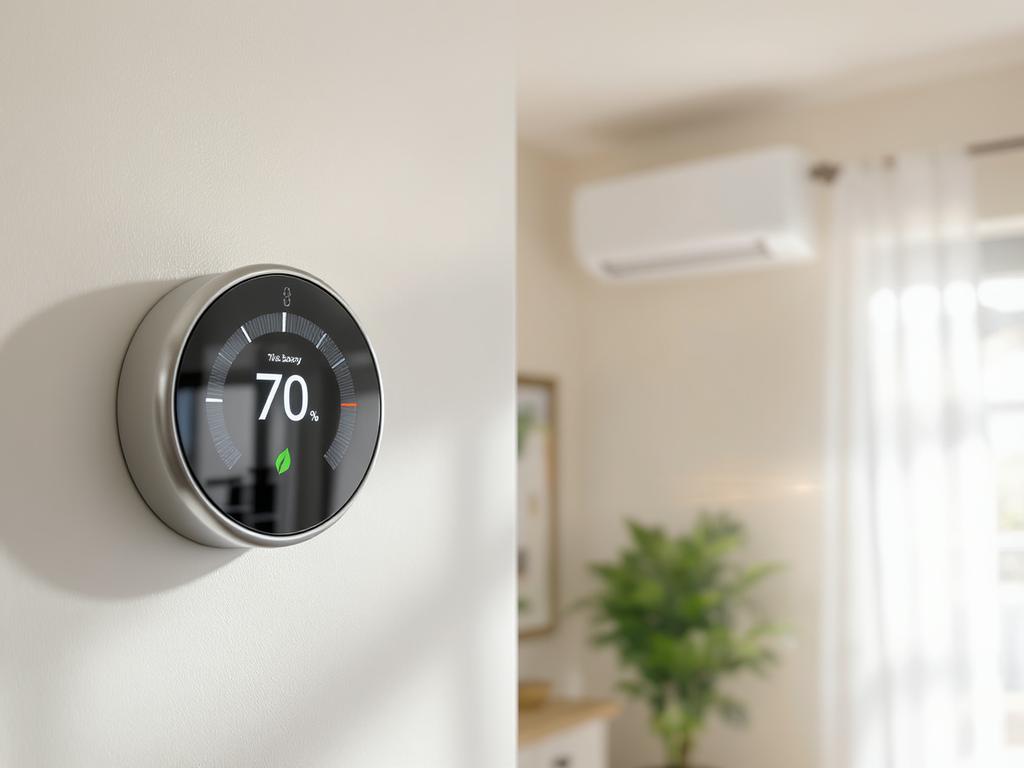
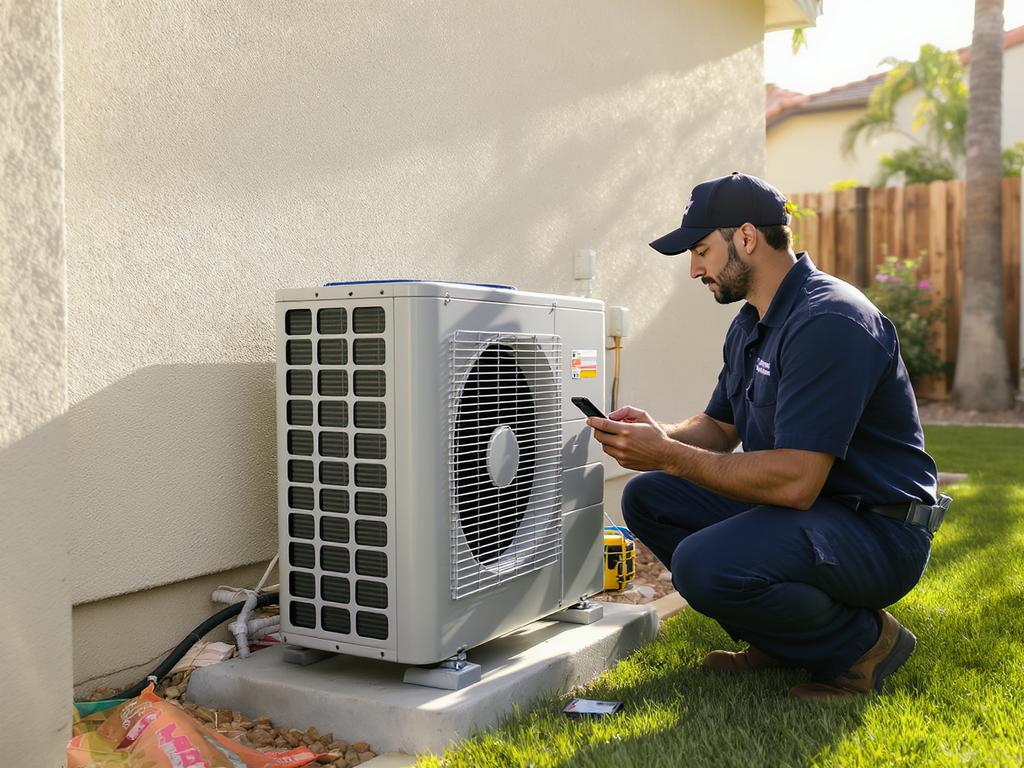
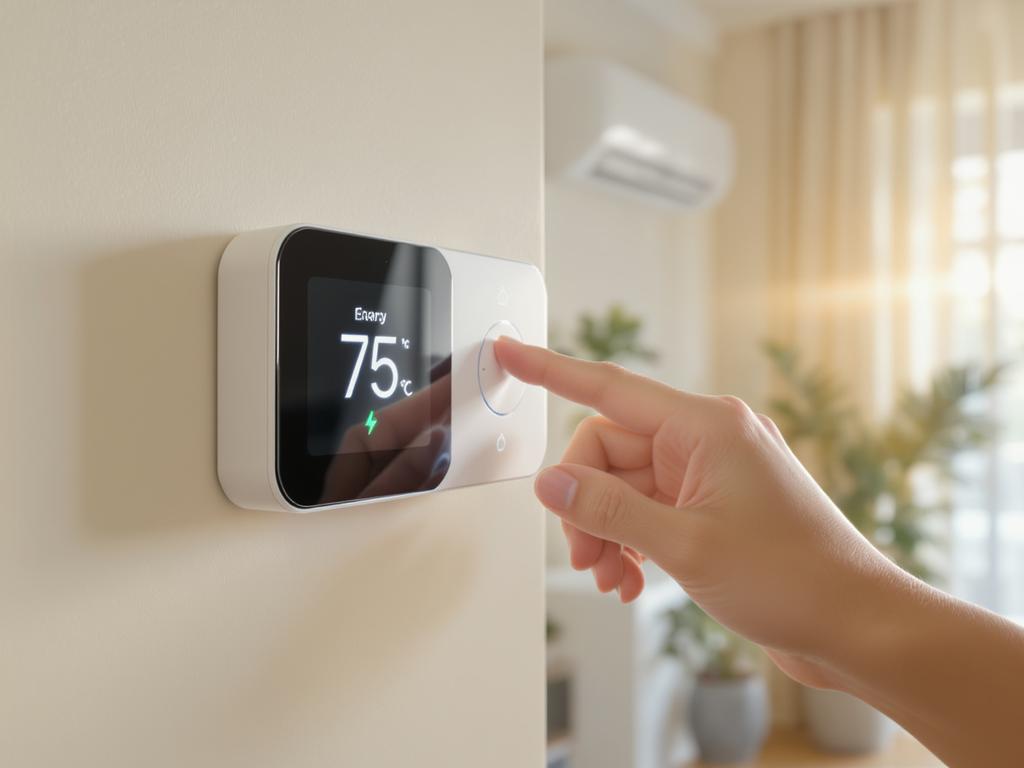
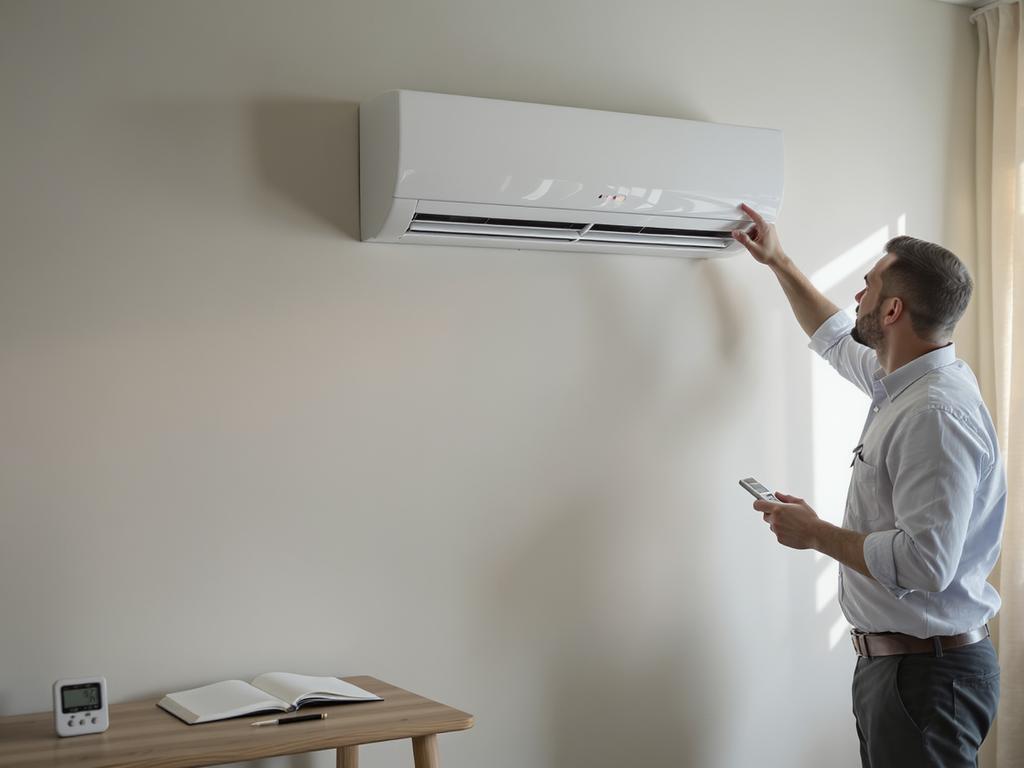
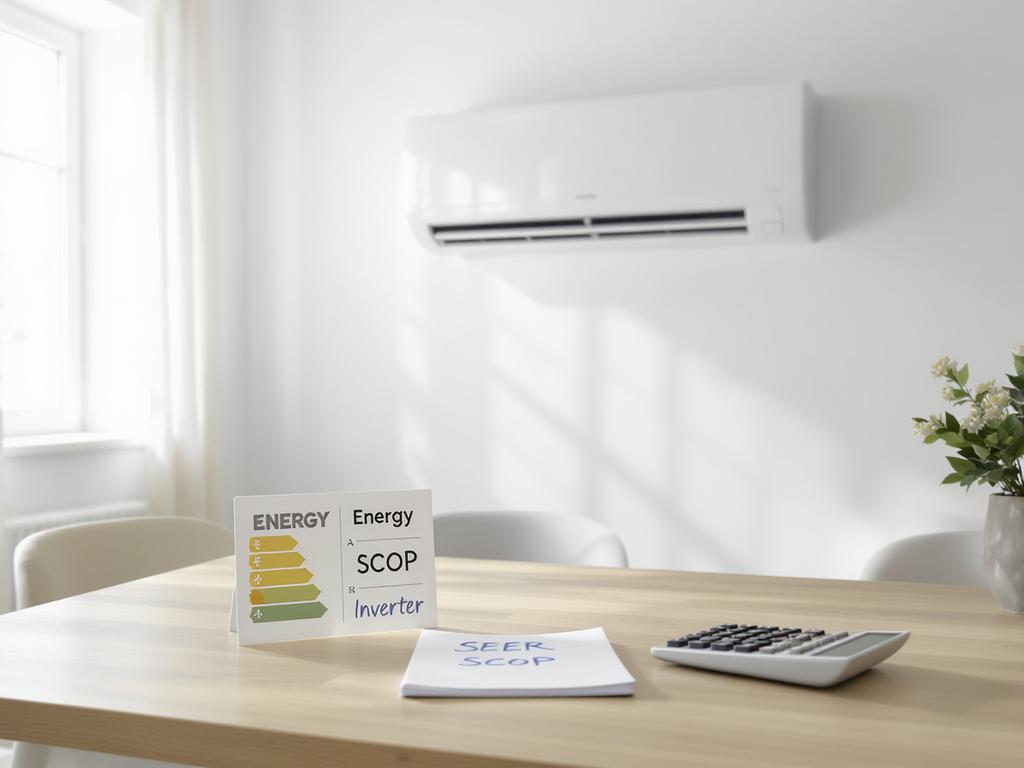
Energy efficiency in HVAC & air conditioning is not only about buying a “high-efficiency” unit—it’s about how your whole heating and cooling system is designed, operated, and maintained. These guides focus on practical actions that lower energy consumption, reduce utility bills, and keep indoor comfort stable across seasons. Start with the building basics. Even the best HVAC equipment wastes energy in a leaky home or office. Improve insulation in attics and walls, seal gaps around windows and doors, and reduce uncontrolled air leakage. Proper air sealing often delivers immediate results: less heat loss in winter, less heat gain in summer, and shorter run times for both heating and cooling. Next, evaluate your HVAC equipment and sizing. Oversized systems cycle on and off too frequently, which can increase wear and reduce efficiency; undersized systems may run constantly and still struggle to reach setpoints. A professional load calculation helps select the right capacity. When replacing equipment, compare efficiency ratings such as SEER/EER for air conditioners and COP/HSPF for heat pumps. In many climates, modern heat pumps can provide highly efficient heating and cooling from one system. Controls and settings matter as much as hardware. Use programmable or smart thermostats to reduce conditioning when spaces are unoccupied, but avoid extreme setbacks that force long recovery periods. Set realistic targets (for example, slightly higher cooling setpoints in summer and slightly lower heating setpoints in winter). Zoning can also reduce waste by conditioning only the areas you use. Airflow and ductwork are frequent hidden losses. Dirty filters, blocked returns, and imbalanced airflow make fans work harder and reduce heat exchange efficiency. Replace filters on schedule and keep vents unobstructed. If you have ducts, inspect for leaks and poor insulation—duct leakage can dump conditioned air into attics or crawlspaces, dramatically increasing costs. Ventilation and indoor air quality should be optimized, not ignored. Efficient ventilation strategies—such as energy recovery ventilators (ERV/HRV) where appropriate—help maintain fresh air while minimizing heating and cooling losses. Proper humidity control also improves comfort, allowing you to run the system less aggressively. Finally, maintenance is the simplest efficiency tool. Clean coils, check refrigerant charge, verify thermostat calibration, and keep outdoor units clear of debris. Regular tune-ups help your HVAC & air conditioning systems operate closer to their designed performance, extending equipment life while supporting long-term energy efficiency (энергоэффективность систем отопления и кондиционирования).
This was a solid, practical HVAC rundown—especially the parts about proper sizing, duct sealing, and not ignoring the house envelope. I liked that it didn’t just push new equipment and actually emphasized maintenance and airflow/refrigerant checks. A couple quick rules-of-thumb or example thermostat setpoints would make it even easier to apply, but overall it’s a helpful guide.
This guide does a solid job explaining that efficiency isn’t just about buying a newer unit—it’s sizing, controls, and fixing the house first. The sections on duct leaks and basic maintenance (filters/coils/refrigerant charge) were especially practical and easy to follow. I would’ve liked a quick checklist or rough “biggest impact” order at the end, but overall it’s a useful, no-nonsense overview.