-
New York, NY
 HI 58° LO 56°
 HI 58° LO 56°
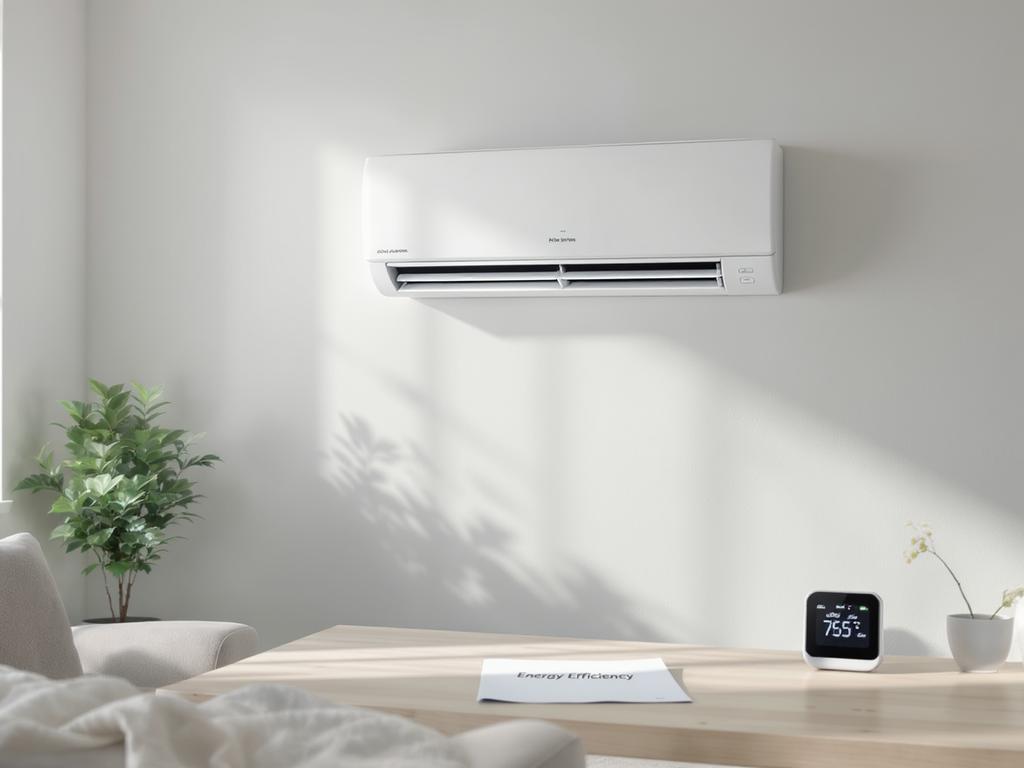
Energy efficiency in HVAC & Air Conditioning is not only about buying an expensive unit—it is mostly about how the whole system is designed, used, and maintained. In real homes and offices, the biggest energy losses usually come from simple issues: incorrect thermostat habits, dirty filters, leaky ducts, or a system that is oversized for the space. The good news is that many improvements are affordable and measurable.
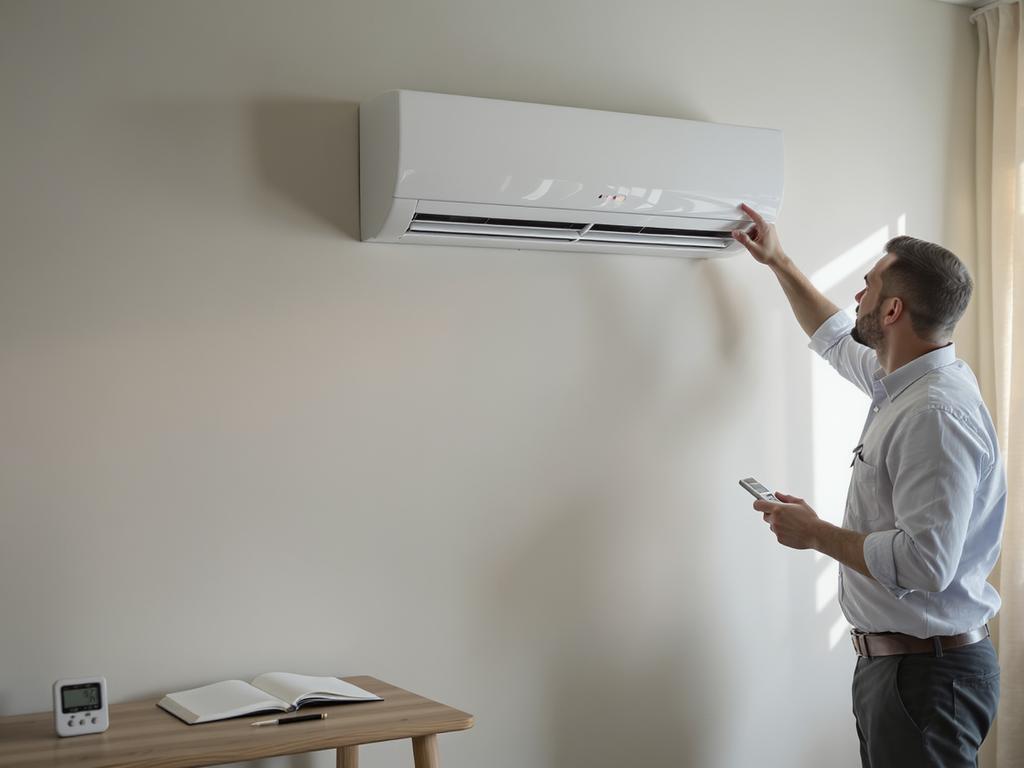
Thermostat settings have a direct impact on bills. A common real-life approach in apartments is to keep heating slightly lower at night and when nobody is home, then return to a comfortable level before waking up. For cooling, avoid setting the temperature extremely low “to cool faster”—it does not speed up cooling, it only forces the system to run longer. A programmable or smart thermostat helps keep these habits consistent.
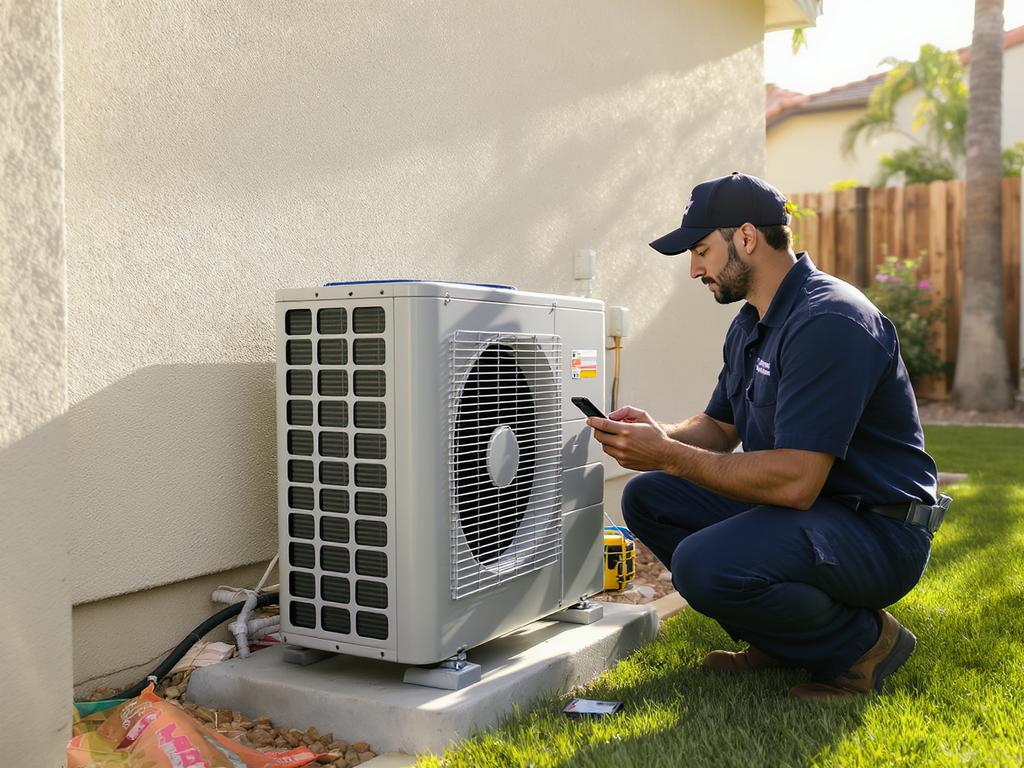
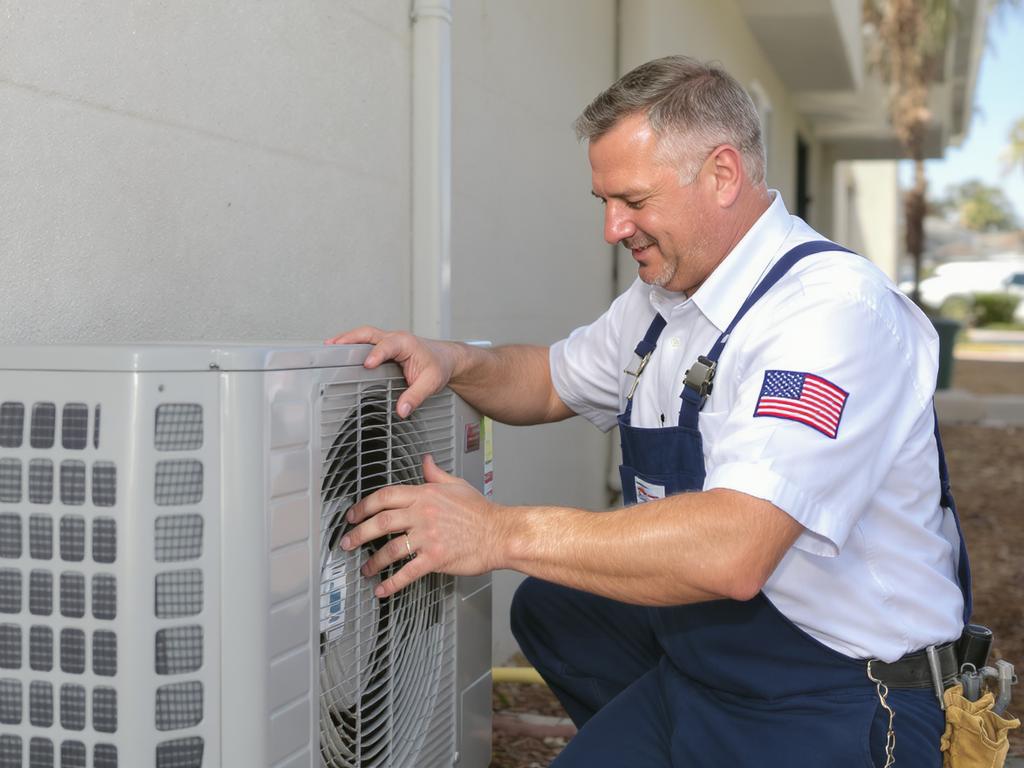
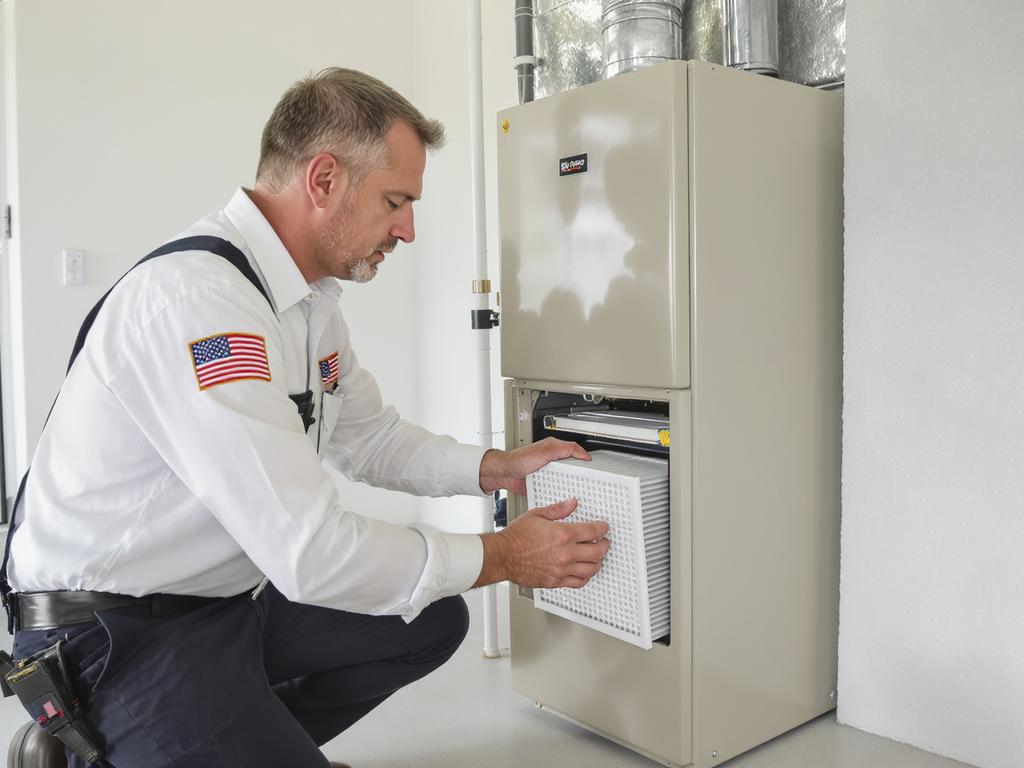
Many service technicians report that a large share of “weak cooling” calls are solved by filter replacement and coil cleaning—small actions with real results.
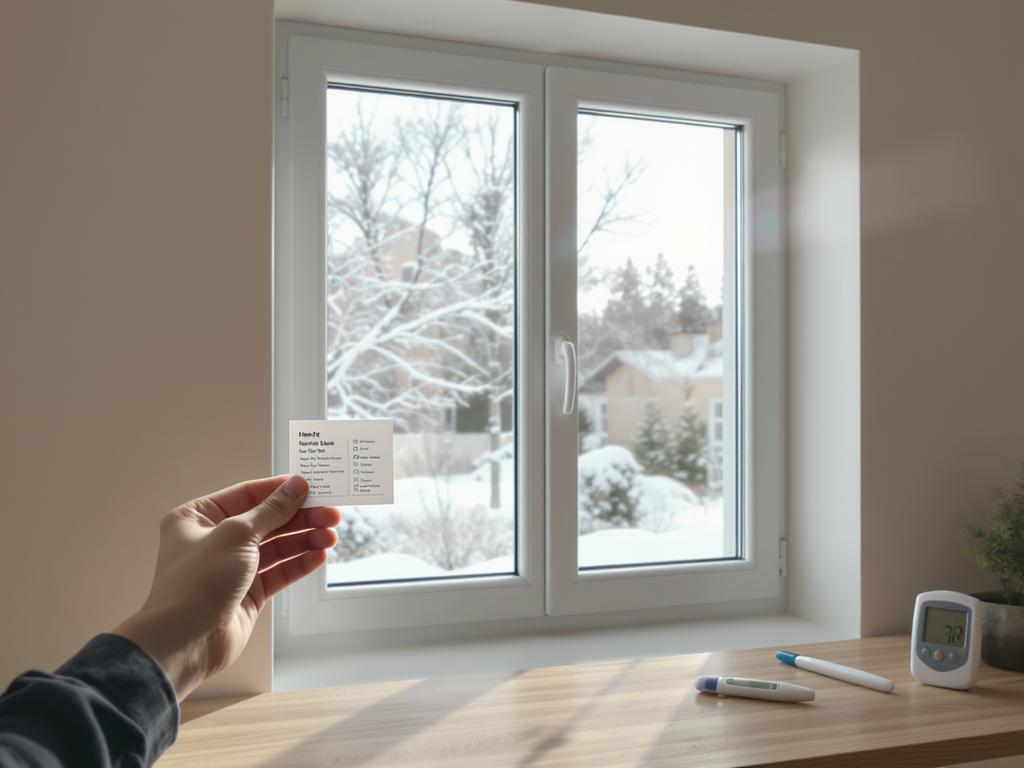
Even the best equipment struggles if the building leaks air. Sealing gaps around windows and doors, improving attic insulation, and using curtains or blinds during peak sun can reduce heating and cooling demand. In practice, homeowners often notice the difference immediately: fewer drafts in winter and less “hot spots” near sunny windows in summer.
If you have ducted heating or central air, duct leaks can waste a surprising amount of conditioned air. Sealing accessible joints and making sure supply and return vents are not blocked by furniture improves both comfort and efficiency. Balanced airflow also reduces system cycling, which is a common energy-waster.
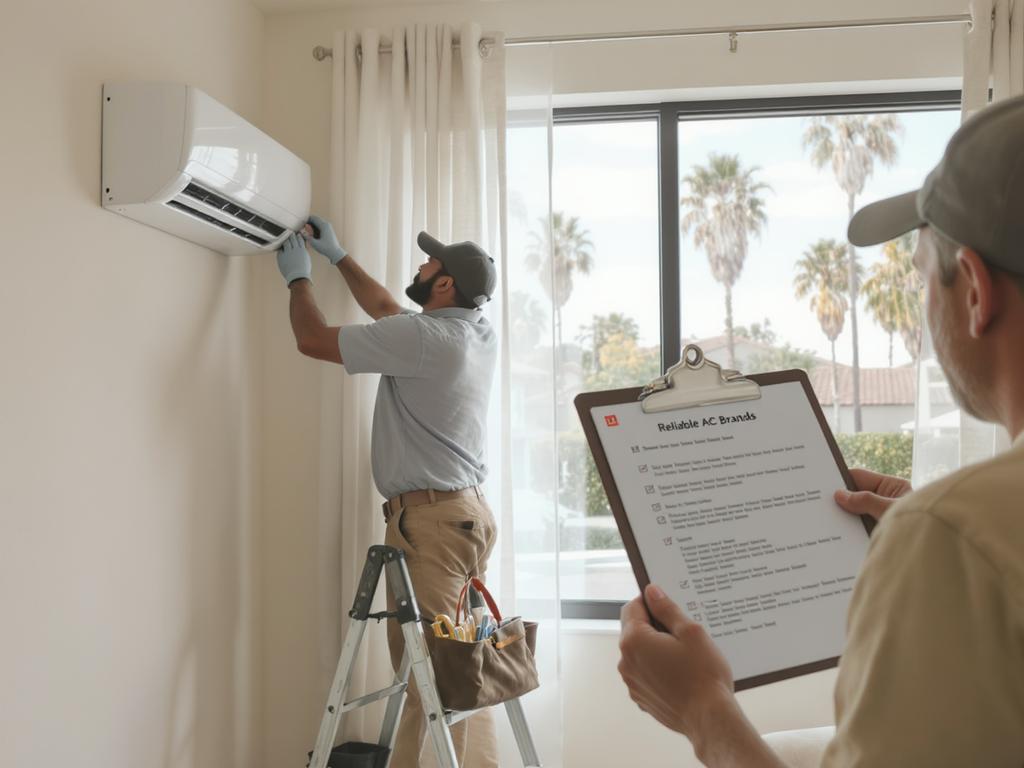
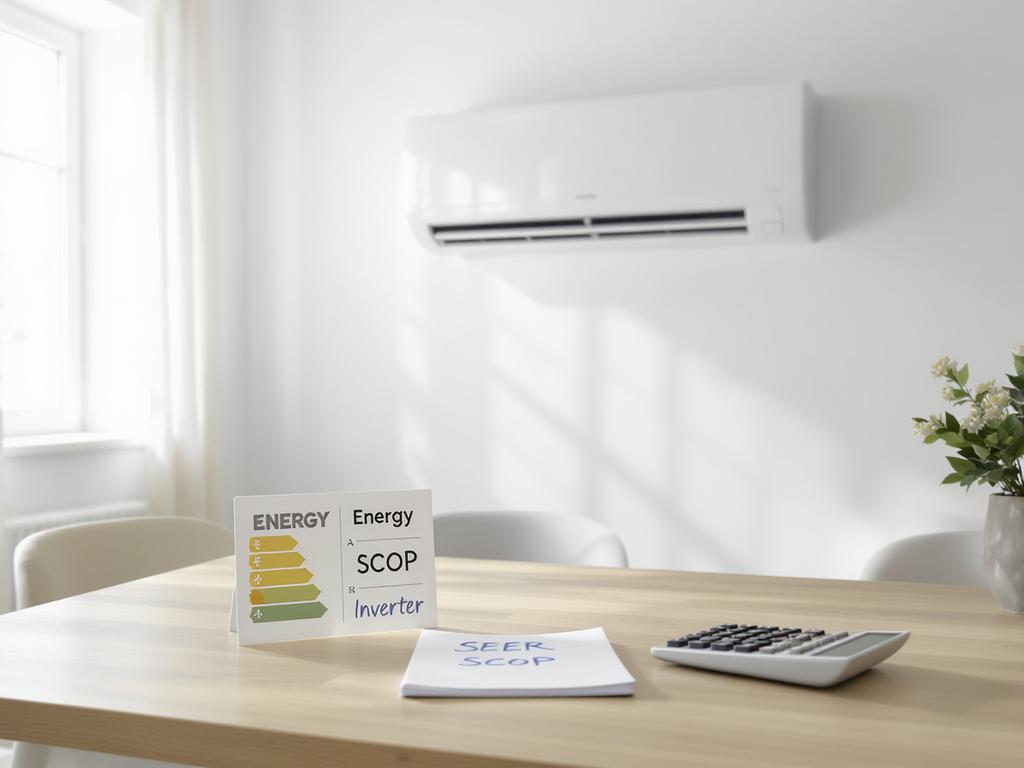
When replacement time comes, compare equipment using standardized indicators such as SEER/SEER2 for air conditioners and COP/HSPF for heat pumps. In many climates, a modern heat pump can be an efficient option for both heating and cooling. However, the “best” system depends on your local weather, insulation level, electricity/gas prices, and how the building is used.
Result: A well-maintained, properly sized HVAC system paired with a tighter building envelope typically delivers the biggest efficiency gains—lower energy use, fewer comfort complaints, and longer equipment life.
This was a solid, practical HVAC rundown—especially the parts about proper sizing, duct sealing, and not ignoring the house envelope. I liked that it didn’t just push new equipment and actually emphasized maintenance and airflow/refrigerant checks. A couple quick rules-of-thumb or example thermostat setpoints would make it even easier to apply, but overall it’s a helpful guide.
This guide does a solid job explaining that efficiency isn’t just about buying a newer unit—it’s sizing, controls, and fixing the house first. The sections on duct leaks and basic maintenance (filters/coils/refrigerant charge) were especially practical and easy to follow. I would’ve liked a quick checklist or rough “biggest impact” order at the end, but overall it’s a useful, no-nonsense overview.