
-
New York, NY
 HI 58° LO 56°
 HI 58° LO 56°
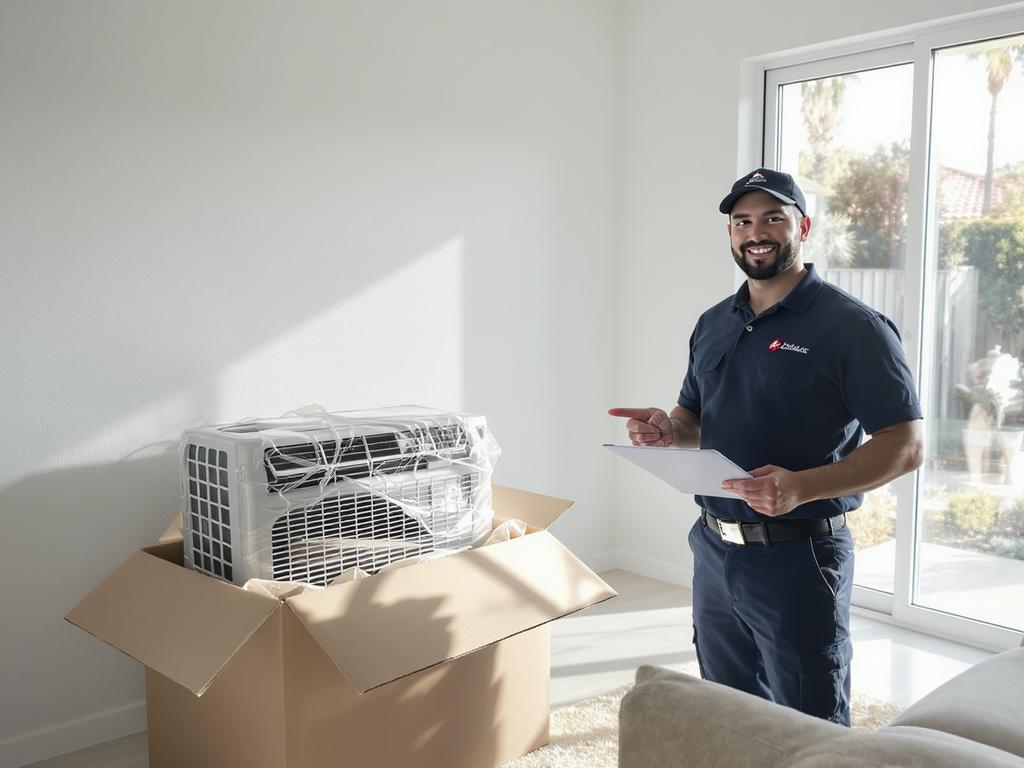
In Glendale, a “reliable” air conditioner is not only a brand name—it’s the right match between your home, the local heat, and a careful installation. Many comfort problems people experience (uneven rooms, high bills, short cycling, noisy outdoor units) come from incorrect sizing or poor setup rather than from the logo on the cabinet. This guide explains how homeowners and landlords in Glendale can choose and install the most reliable AC brands in a practical, real-life way.
Across Glendale installations, reliability usually comes down to three factors: available parts (fast repairs), solid warranty support (when registered properly), and experienced local installers (a brand is only as good as the contractor who sets it up). Well-known, widely supported manufacturers typically make ownership easier because parts and service knowledge are common.
Instead of chasing a single “best brand,” look for a model line that is proven, common in the area, and backed by a contractor who will stand behind the install. A reputable installer can also recommend a configuration that avoids oversizing—one of the biggest causes of breakdowns and humidity issues.
Proper sizing (Manual J load calculation) should be step one. In Glendale, two homes with the same square footage can need very different capacity depending on insulation, windows, shade, and ceiling height. Avoid rules of thumb like “one ton per X square feet.”
Even a premium unit can fail early if installation shortcuts are taken. Ask your contractor about:
Many Glendale properties have a mix of older construction and renovations. It’s common to find undersized returns, aging ducts, or sun-exposed west-facing rooms that overheat in the afternoon. A reliable solution may include a zoned ductless head for a hot bedroom, or duct improvements paired with a right-sized condenser. Also, confirm whether your project requires permits and ensure the contractor handles inspections—this protects you when selling or renting the property.
Bottom line: In Glendale, the “most reliable” air conditioner is the one that is correctly sized, properly installed, easy to service locally, and supported by clear warranty and documentation. Choose a trusted HVAC contractor first, then select a proven brand and model line that fits your home’s needs—this is the combination that delivers comfort for years.