
-
New York, NY
 HI 58° LO 56°
 HI 58° LO 56°
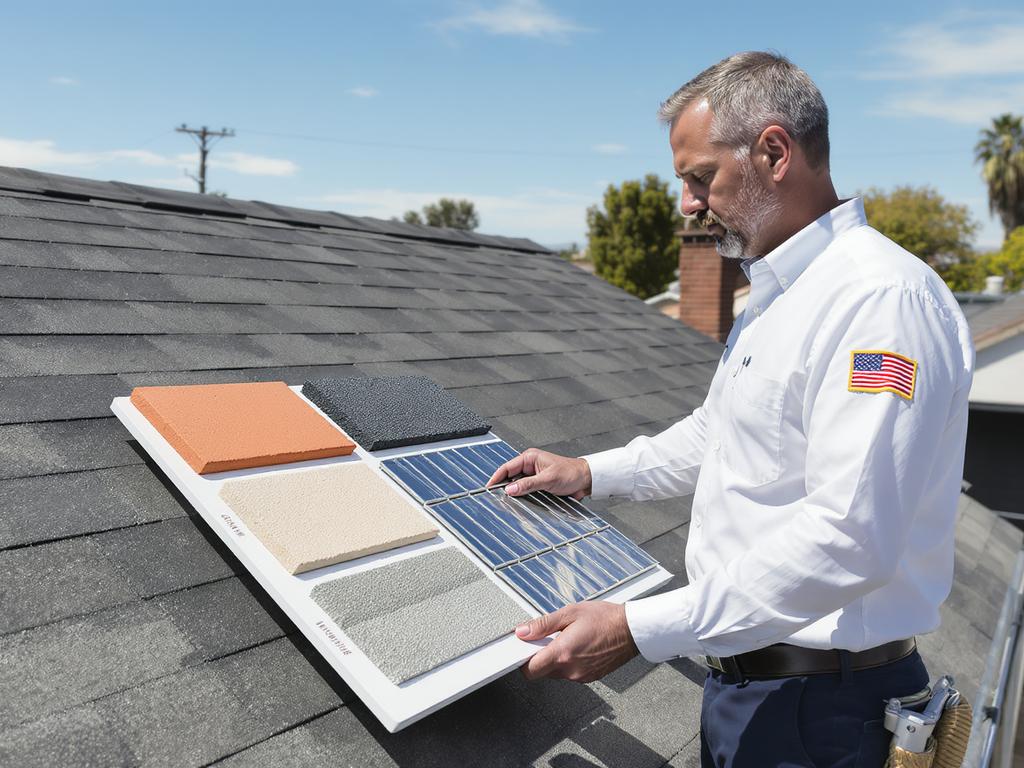
Choosing the right roof starts with understanding your climate. Temperature swings, UV exposure, wind, salt air, snow load, and seasonal rain all affect how long a roofing system will last and how well it will protect your home. The best results come from pairing the roof covering with a reliable waterproofing layer, correct ventilation, and details such as flashing and drip edges. Hot and sunny climates—like Los Angeles—demand high UV resistance and energy efficiency. “Cool roof” options (light-colored tile, reflective coated metal, or single-ply membranes such as TPO/PVC on low-slope roofs) help reduce heat gain and can lower cooling costs. Because Southern California can see intense sun and occasional heavy rains, prioritize durable underlayment, properly sealed penetrations, and quality valley and chimney flashing. In coastal areas, consider corrosion-resistant metals and fasteners. In rainy or humid regions, waterproofing and mold prevention become critical. Look for materials with proven water-shedding performance and ensure continuous underlayment, ice-and-water style membranes in vulnerable zones, and ample attic ventilation to prevent condensation. Cold and snowy climates require roofs that handle freeze–thaw cycles and snow loads. Ice dams are a major concern, so reinforced membranes at eaves, correct insulation, and ventilation are essential. For high-wind zones, impact-rated coverings, strong fastening patterns, and wind-tested assemblies help prevent uplift. No matter the region, always choose systems rated for local codes, verify fire classification, and rely on professional installation—details matter as much as the material.