-
New York, NY
 HI 58° LO 56°
 HI 58° LO 56°
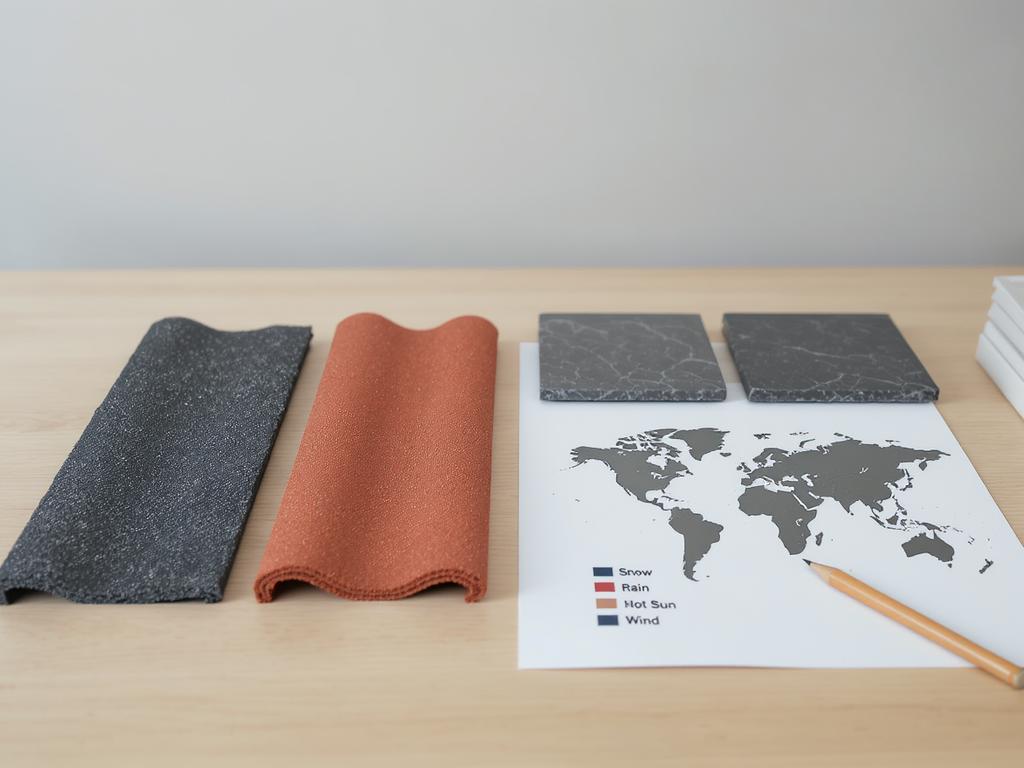
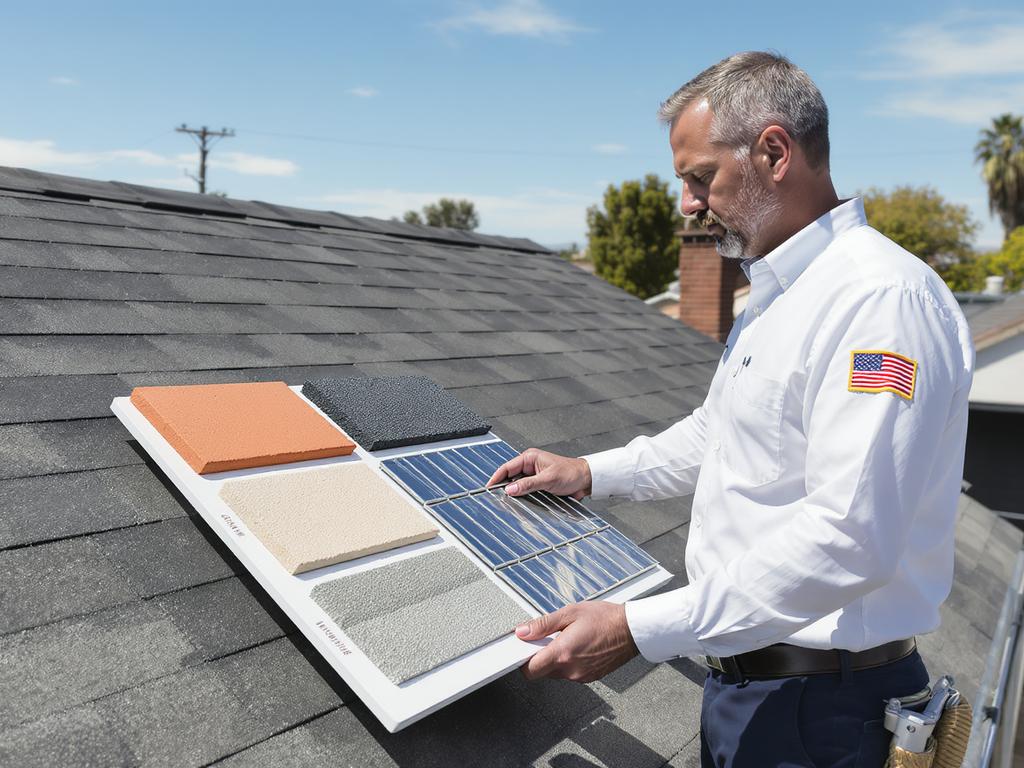
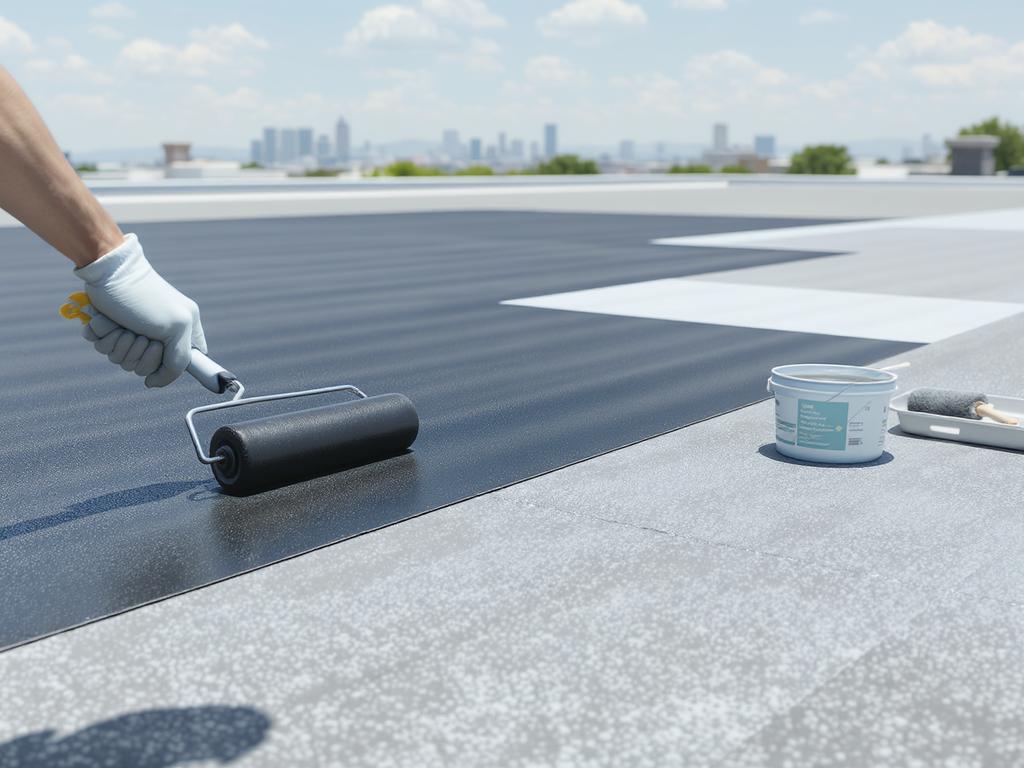
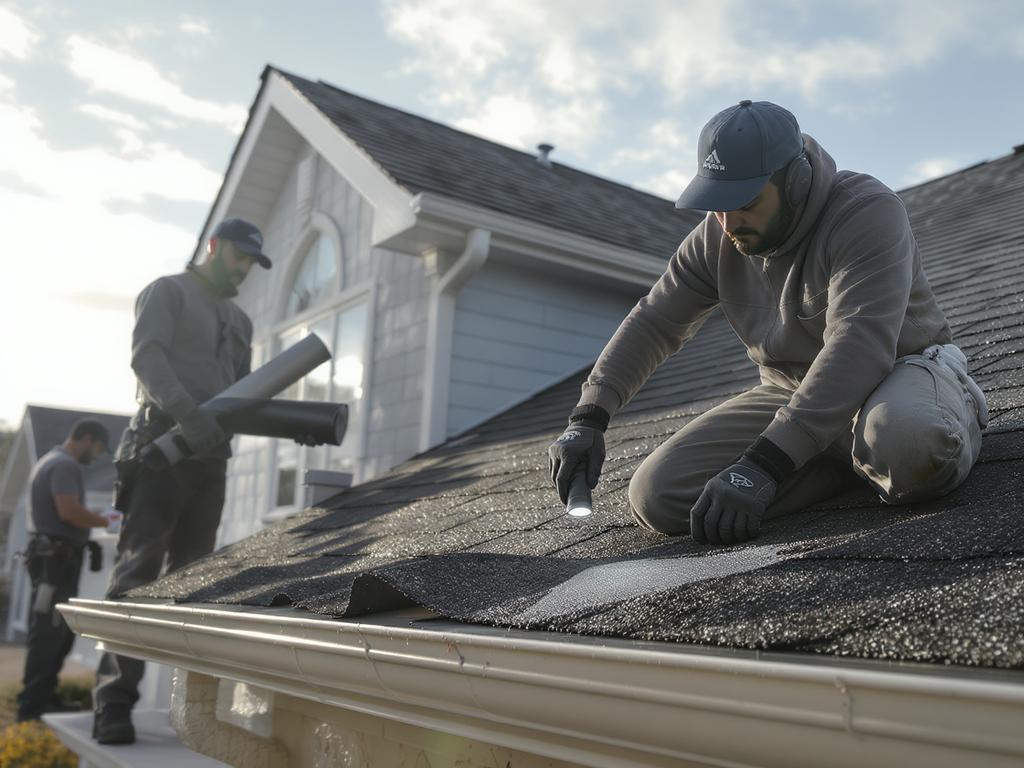
Selecting the right roof is not only about style—climate determines how long your system will last and how well it protects the building. Start by assessing your region’s main stress factors: temperature swings, UV exposure, snow load, wind uplift, heavy rain, humidity, and salt air. A reliable choice combines the top covering with the correct underlayment, ventilation, flashing, and waterproofing details. Cold and snowy climates demand materials that resist freeze–thaw cycles and ice damming. Metal roofing performs well because snow slides off easily, while quality asphalt shingles rated for cold weather can also work if paired with an ice-and-water shield at eaves and valleys. In these regions, insulation and ventilation are critical to keep roof decking dry and prevent meltwater refreezing. For hot and sunny areas, prioritize UV stability and heat reflection. Light-colored metal, clay or concrete tiles, and “cool roof” shingles reduce heat gain. Waterproofing here focuses on preventing thermal expansion damage: use compatible sealants, high-temperature underlayments, and proper movement joints. In humid or tropical zones, choose systems that resist mold, algae, and corrosion. Metal with protective coatings, tiles, and synthetic underlayments are strong options. Ensure excellent airflow and consider algae-resistant shingles where applicable. Coastal regions add salt and strong winds. Look for high wind ratings, corrosion-resistant fasteners, and robust edge details. Sealed roof decks, peel-and-stick membranes, and carefully installed flashing help prevent wind-driven rain intrusion. For rainy climates, the key is water shedding and redundancy. Steeper slopes, durable underlayments, properly sized gutters, and well-designed valleys reduce leak risk. No matter the zone, investing in professional installation and climate-appropriate waterproofing layers is the best way to extend roof life and protect your home.
Really helpful overview that actually connects the material choice to what the weather does to your roof long term. I appreciated the practical details like ice-and-water shield placement for snowy areas and the note about thermal expansion in hot climates. Would’ve loved a quick cost comparison between metal, tile, and shingles, but overall it’s a solid guide.
This was a really helpful breakdown of how climate should drive roofing choices, not just the look. I liked that it didn’t stop at the top material and actually talked about underlayment, ventilation, and details like flashing and edge work. The sections on coastal wind-driven rain and cold-climate ice dam prevention were especially clear. Only thing I wished for was a quick chart or cheat sheet at the end to compare options side by side.