-
New York, NY
 HI 58° LO 56°
 HI 58° LO 56°
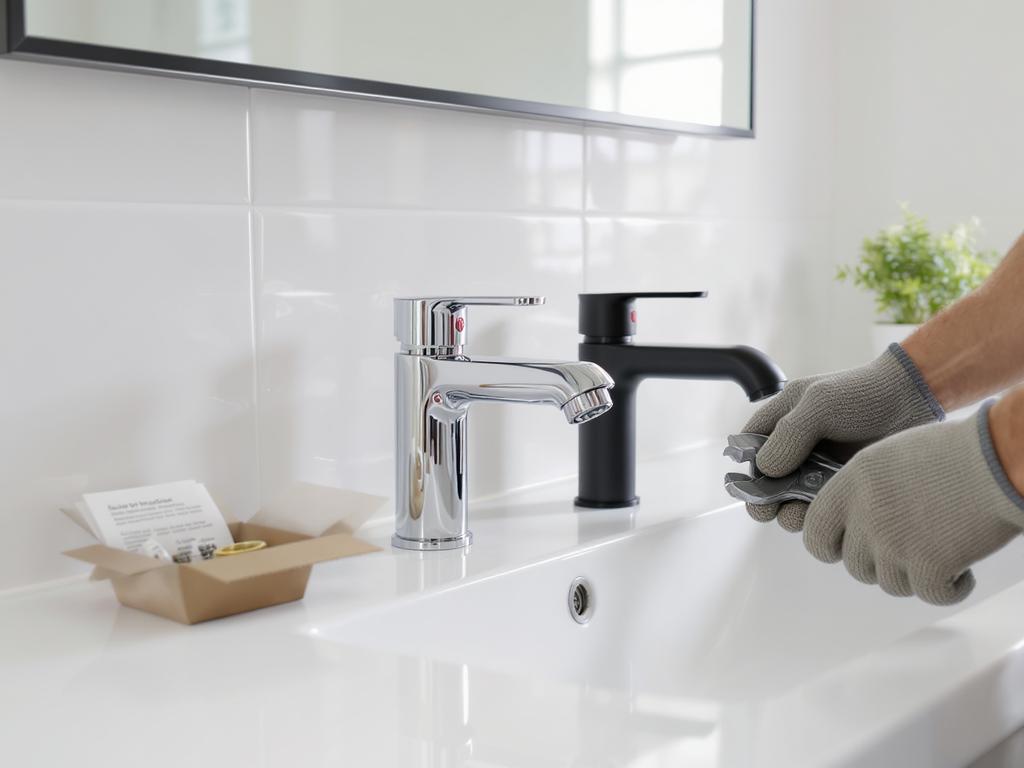
A modern faucet is more than a design detail—it affects water savings, comfort, and long-term reliability. Start by selecting the right type for your space. Single-lever faucets are the most popular for kitchens and bathrooms thanks to quick temperature control. Two-handle models offer classic styling and fine adjustment. Thermostatic mixers maintain a stable temperature (ideal for showers), while sensor/touchless faucets improve hygiene and reduce consumption. Pay attention to construction and materials. Solid brass bodies typically last longer and resist corrosion better than lightweight alloys. For the finish, chrome is durable and easy to clean; brushed finishes hide fingerprints; matte black looks modern but benefits from gentle care. Inside, a ceramic cartridge usually provides smoother operation and fewer leaks than rubber washers. Check compatibility before buying. Measure the mounting holes (single-hole or widespread), ensure the spout height and reach fit your sink, and confirm the connection size for supply lines. If your water pressure is low, choose a faucet rated for low pressure and consider an aerator that maintains a strong feel while saving water. Installation is straightforward with the right prep. Shut off the water, open the old faucet to relieve pressure, and place a towel under the connections. Remove the old unit, clean the mounting surface, then fit the new faucet with the provided gasket or a thin bead of silicone if recommended. Connect hot and cold lines, tighten gently to avoid damaging seals, and use PTFE tape only where the manufacturer specifies. Turn water back on, flush the lines, and check every joint for leaks. Recheck after 24 hours and keep the aerator clean to maintain flow.
This guide was genuinely helpful, especially the part about checking hole spacing and spout reach before you buy—wish I’d done that on my last bathroom swap. The tips on brass bodies and ceramic cartridges felt practical without being salesy. Only thing I’d add is a quick note on when to use plumber’s putty vs silicone, but overall it’s a solid walkthrough.
This guide was a lot more practical than most plumbing posts I’ve read, especially the parts about checking mounting holes and supply line sizes before you buy. The note about using PTFE tape only where the manufacturer says is something I wish I’d known on my last faucet swap. Would’ve been nice to have a quick checklist at the end, but overall it’s clear and easy to follow.