-
New York, NY
 HI 58° LO 56°
 HI 58° LO 56°

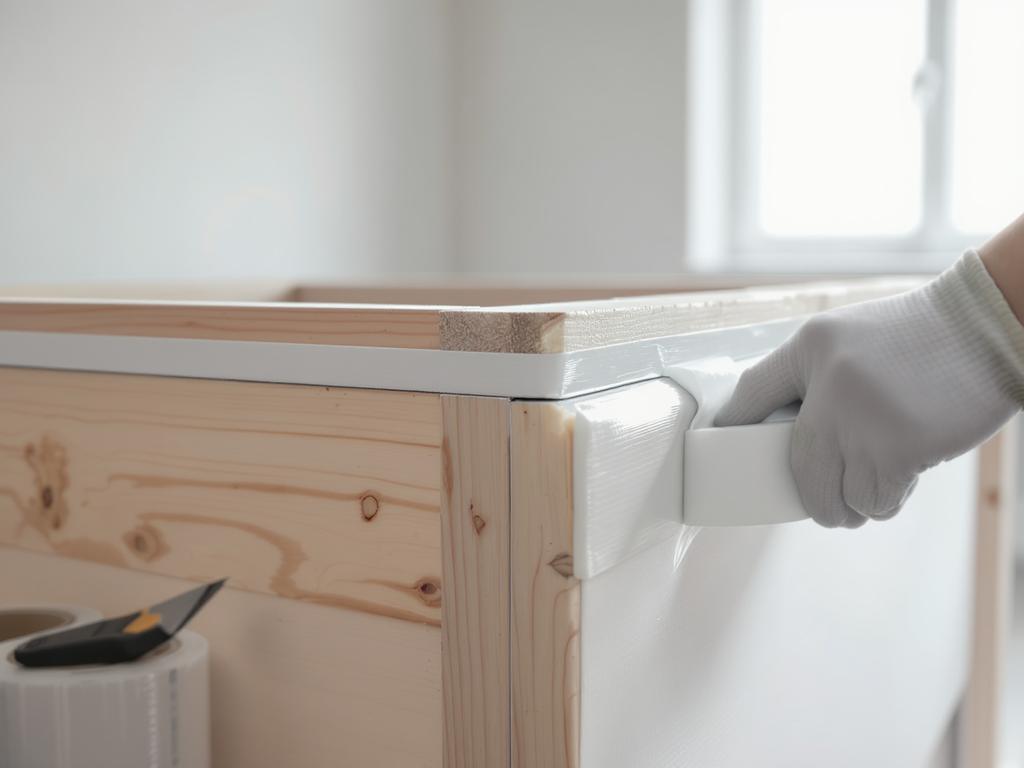
A door performs well only when the opening is prepared, the frame is fixed correctly, and the joint is sealed as a system. Start with inspection and measurement: verify the rough opening size, plumb and level, and confirm that the subfloor/sill is stable and moisture-resistant. Clean dust and loose materials—sealants and tapes fail most often because of poor surface preparation. For mounting, position the frame using shims to maintain consistent gaps and prevent twisting. Use anchors or frame screws according to the wall type (concrete, masonry, timber, or metal studs). Fixing points should distribute loads near hinges and the lock area while avoiding over-tightening that distorts the frame. Check operation repeatedly during fastening. Sealing technologies should address three layers: water, air, and thermal. From the exterior, create a weatherproof barrier with flashing, waterproof membranes, or pre-compressed sealing tape (expanding tape) that tolerates movement and rain. In the middle layer, fill the cavity with low-expansion polyurethane foam in controlled passes to reduce pressure on the frame and avoid voids. From the interior, ensure airtightness using vapor-control tapes or elastic sealants that block indoor air leakage. Key rules: keep drainage paths open, protect foam from UV and moisture, and avoid continuous hard sealant bridges that crack with movement. Pay special attention to the threshold: slope the sill pan, seal corners, and connect membranes to the wall’s water-resistive barrier. Done properly, the installation reduces drafts, prevents condensation and mold, and extends the life of both the door and surrounding finishes.
This guide was a solid refresher and I liked how it broke the sealing down into water/air/thermal layers instead of treating foam like a cure-all. The reminders about shimming, not over-tightening frame screws, and checking operation as you go were especially helpful. I do wish it had a little more detail on which tapes/membranes work best in different climates, but overall it’s practical and easy to follow.
This guide was a solid walkthrough and reminded me how much of a door’s performance comes down to prep and not the door itself. The three-layer sealing breakdown (water/air/thermal) and the notes about low-expansion foam and keeping drainage paths open were especially helpful. I would’ve liked a couple more specifics on screw/anchor spacing for different wall types, but overall it’s clear and practical.